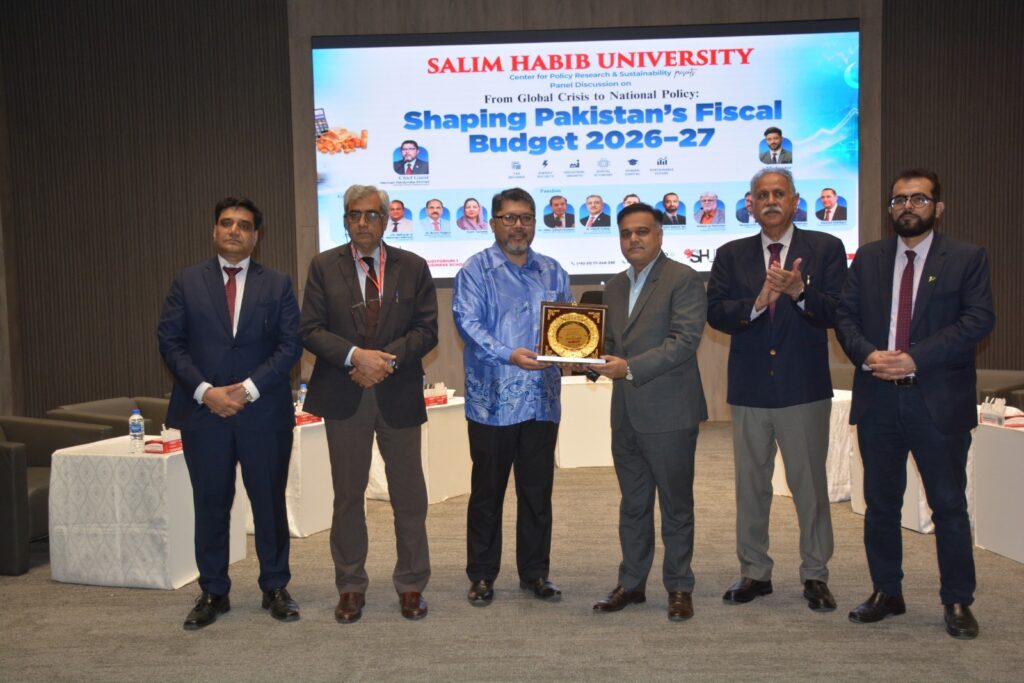
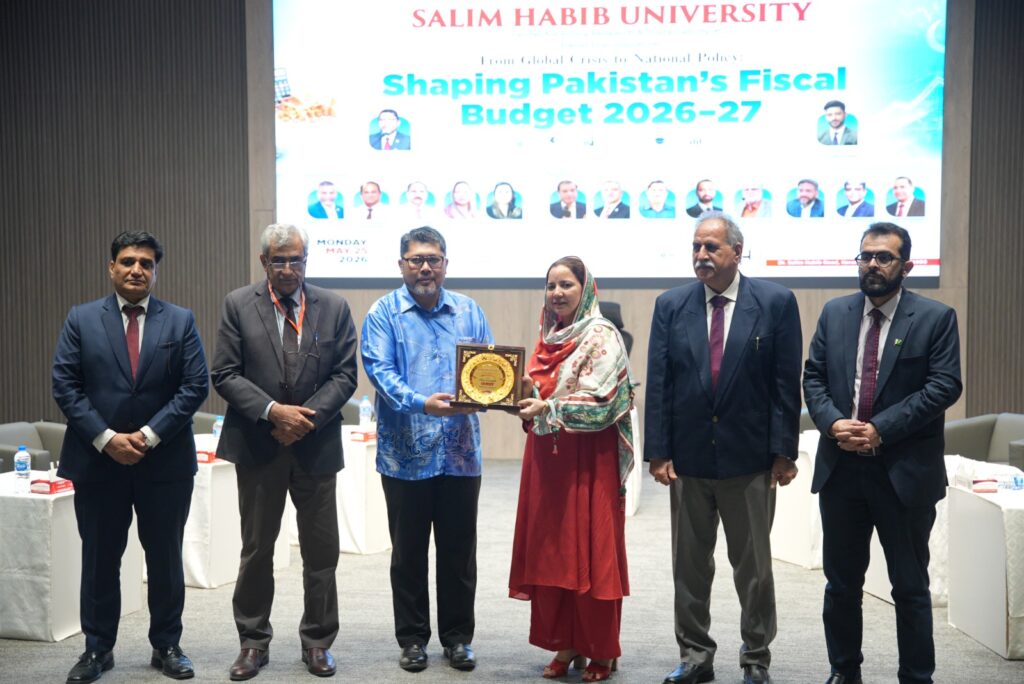
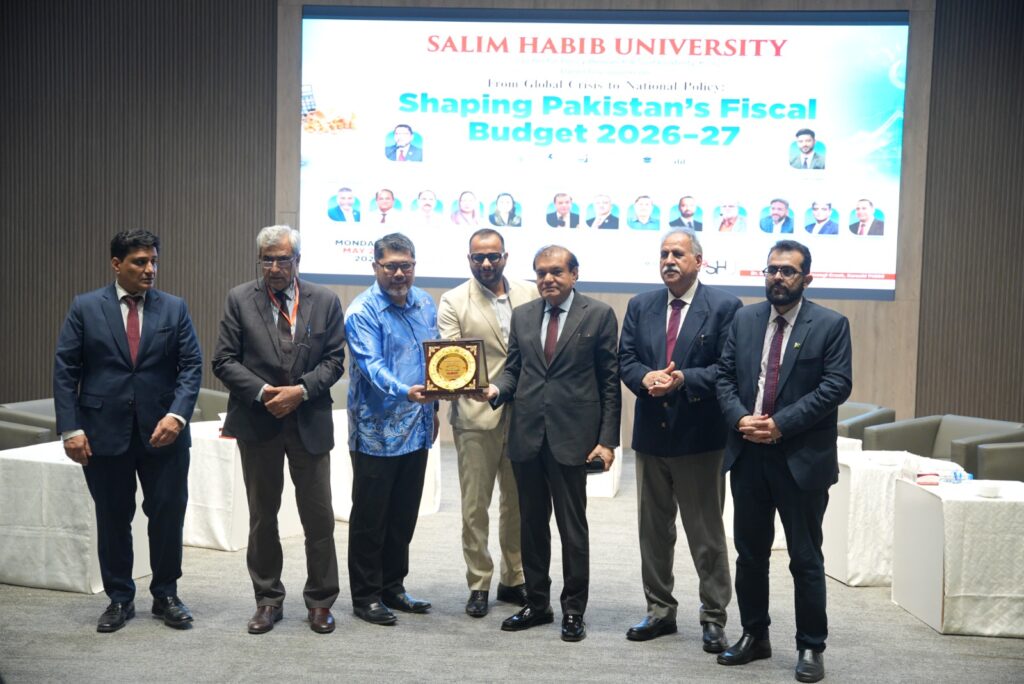
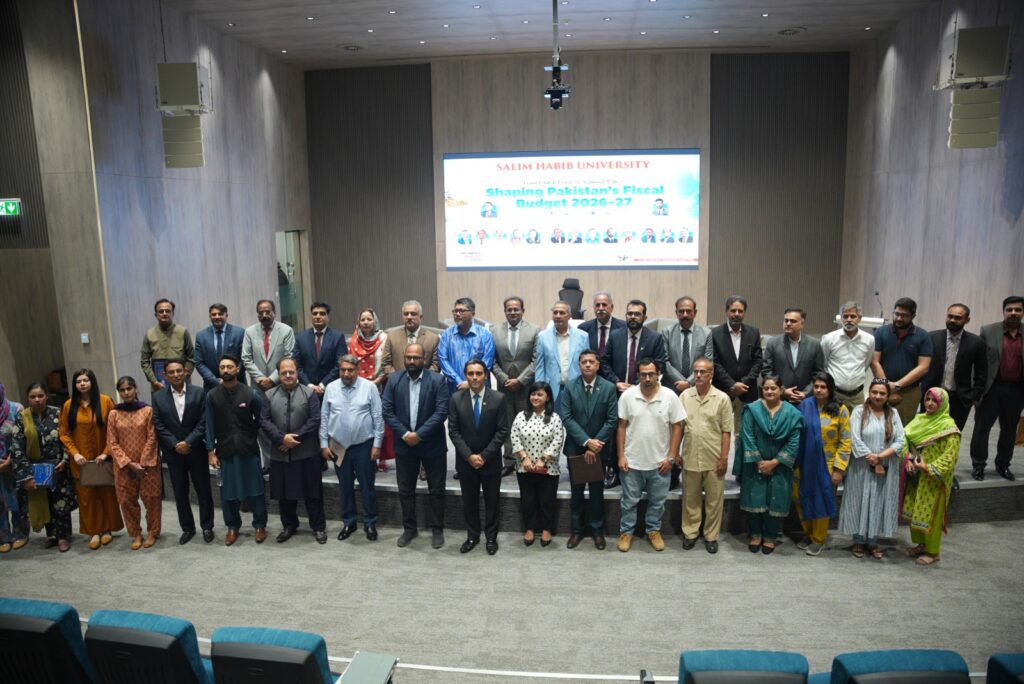
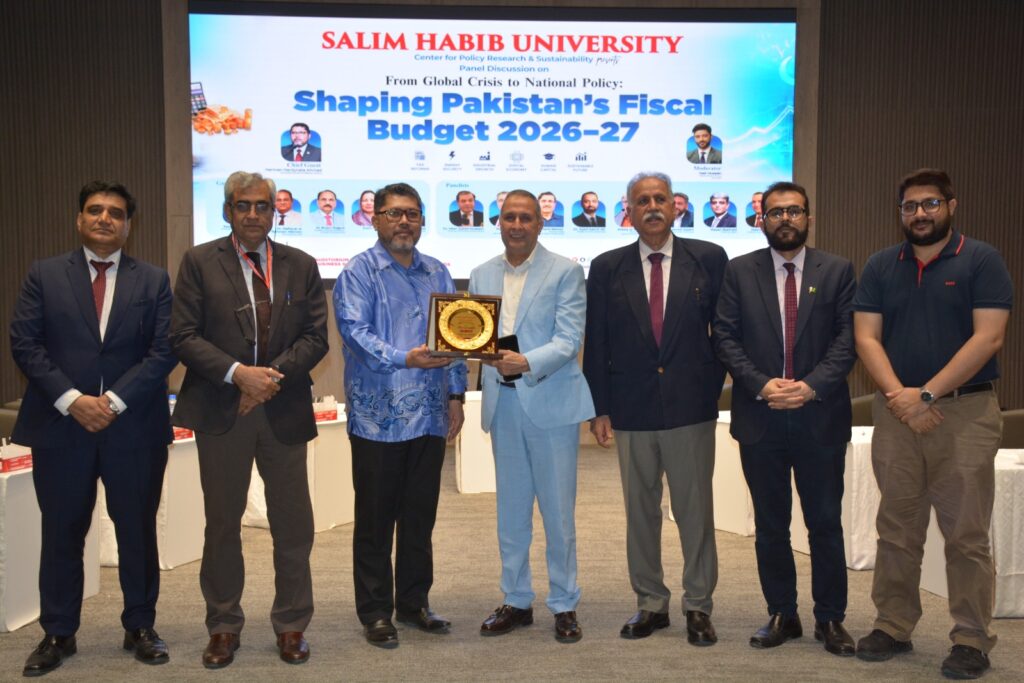
Experts Call for Structural Reforms, Export Growth and Fiscal Discipline to Stabilize Pakistan Economy
Experts Call for Structural Reforms, Export Growth and Fiscal Discipline to Stabilize Pakistan Economy
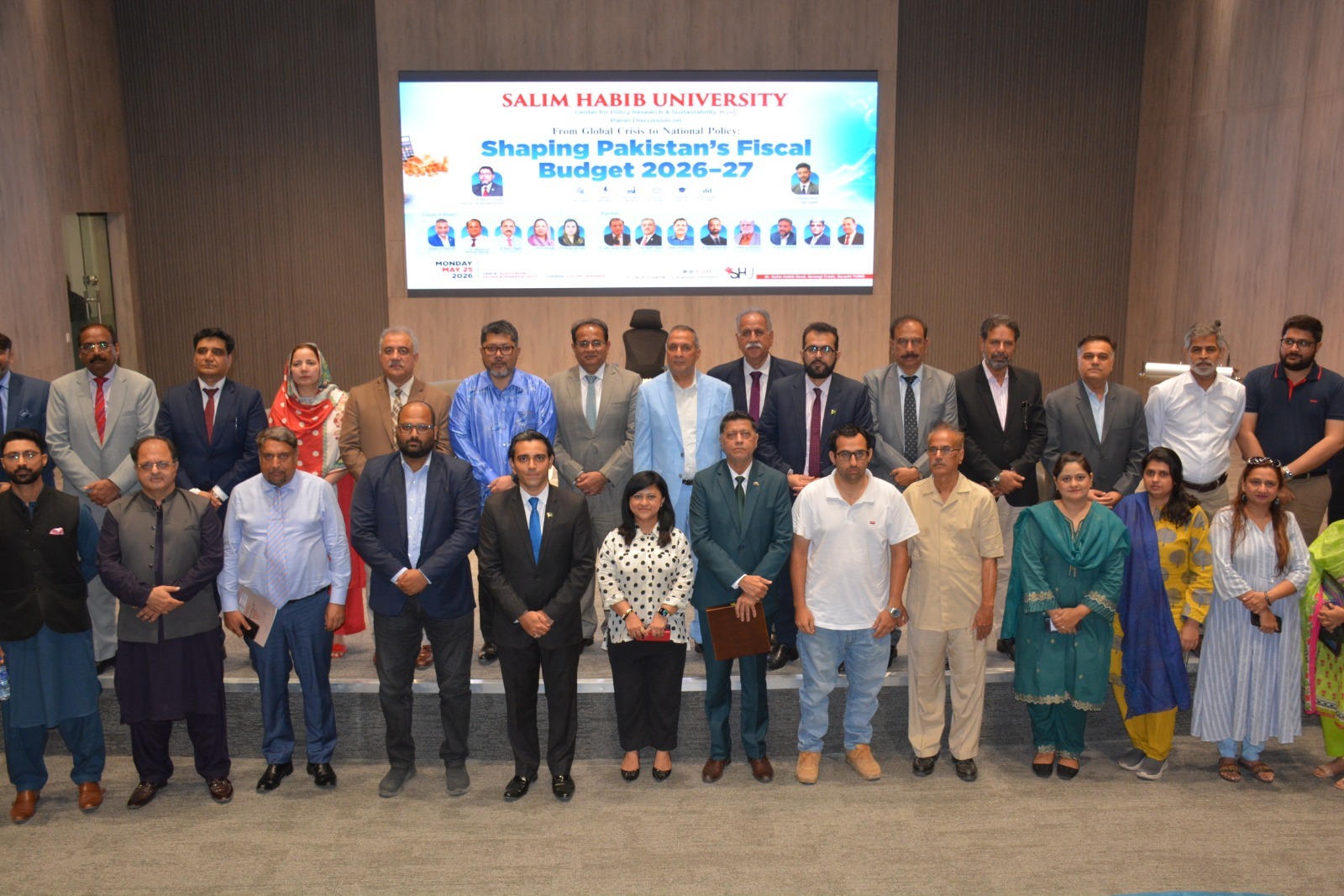
Experts warned that Pakistan faces serious employment challenges as nearly 3 million young people enter the labor market each year, while job creation remains insufficient.
Russia Reaffirms Africa Food Security Partnership at State Duma Roundtable
They said this gap is increasing pressure on the economy and limiting long-term growth potential.
Panel urges export-led growth and industrial support
The panel strongly supported an export-led growth strategy to strengthen economic stability.
It recommended lowering electricity and gas tariffs for industries to reduce production costs.
It also called for reduced import duties on raw materials and stronger support for value-added manufacturing.
Additionally, participants stressed the need to promote import substitution and improve industrial competitiveness.
Investment slowdown and economic risks highlighted
Experts warned that high energy costs, heavy taxation and policy uncertainty are discouraging investors.
As a result, capital flight is increasing and investment levels remain critically low.
Pakistan’s investment-to-GDP ratio stands at around 9 percent.
Meanwhile, FDI remains only 0.5 to 0.6 percent of GDP, reflecting weak foreign investment inflows.
Power sector losses and governance concerns
The discussion highlighted major structural issues in the power sector.
Cumulative losses have now exceeded Rs. 2 trillion.
Therefore, experts called for privatization of loss-making entities.
They also urged transparent revision of agreements with Independent Power Producers (IPPs) to reduce inefficiencies.
Calls for austerity and fiscal reforms
Participants criticised high government spending during economic hardship.
They pointed out contradictions between public austerity measures and official privileges such as free electricity, fuel, and vehicles.
Moreover, they raised concerns over rising pension liabilities, which have crossed Rs. 1.05 trillion.
Experts said pension reforms, fiscal discipline and expenditure control are urgently needed.
They also stressed that the NFC Award has not been revised for 16 years, despite constitutional requirements.
Education, research and human capital investment
The forum recommended restoring the 25 percent tax rebate for university professors and researchers.
It also emphasized investment in education, healthcare, skills development and research.
Furthermore, experts said long-term growth depends on strengthening Pakistan’s human capital base.
Untapped sectors and economic potential
Participants highlighted strong potential in SMEs, IT exports, renewable energy, tourism, fisheries, minerals and the blue economy.
In particular, they pointed to the Karachi-to-Gwadar coastline as a major opportunity for tourism and foreign investment.
Call for long-term economic transformation
Experts concluded that Pakistan has significant untapped economic potential.
They said the country can move from a loan-dependent economy to a self-reliant system through reforms, transparency and export expansion.
Finally, they called for a budget that is transparent, growth-oriented and focused on businesses, youth and ordinary citizens.