Eddie Vedder Comfortably Numb Trends After Roger Waters Release
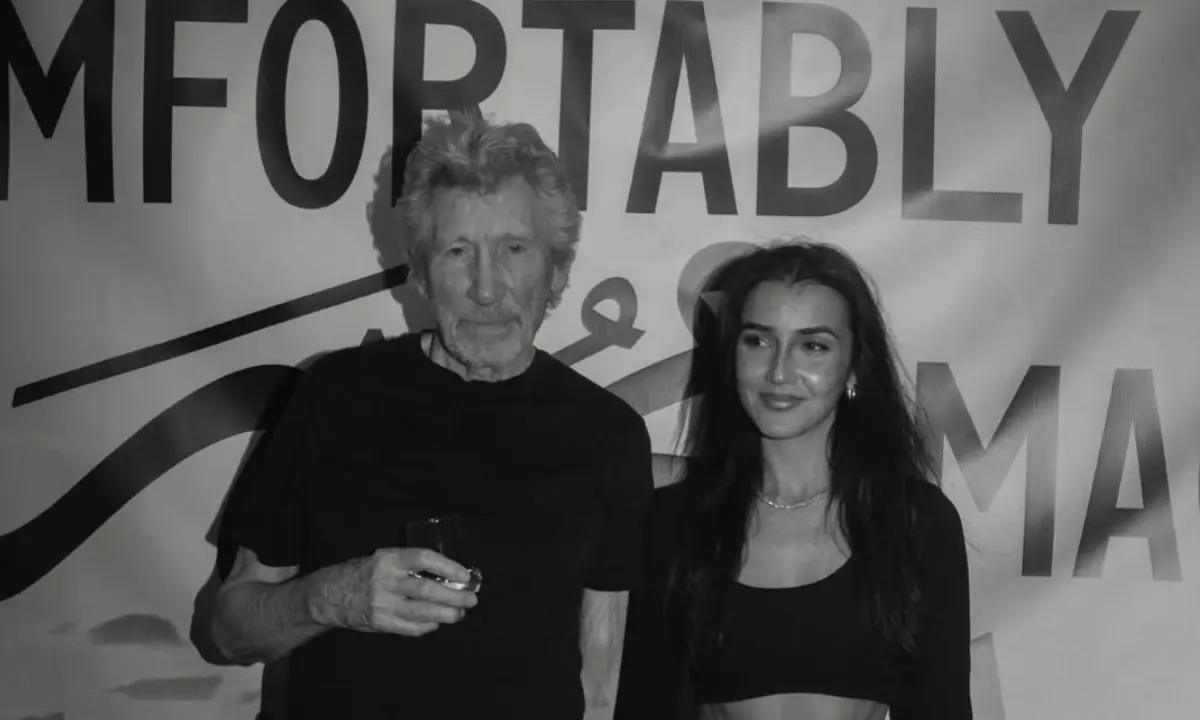
Roger Waters and Mona Miari collaborate on a new interpretation of Comfortably Numb
The phrase eddie vedder comfortably numb gained renewed attention after Roger Waters and Palestinian-American singer Mona Miari released a reimagined version of the iconic song dedicated to the people of Palestine. The project combines music with visual storytelling and presents themes of resilience, memory and hope.
Released alongside a black-and-white music video, the performance moves between studio recordings and scenes connected to life in Gaza. As a result, the reinterpretation introduced a new audience to the song while generating broader discussion around its message.
ADB Approves $700 Million Loan for Pakistan Insurance Reforms
Roger Waters Revisits Comfortably Numb
Roger Waters opens the performance by returning to lines associated with the original song while introducing new themes and reflections.
His interpretation places greater emphasis on loss, memory and human connection. Throughout the performance, the tone remains restrained and reflective rather than theatrical.
As the song develops, Waters introduces additional lyrics expressing his personal reaction to learning more about Palestinian history over time.
Mona Miari Adds Arabic Performance
Mona Miari responds with Arabic verses that describe loss, longing and hope.
Her performance introduces a second perspective that blends with the original composition while creating a distinct emotional direction.
In several moments, Miari’s lyrics speak about endurance and future possibility, presenting themes of renewal and determination.
Together, the artists repeat a central message that they will not become Comfortably Numb.
Music Video Uses Black and White Visual Style
The music video moves between monochrome studio scenes and visuals showing damaged urban landscapes and daily life.
The production highlights contrast between destruction and moments of continuity.
Additionally, the visual storytelling focuses on individuals rebuilding routines and preserving connections despite difficult circumstances.
This artistic direction frames the project around reflection and human experience rather than performance alone.
Roger Waters Addresses Historical Themes
Later in the song, Waters introduces new lyrics referencing historical events and expressing regret about not understanding related issues earlier.
The performance also includes references to ideas of rights, memory and coexistence.
Because these additions differ from the original version, the reinterpretation positions itself as both a musical and political statement.
Release Expands Waters’ Public Advocacy
The song appeared on music platforms on June 12 and was followed by the official music video release.
Roger Waters has previously spoken publicly on issues related to Palestine and remains known for political commentary alongside his music career.
The collaboration with Mona Miari extends that public engagement into a new artistic project while revisiting one of the most recognised songs connected to his career.