New Study Finds Climate Resilient Coral Reefs Surviving Ocean Warming
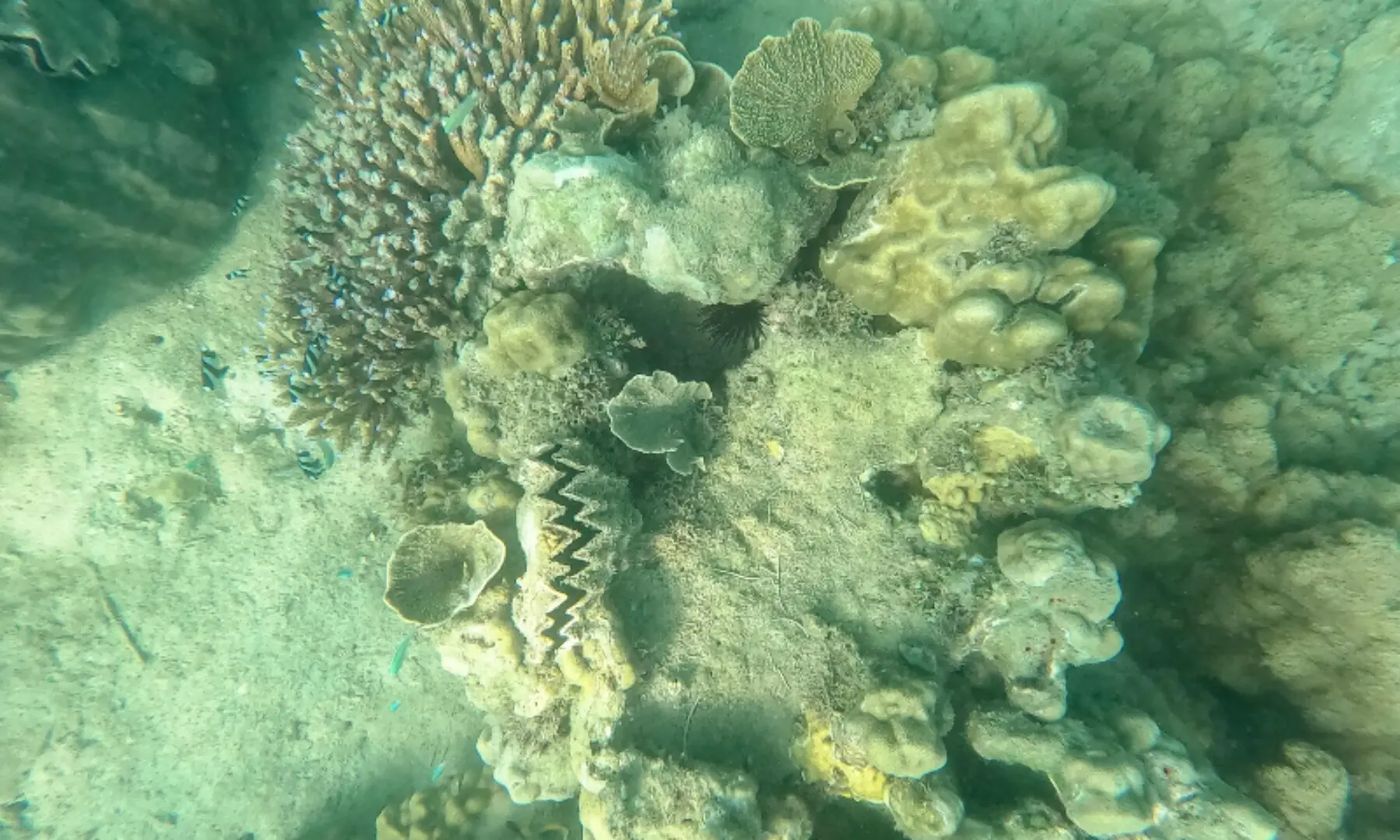
Protected coral reefs along Kenya’s coast demonstrate resilience and support marine biodiversity.
A new international study suggests that climate resilient coral reefs may offer renewed hope for ocean conservation despite rising global temperatures. Researchers presented findings at the Our Ocean Conference showing that around 166,000 square kilometres of coral reefs worldwide appear capable of enduring major warming events.
Moreover, the research challenges more pessimistic projections and points toward locations where reefs could continue supporting marine ecosystems for decades. Scientists stressed, however, that conservation efforts remain essential because only a limited share of these resilient reef systems currently receives active protection.
For More: Pakistan Approves Social Media Tax Under Finance Bill 2026
Kenya Coral Reefs Demonstrate Recovery
Along the coast of Kenya, local communities have become an example of how protection efforts can strengthen marine ecosystems. Near Wasini-Mkwiro Island, residents monitor fish populations, prevent destructive fishing practices, and support habitat restoration.
Furthermore, community members collect environmental data, plant mangroves, and remove waste from coastal areas. Therefore, local conservation has helped maintain reef quality and support eco-tourism opportunities.
Climate Resilient Coral Reefs Show Stronger Adaptation
The study, conducted by Wildlife Conservation Society and Macquarie University, found that many reefs appear more adaptable than previously understood. Scientists said resilience can result from naturally cooler environments, faster recovery cycles, or biological adaptation to heat stress.
Moreover, researchers argued that coral responses to warming are more complex than earlier assumptions suggested. Therefore, some reefs may continue functioning as important ecological centres even under changing climate conditions.
Kisite Marine Park Conservation Model
Near Kenya’s southern coastline, Kisite Marine Park has gained recognition for its conservation work. The protected area received the Gold-Level Blue Park Award in 2021 after years of sustained environmental management.
Moreover, local protection measures support biodiversity that includes turtles, dolphins, reef fish, and numerous coral species. Therefore, conservation remains directly linked to both ecological health and local livelihoods.
Coral Bleaching Still Threatens Oceans
Although the findings offer encouragement, scientists emphasised that warming oceans continue to create serious risks. Coral bleaching occurs when temperature increases stress coral organisms and cause them to lose the algae that support their survival.
Furthermore, researchers reported that bleaching events are becoming more frequent worldwide. Therefore, resilient reefs should not be viewed as immune to climate impacts.
Climate Resilient Coral Reefs Could Become Seed Banks
Lead researchers described these reef systems as potential “living seed banks” capable of helping nearby marine ecosystems recover. New mapping technology also allowed scientists to identify significantly more resilient reefs than earlier studies had recorded.
Moreover, more than half of these locations were found in countries including Australia, Bahamas, Cuba, Indonesia, and Philippines. Therefore, targeted conservation could strengthen long-term ecosystem recovery efforts.
Scientists Stress Emissions Reduction
Researchers welcomed the encouraging findings but maintained that reducing emissions remains essential. They argued that reef conservation alone cannot offset the broader effects of climate change.
Moreover, local actions such as limiting pollution and protecting habitats can complement larger climate strategies. Therefore, preserving these resilient reefs may become one important part of broader ocean protection efforts.