China Retaliation Measures Escalate as US Trade Tensions Deepen Before Xi-Trump Summit
Beijing targets American firms, tightens export controls and warns of further action amid growing technology and trade disputes with Washington.
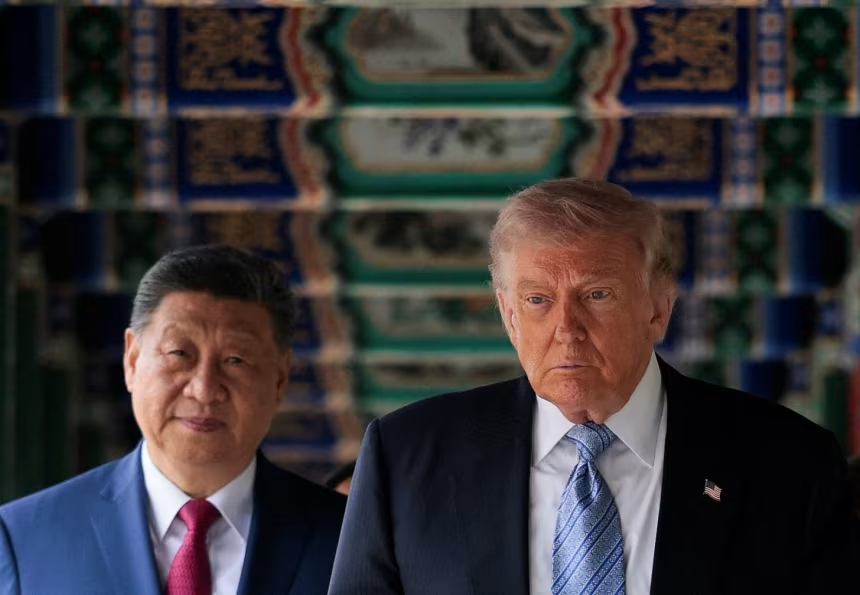
Chinese and American flags reflect rising tensions ahead of a key leaders' summit.
China Retaliation escalated on Wednesday after Beijing unveiled a series of sanctions against American companies and introduced tighter export controls. The move comes weeks before an expected summit between Chinese President Xi Jinping and US President Donald Trump.
Trisha Row Sparks Wider Debate on Why Women Remain Political Collateral Damage
China’s Ministry of Commerce said it had sanctioned several US firms, including companies in the biotechnology and resource analytics sectors. Officials also imposed stricter controls on the export of drones, related components and advanced technologies to the United States.
More than 100 words into the latest dispute, China Retaliation has expanded beyond tariffs and now includes sanctions, export restrictions and national security measures. The latest actions underline the growing strategic rivalry between Beijing and Washington.
Sanctions Follow Recent US Restrictions
According to the ministry, China added six American companies to its countermeasures list after the United States banned imports from 43 Chinese firms over alleged forced labour involving Uyghur and other minority groups.
The sanctions prohibit Chinese organisations and individuals from conducting business or cooperating with the listed companies.
Beijing also sanctioned a seventh American company after the US Federal Communications Commission (FCC) banned imports of new humanoid and quadruped robots, most of which are manufactured in China. The ban also covers power converters.
China remains the world’s largest producer of drones. The country has gradually tightened export controls on drone technology in recent years, citing national security concerns.
Beijing Expands Security Measures
In addition to the sanctions, Beijing launched a national security investigation into imported office equipment using foreign operating systems. Authorities also suspended selected factory tracking and inspection cooperation with the United States.
A spokesperson for China’s Ministry of Commerce said Beijing had “no choice” but to respond to recent US actions.
The spokesperson urged Washington to remove the restrictions and restore what China described as a constructive and stable bilateral relationship. Officials also warned that Beijing would introduce additional countermeasures if the United States announced further restrictions.
Tensions Continue Before Leaders’ Meeting
The latest measures follow several actions taken by the Trump administration in recent weeks. Washington blacklisted dozens of Chinese companies over alleged forced labour links and sanctioned shipping operators accused of transporting Iranian fuel.
The United States also added several Chinese institutions, including two leading civilian universities, to a Pentagon blacklist. It recently imposed new tariffs on imports from China and several other countries while considering further restrictions on Chinese artificial intelligence companies.
Despite the growing tensions, both governments continue diplomatic engagement. Senior US and Chinese economic officials held virtual trade talks last week. A senior Chinese vice foreign minister also visited Washington as preparations continue for the expected Xi-Trump summit next month.
Analysts say the latest exchange of sanctions reflects the fragile state of US-China relations. Although diplomatic channels remain open, disputes over trade, technology and national security continue to dominate the relationship.