Animal Therapy Brings Fleeting Joy to War-Traumatized Children in Gaza as Risks from Unexploded Ordnance Persist
Web Desk April 24, 2026GAZA STRIP, April 24: Amid the devastation of prolonged conflict in the Gaza Strip, moments of relief are emerging through small but meaningful initiatives aimed at healing the psychological wounds of war—especially among children.
GAZA STRIP, April 24: Amid the devastation of prolonged conflict in the Gaza Strip, moments of relief are emerging through small but meaningful initiatives aimed at healing the psychological wounds of war—especially among children.
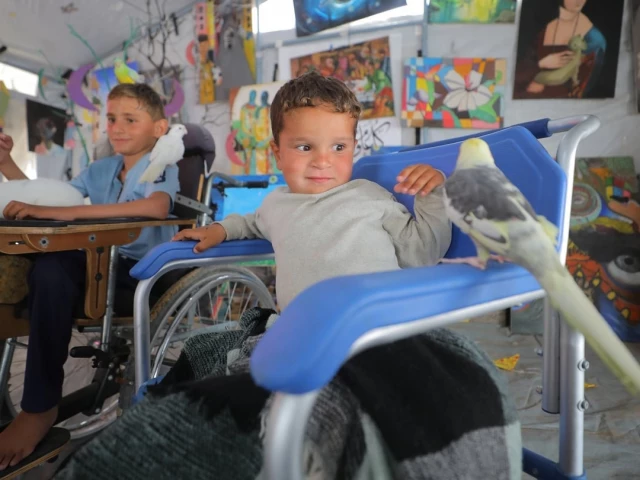
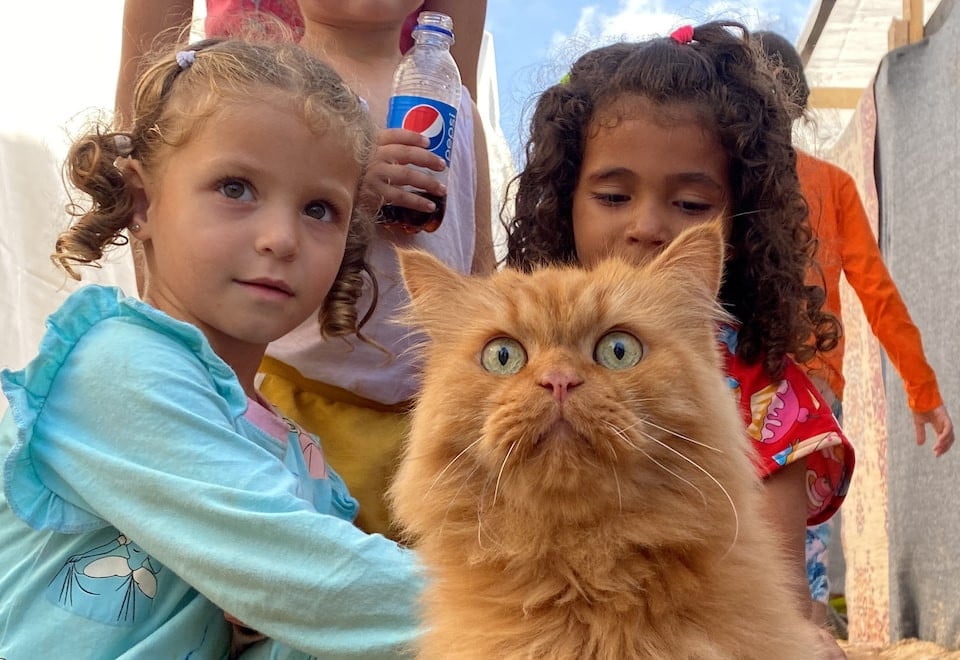
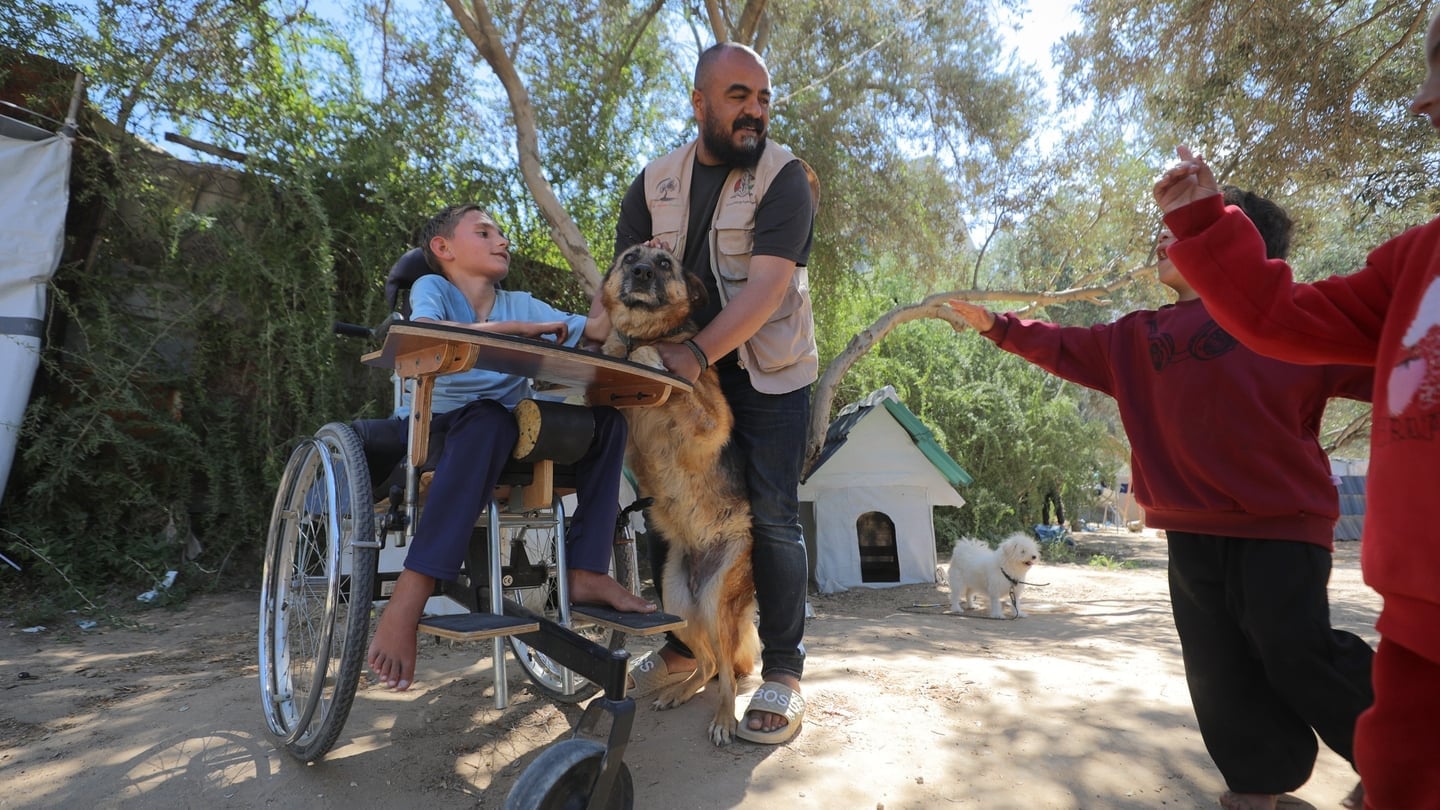
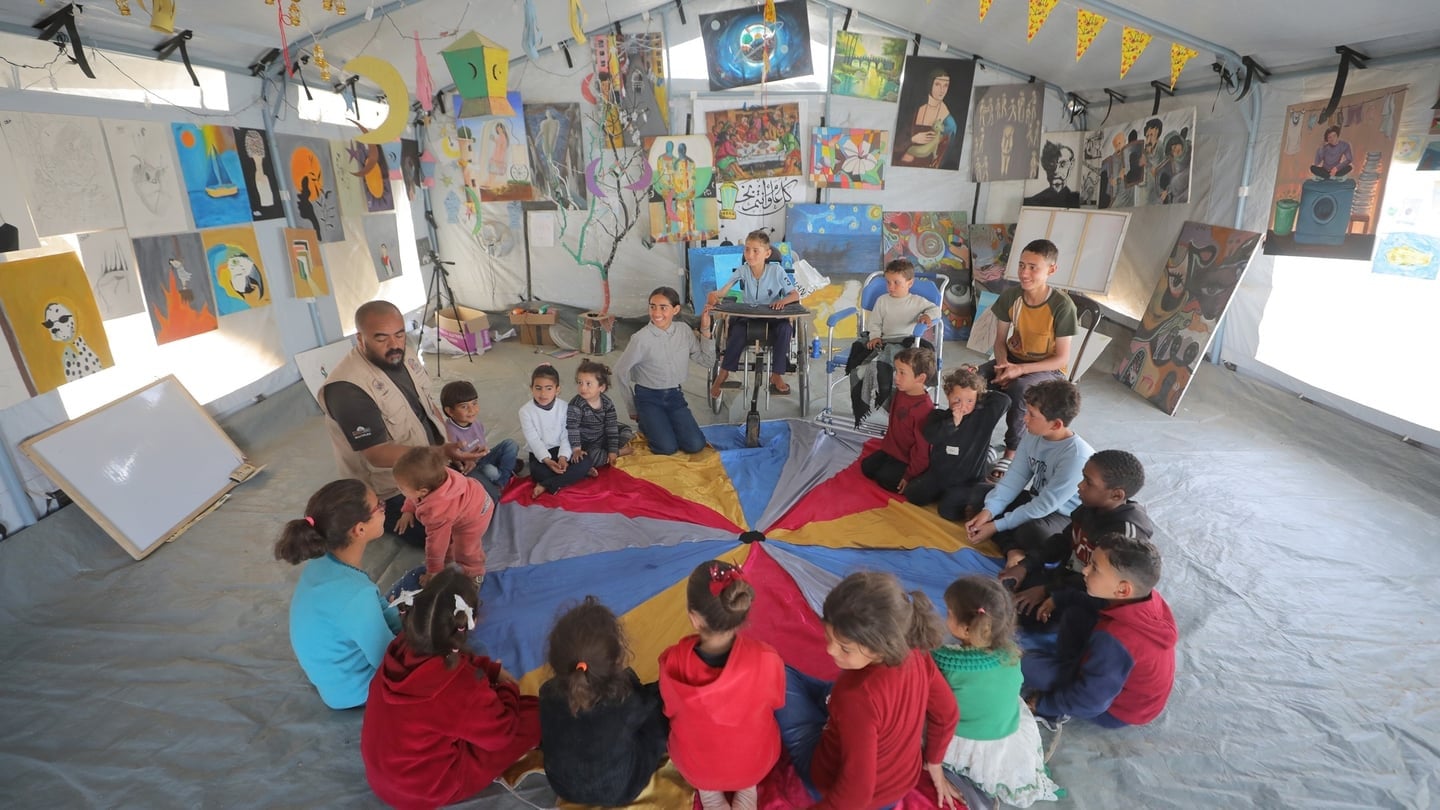
Inside a modest tent in central Gaza, laughter briefly replaces fear as displaced children gather around animals—stroking a white rabbit, watching birds perch on their shoulders, and playing with a small dog. For many of these children, who have endured relentless violence and displacement, such interactions offer a rare sense of comfort.
The initiative is led by Rashid Anbar, who conducts animal-assisted psychological support sessions in Al-Zawayda camp. He believes that animals play a vital role in reducing stress and restoring emotional balance. “The natural presence of animals and birds, with their vibrant colours, absorbs negative energy,” he said, adding that the sessions create an atmosphere of happiness and positivity for children deeply affected by trauma.
The ongoing conflict, triggered by the October 2023 attack by Hamas on Israel, has caused unprecedented destruction across Gaza. According to local authorities, tens of thousands have been killed, and nearly the entire population has been displaced, with many now living in overcrowded tent camps under dire humanitarian conditions.
Children have been among the hardest hit. According to the United Nations Population Fund, over one million children in Gaza require urgent mental health and psychosocial support. Reports indicate that an overwhelming majority live in constant fear, with many believing their lives are at immediate risk—a stark reflection of the trauma they endure daily.
In makeshift art spaces within camps like Zawayda, therapy sessions combine creativity and animal interaction. Children paint, clap, and laugh as they engage with animals such as birds, rabbits, tortoises, and even hedgehogs. The goal, Anbar explains, is not only emotional healing but also nurturing empathy and compassion.
“These activities help children overcome fear by encouraging them to touch and interact with animals, while also learning about them,” he said. Many of the animals used in these sessions were found abandoned during the conflict. Anbar took them in, both to care for them and to use them as tools for therapy.
 Despite a ceasefire that came into effect in October, violence has not completely subsided. Airstrikes and clashes continue intermittently, adding to the already fragile environment. Gaza’s health authorities report hundreds of additional casualties even after the truce began.
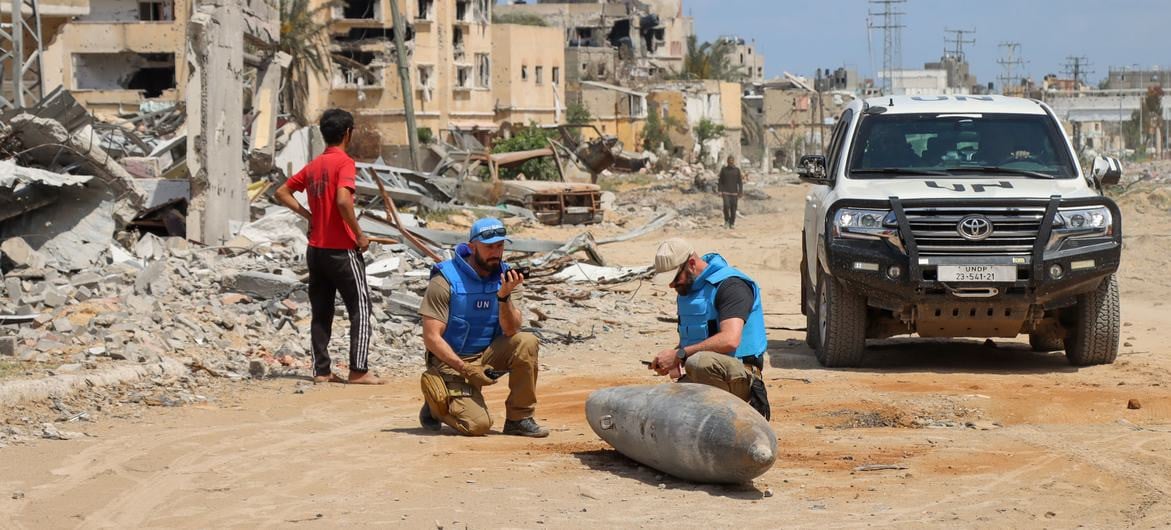
Compounding the crisis is the widespread presence of unexploded ordnance across the territory. The United Nations Mine Action Service warns that undetonated bombs, grenades, and other remnants of war pose a significant threat to civilians and humanitarian operations alike.
According to UNMAS, more than 1,000 people have been killed due to such remnants since the conflict began, with children accounting for nearly half of the casualties. Experts caution that the true scale of contamination is likely far greater, as comprehensive surveys have yet to be conducted.
 In densely populated areas like Gaza, where thousands live within a single square kilometre, the danger is amplified. Explosive devices have even been discovered in residential tents, highlighting the constant risk faced by displaced families.
Aid organizations, including Save the Children, have also raised alarm over the long-term impact on children. A recent report found that hundreds of children suffer life-altering injuries each month, with Gaza now recording one of the highest numbers of child amputees globally.
Recovery efforts remain severely hindered by the presence of unexploded weapons. Humanitarian convoys face risks during transit, and reconstruction projects are delayed due to safety concerns. UN officials estimate that addressing the explosive threat could cost over $500 million, even under optimal conditions.
 As Gaza struggles with the dual burden of physical destruction and psychological trauma, small initiatives like animal-assisted therapy provide a glimmer of hope. For children living through the aftermath of war, these brief encounters with animals offer not just distraction, but a fragile pathway toward healing.