

Abbott Introduces Denosumab Biosimilars in Pakistan to Expand Access to Osteoporosis and Cancer Care
DRAP registers 60mg and 120mg treatments, offering additional options for patients with osteoporosis and cancer-related skeletal complications
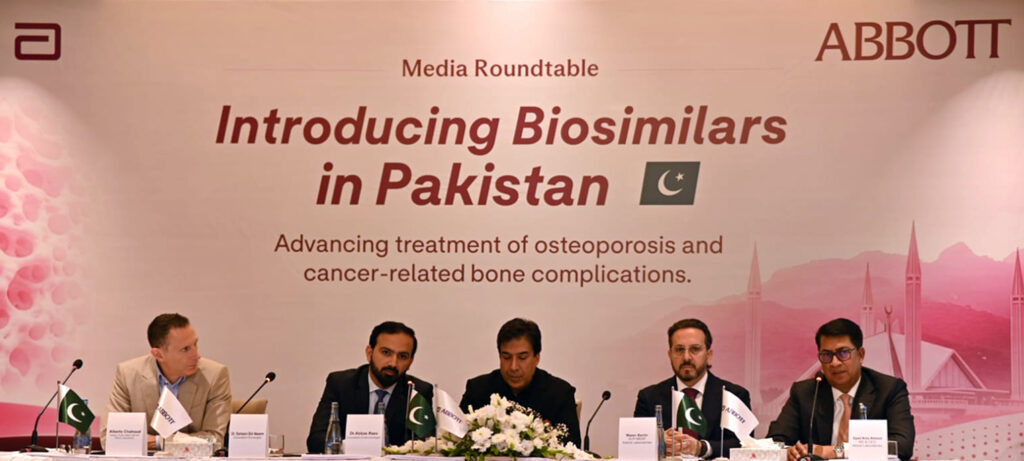
Abbott introduces denosumab biosimilars in Pakistan for osteoporosis and cancer-related skeletal complications.
Abbott has received registration from the Drug Regulatory Authority of Pakistan (DRAP) for its 60mg and 120mg denosumab biosimilars.
The registrations mark a step towards expanding access to biologic treatments for osteoporosis and cancer-induced skeletal-related events. Abbott will market the medicines in Pakistan, aiming to make these treatments more affordable and accessible.
The launch addresses significant healthcare needs in the country. Nearly 10 million people in Pakistan are estimated to have osteoporosis, according to figures cited by the Journal of the Pakistan Medical Association. Women account for approximately 7.2 million cases.
“For people living with osteoporosis, access to the 60mg denosumab biosimilar can be very meaningful. The same applies to the 120mg denosumab biosimilar for people living with cancer-induced skeletal-related events,” said Mazen Bachir, Division Vice President of Abbott’s medicines business in the Middle East, Africa and Pakistan.
He said the company aims to make high-quality therapies more accessible and support better healthcare outcomes across Pakistan.
Addressing Pakistan’s osteoporosis burden
Osteoporosis weakens bones and increases the risk of fractures. The condition particularly affects postmenopausal women and older adults.
A study in Islamabad and Rawalpindi found osteoporosis in 56% of postmenopausal women assessed through dual-energy X-ray absorptiometry (DEXA). The scan measures bone density and helps detect the disease.
Manchester United Held to 2-2 Draw by Sporting as Pochettino Awaits First Win
Fragility fractures, particularly those affecting the hip and spine, can lead to disability and higher healthcare costs. They can also reduce independence and increase mortality risks among older people.
The company also cited the Phase III SIMBA study, published in Pharmaceutics in 2026. The study found that MB09, Abbott’s denosumab biosimilar, demonstrated clinical similarity to the reference biologic. It reported comparable efficacy and safety in postmenopausal women.
Expanding access to advanced medicines
Abbott said the introduction forms part of its broader strategy to expand access to medicines in key therapeutic areas. These include oncology, immunology and women’s health.
In Pakistan, the company is also working to expand its biosimilar portfolio in oncology. The move comes amid substantial unmet healthcare needs and a significant cancer burden.
Professor Syed Abbas Raza, endocrinologist and past president of the International Society of Endocrinology, highlighted the importance of bone health.
“Maintaining bone health is essential to preserving independence and quality of life,” he said. He added that quality treatment options can benefit patients who need them most.
Abbott’s long-standing presence in Pakistan
Abbott has operated in Pakistan for nearly 80 years. Globally, the healthcare company has a history spanning more than 135 years.
The new denosumab biosimilars add to its medicines portfolio. The company said the launch reflects its continued efforts to support Pakistan’s healthcare sector and improve access to treatments for chronic conditions.