IMF Calls for Broader and Fairer Tax System to Support Pakistan’s Economic Growth
IMF representative Mahir Binici urges deeper reforms, stronger governance and fiscal discipline to turn economic stabilisation into sustainable growth and better living standards.
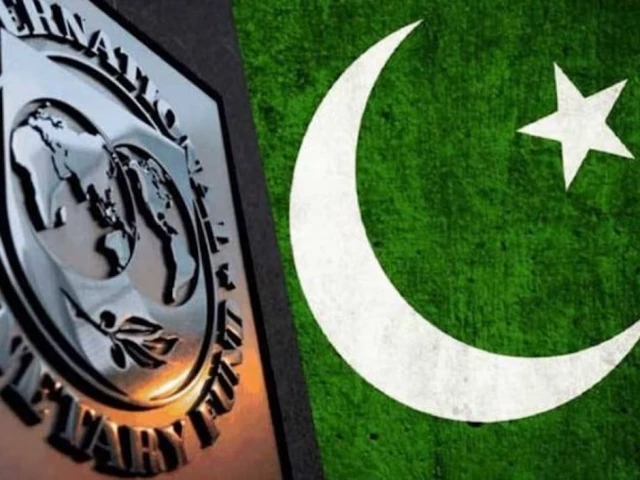
IMF calls for broader tax reforms to support Pakistan’s economic growth.
The International Monetary Fund (IMF) has called on Pakistan to introduce a broader, simpler, fairer and more predictable taxation system to support economic growth.
The proposed reforms should generate resources for human capital development, infrastructure and investment. They could also help increase GDP and improve living standards, the IMF said.
Speaking at the 29th Sustainable Development Conference, IMF Pakistan Representative Dr Mahir Binici stressed the need for deeper structural reforms. The Sustainable Development Policy Institute (SDPI) organised the conference in collaboration with the Ministry of Finance.
The session, titled “Where Reforms Matter the Most for Growth?”, focused on policies that could help Pakistan move beyond economic stabilisation.
IMF Urges Shift Towards Sustainable Growth
Binici praised Pakistan’s efforts to maintain economic stability despite domestic and international challenges over the past two to three years.
However, he said the country had reached a critical stage. Policymakers now needed to focus on translating stability into investment, economic activity, exports and employment.
FBR Assures Exporters of Action on Blacklisting and Pending Tax Refunds
He said Pakistan had completed much of the difficult work required for stabilisation. The next priority should be to strengthen that progress and create conditions for better investment and job opportunities.
Five Priorities for Economic Growth
Binici outlined five key areas that could improve Pakistan’s growth prospects.
He emphasised preserving macroeconomic stability and strengthening the foundations for sustainable economic expansion. He also highlighted fiscal and external sustainability, alongside adequate financial buffers.
Pakistan had faced repeated domestic and external shocks in recent years. These included climate-related disruptions, the Middle East conflict and uncertainty over global trade, tariffs and geopolitics.
Binici said the country’s ability to maintain stability during these challenges demonstrated the importance of economic buffers and resilience.
IMF Stresses Tax Revenue and Fiscal Discipline
The IMF representative called for stronger fiscal discipline and higher revenue collection as a share of GDP.
He said emerging and developing economies needed tax revenues of around 15 per cent of GDP to maintain effective state institutions and provide essential public services.
“Our fund’s research has shown that emerging developing economies like Pakistan need, at least, as a threshold, somewhere around 15% of GDP in revenue,” Binici said.
He added that Pakistan remained well below this benchmark.
Binici also stressed the importance of price stability and continued efforts to build economic buffers.
Governance and Tariff Policy Key to Growth
Binici identified governance, national tariff policy and the cost of doing business as important areas for reform.
He said improvements in these areas could deliver significant economic gains. They also formed central components of the country’s broader reform programme, particularly in the energy and governance sectors.
He described governance as an economic policy rather than simply an administrative matter.
Binici welcomed the completion of Pakistan’s Governance and Corruption Diagnostic. He also acknowledged the preparation of an economic governance reform plan.
Call for a Growth-Friendly Tax System
The IMF representative said Pakistan had made progress despite a difficult economic environment. However, he stressed that substantial work remained to establish a sustainable growth path.
He called for a tax system that supports business activity while providing the government with resources for development.
“We need a broader, simpler, fairer and more predictable taxation system for generating the resources that the country needs, whether for human capital, infrastructure or investment,” Binici said.
He said the reform debate should now focus on how policy changes could translate into stronger economic activity, more investment and better living standards.