LHC Rules Money Laundering Case Can Proceed Separately From Tax Dispute
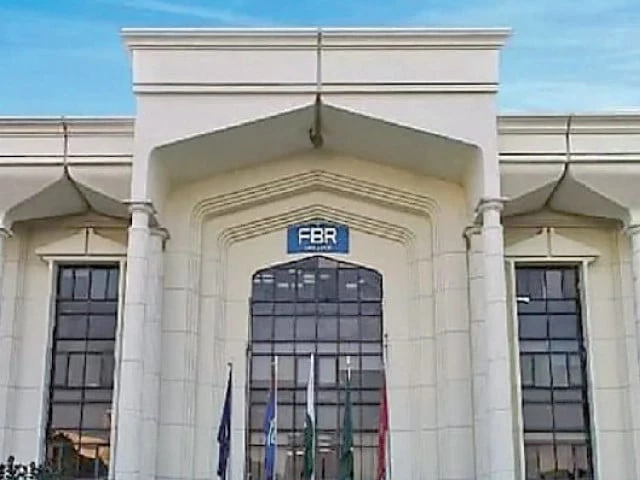
LHC ruling clarifies FBR powers in money laundering investigations.
The Federal Board of Revenue (FBR) has welcomed a Lahore High Court (LHC) ruling on money laundering investigations.
The court ruled that money laundering is a separate offence. It also said the FBR does not have to wait for a final decision in a tax case before starting a money laundering investigation.
A two-member LHC bench issued the ruling. Justice Khalid Ishaq and Justice Hassan Nawaz Makhdoom heard the cases.
The court dismissed a writ petition and related cases. The petitions challenged the powers and actions of the FBR’s Directorate General of Intelligence & Investigation, Inland Revenue (I&I-IR).
LHC Clarifies FBR Investigation Powers
The court held that tax proceedings and money laundering cases are separate. One process does not have to wait for the other to finish.
According to the FBR, the I&I-IR has legal authority to register cases. It can also investigate and prosecute offences under the Anti-Money Laundering Act, 2010.
US-Iran Talks Face New Hurdle as Mediators Seek Nuclear Concessions
The court said money laundering involves proceeds from illegal activity. It can include moving or disguising funds to make them appear legitimate.
The judgment also stated that authorities can prosecute a person for money laundering without a prior conviction for the underlying offence.
Anti-Money Laundering Law Takes Precedence
The court described the Anti-Money Laundering Act as a special law. It said the law takes precedence over general laws within its scope.
The judgment also rejected attempts to use ongoing tax disputes to delay money laundering proceedings.
The court addressed suspicious transaction reports filed by banks with the Financial Monitoring Unit (FMU). It said authorities can take further action under the relevant legal framework.
However, the law provides safeguards for such proceedings.
Court Limits Intervention in Early Investigations
The LHC also addressed the use of writ petitions during criminal investigations.
It said a High Court would not ordinarily stop an investigation at its preliminary stage. Competent Special Courts can examine questions about the source of funds.
They can also examine how individuals moved those funds.
The FBR welcomed the ruling. The tax authority said the decision provides greater legal clarity.
The FBR also stressed that enforcement agencies must follow due process. They must operate within the rule of law.
Ruling Does Not Target Taxpayers
The FBR said the ruling does not affect people who declare their income and pay their taxes.
The authority said the judgment strengthens efforts against money laundering and financial crime.
Money laundering generally involves concealing the illegal origin of funds. Criminals may move or convert the money to make it appear legitimate.