Urban Evolution: How Animals Are Rapidly Adapting to Life in Human Cities
From glass-climbing lizards to city foxes, scientists say wildlife is evolving faster than ever to survive urban environments shaped by humans.
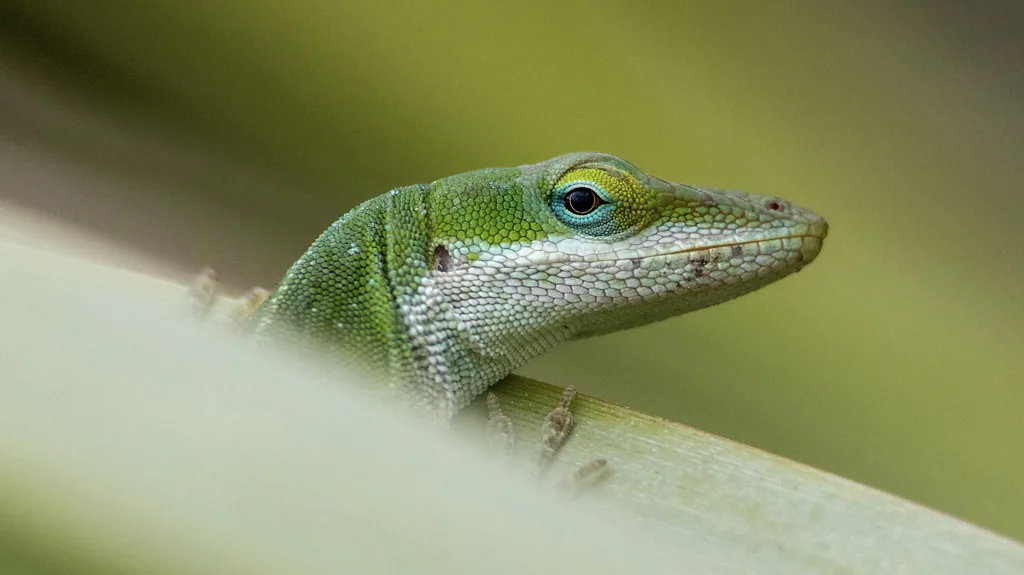
An urban anole lizard climbs a glass surface, showing rapid adaptation to city environments.
Cities are becoming powerful drivers of Urban Evolution, forcing wildlife to adapt at remarkable speed. Scientists say animals living alongside humans are changing their behaviour, appearance and even genetics to survive in environments filled with traffic, pollution and concrete.
Japan Liveable Cities: Why Tokyo and Osaka Rank Among the World’s Best
Researchers describe this process as contemporary evolution, where human activity accelerates natural selection over just a few generations. Urban habitats now act as a new ecosystem, creating challenges that many species have never faced before.
Urban Evolution
Experts say animals that successfully adjust to city life often gain important advantages. They find new food sources, avoid predators and develop behaviours that improve their chances of survival and reproduction.
Andrew Sih, a behavioural evolution researcher at the University of California, Davis, said behavioural flexibility is often the first step toward long-term evolutionary change. Animals that adapt quickly are more likely to survive long enough for genetic changes to follow.
City Lizards Develop Better Climbing Skills
One of the clearest examples comes from Puerto Rico, where anole lizards living in cities have evolved longer legs and more toe lamellae—the tiny scales that help them grip surfaces.
These physical changes allow the reptiles to climb smooth walls, windows and metal structures more efficiently than their forest relatives. Scientists believe the adaptation occurred within only a few years.
Urban Wildlife Learns to Thrive
Many species are benefiting from city life despite its challenges.
Research shows some urban animals enjoy more reliable food supplies and face fewer natural predators than those living in the wild. These conditions can increase survival rates and produce larger populations.
In the United Kingdom, red foxes living in cities reproduce more successfully because food is readily available.
In the United States, researchers have found that urban raccoons are becoming less aggressive around people and are developing shorter snouts, traits linked to early signs of domestication.
Studies in Denmark also show that urban hares have become more tolerant of human activity, allowing them to live comfortably in populated areas.
Birds Change Their Songs and Behaviour
Birds are also responding to city life in surprising ways.
Scientists have found that many species sing at higher frequencies or louder volumes so their calls can be heard above traffic noise.
The dark-eyed junco, a small North American bird, has undergone several rapid changes after settling in urban environments.
Researchers found city populations became less aggressive, bred earlier, raised more young and even changed their migration patterns.
Urban juncos also developed smaller wings, making it easier to fly through crowded streets and buildings instead of open landscapes.
Humans Are Driving Evolution Beyond Cities
Scientists say rapid evolution is not limited to urban areas.
In parts of Africa, more elephants are now born without tusks because poachers target animals with ivory. Tuskless elephants survive more often and pass the trait to future generations.
Fishing pressure is also changing marine life. Some fish species are becoming smaller because larger fish are removed from the population before they can reproduce.
Meanwhile, Atlantic killifish have developed thicker skin to protect themselves from industrial pollution and toxic chemicals.
Not Every Species Can Adapt
Although some animals evolve quickly, many struggle to survive rapid environmental change.
Researchers warn that climate change, habitat loss, pollution and expanding cities are transforming ecosystems faster than many species can respond.
Andrew Sih said some animals simply cannot adjust their behaviour quickly enough to survive. Without enough time to evolve, many populations face an uncertain future.
Scientists believe understanding Urban Evolution will become increasingly important as cities continue to expand and reshape the natural world.