China investigates gene-editing trial after undisclosed death of six-year-old girl
Shanghai Jiao Tong University has launched an investigation following reports that a child’s death linked to an experimental gene-editing treatment was omitted from published research.
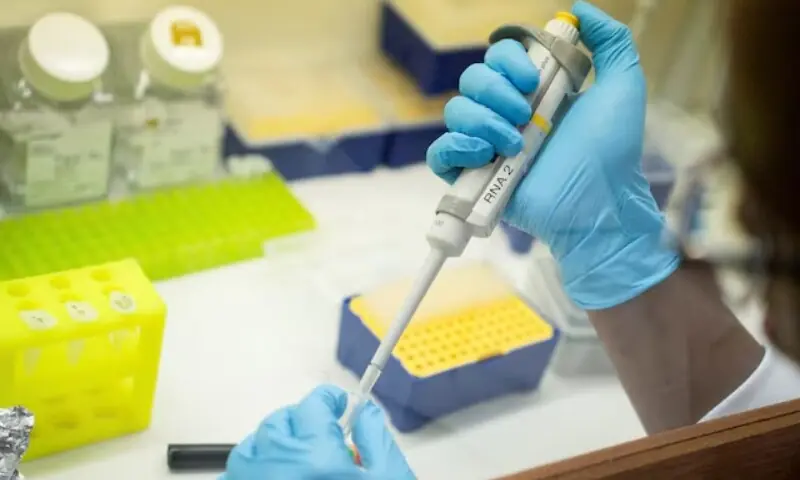
Shanghai Jiao Tong University launches an investigation into a controversial gene-editing trial.
BEIJING: A gene-editing trial in China has come under scrutiny after reports claimed that the death of a six-year-old girl following an experimental treatment was not disclosed in published scientific research.
Shanghai Jiao Tong University School of Medicine announced on Sunday that it had launched a comprehensive investigation into the case.
University orders investigation
The university said it had formed a special working group to examine the allegations.
Officials stated that the institution places a strong emphasis on research integrity and scientific ethics.
The university also said it would take appropriate action if investigators found any violations.
Child reportedly died after experimental treatment
According to a joint investigation by Science and Retraction Watch, the six-year-old girl, identified by the pseudonym “Mei,” died last year about a week after receiving an experimental spinal infusion.
The treatment involved trillions of engineered viruses designed to reach the brain and correct a rare genetic disorder that caused severe cognitive developmental delays.
The girl’s family reportedly paid more than $800,000 to fund the experimental procedure.
Seattle shooting near Space Needle leaves three dead as police arrest suspect
Study omitted patient’s death
The investigation alleged that neuroscientist Zilong Qiu, who led the research, later published a paper in the journal Nature based on related animal studies.
However, the publication reportedly did not mention the child’s death or the outcome of the human treatment.
The report also claimed that Mei’s parents were not fully informed about the potential risks before agreeing to the therapy.
Ethical concerns resurface
The experimental treatment sought to become the world’s first gene-editing therapy delivered directly to the brain.
Researchers hoped to repair the mutated gene responsible for the child’s condition and restore the production of a critical protein.
The reported omission has renewed concerns over research ethics in China’s rapidly growing biotechnology sector.
Fresh scrutiny for China’s biotech ambitions
The latest controversy follows the global backlash over the 2018 gene-edited babies scandal involving Chinese scientist He Jiankui.
That case drew widespread international condemnation and intensified calls for stricter oversight of human gene-editing research.
The current investigation is expected to determine whether ethical guidelines and research standards were violated during the experimental trial.