Where Lines Hold Ramsha Rubbani Explores Motherhood Through Contemporary Art
Solo exhibition at Karachi’s Sanat Initiative reimagines motherhood through classical inspiration, personal experience and modern visual storytelling.
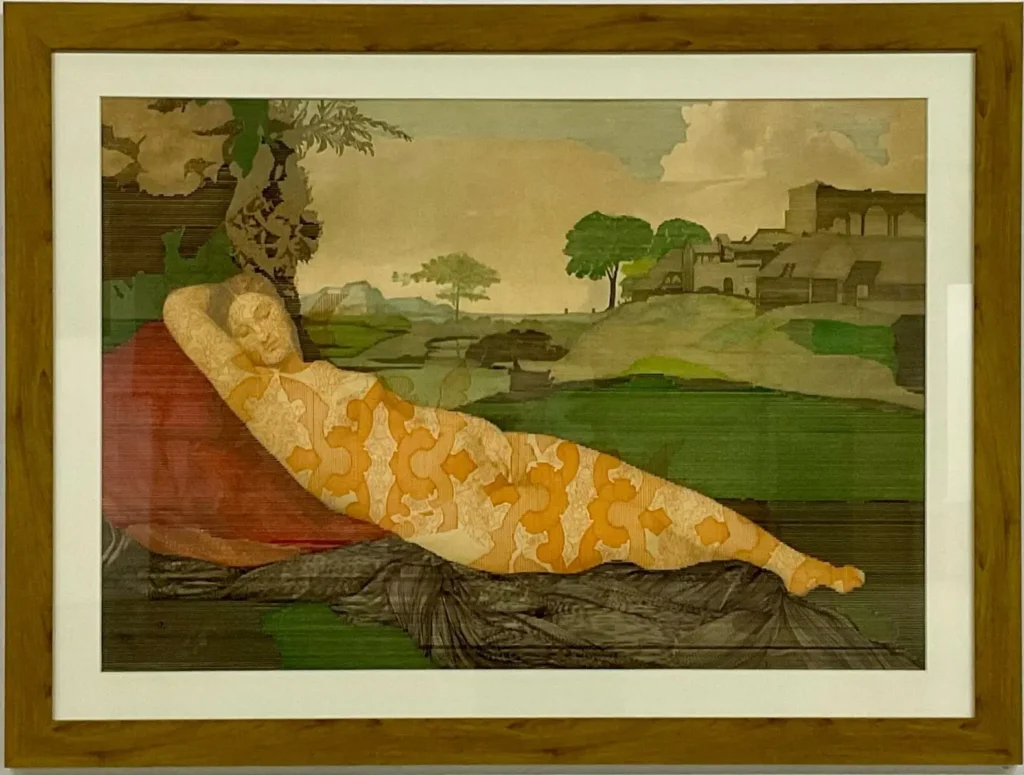
Artist Ramsha Rubbani's exhibition Where Lines Hold explores motherhood through contemporary visual art
KARACHI Where Lines Hold, a solo exhibition by artist Ramsha Rubbani, offered a thoughtful exploration of motherhood through contemporary art, combining personal experience with influences from classical religious imagery and nature.
Held at Sanat Initiative from June 30 to July 9, 2026, the exhibition presented motherhood as an instinctive and deeply human experience rather than simply a social role. Rubbani drew on her own journey as a mother to create artworks that reflect care, resilience and emotional connection.
Although trained in design, Rubbani said motherhood transformed her artistic perspective. Nature has always shaped her work, but she now sees motherhood as one of its most powerful and sacred expressions.
The exhibition took inspiration from the artist’s visit to Europe, where she encountered centuries-old depictions of maternal relationships. Classical masterpieces, including images of the Madonna and Child and Michelangelo’s Pietà, influenced her creative process and encouraged her to examine how public spaces celebrate motherhood.
After returning to Pakistan, Rubbani recognised the limited presence of similar artistic conversations about motherhood. That observation became the foundation of Where Lines Hold.
One of the exhibition’s central collections, Hold Close to My Heart, digitally reinterprets historical artworks while preserving their emotional warmth. The compositions avoid specific identities and instead focus on the universal bond between a mother and her child.
A defining feature of the series is the treatment of faces. Instead of traditional facial details, Rubbani fills them with delicate vertical lines. These intricate marks symbolise emotional strength, patience and the quiet resilience that often define motherhood. By removing individual identities, the artist transforms her figures into universal symbols of maternal care.
The dialogue between history and contemporary life continues in Woven in Love, where biblical and mythological references become reflections on modern motherhood, compassion and nurturing relationships.
Rubbani also demonstrates remarkable technical skill throughout the exhibition. Works such as One Dusky Evening and On the Grass combine digital techniques with meticulous hand-drawn line work, creating images that appear layered with transparent tracing paper. The illusion encourages viewers to examine the artworks more closely and appreciate the precision behind every detail.
In Under Your Guideline, the artist balances digital technology with traditional drawing techniques, allowing both mediums to complement one another without dominating the composition.
A restrained colour palette of soft greys, muted greens and pale blues creates a calm atmosphere, while subtle touches of red gently direct the viewer’s attention. The understated colours strengthen the emotional impact of the delicate line work.
Some pieces closely reference well-known religious compositions. However, Rubbani’s personal interpretation gives them fresh meaning by exploring memory, care and the enduring nature of maternal love.
In a society where motherhood often remains a private responsibility rather than a publicly celebrated experience, Where Lines Hold invites audiences to reflect on maternal relationships with empathy and openness. The exhibition creates space for viewers to connect their own memories with themes of love, identity and belonging.