US-China: Beijing and Washington Clash at UN Over Iran and Middle East Tensions
China accuses the United States of fuelling instability in the Middle East, while Washington alleges Beijing failed to curb the flow of dual-use goods to Iran and Houthi rebels.
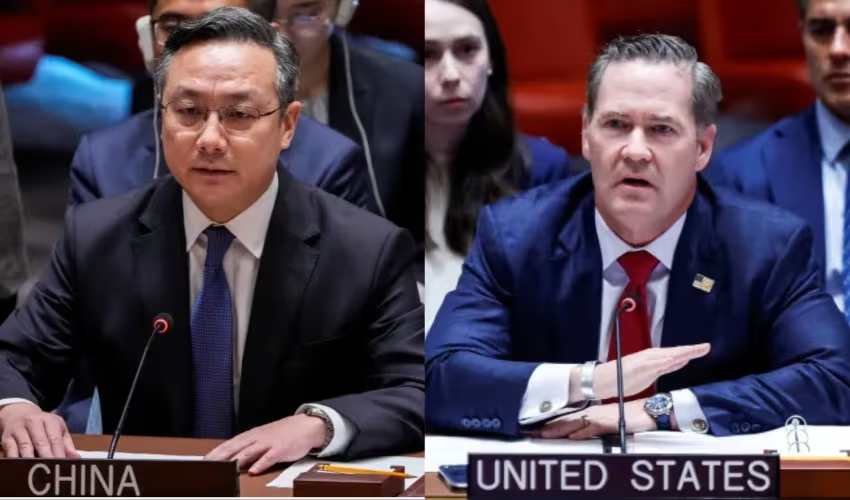
Chinese and US diplomats exchange remarks during a UN Security Council meeting.
US-China tensions escalated at the United Nations Security Council on Wednesday as Beijing and Washington exchanged sharp accusations over Iran, regional security and the transfer of dual-use goods.
During the meeting, China’s Ambassador to the United Nations, Sun Lei, accused the United States of worsening instability in the Middle East through its military actions against Iran.
“Launching major attacks against Iran has once again pushed the region into a dangerous precipice,” Sun told the Security Council.
Furthermore, Sun urged Washington to stop creating new conflicts in the region and rejected US allegations that China had allowed goods with potential military applications to reach Iran and Yemen’s Houthi rebels.
Iran-US: Iran Declares US Memorandum of Understanding Invalid Amid Rising Tensions
According to the Chinese ambassador, Beijing maintains strict controls over exports of dual-use items. Therefore, he described the US allegations as “completely baseless.”
Meanwhile, US Ambassador to the United Nations Mike Waltz accused China of failing to prevent the transfer of dual-use goods and satellite imagery to Iran and the Iran-backed Houthi movement.
Addressing the Security Council, Waltz alleged that companies and entities in China, along with Iran, had violated the UN arms embargo on the Houthis without facing meaningful consequences.
In response, Waltz clarified that he was referring to dual-use technologies and satellite imagery that have legitimate civilian applications but can also support military operations.
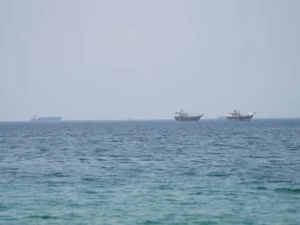
He added that those technologies had been used to threaten US allies, commercial shipping and civilian aircraft operating across the region.
At the same time, Sun dismissed the accusations and reiterated that China complies with international export control regulations. Instead, he argued that Washington should focus on reducing tensions rather than increasing military pressure.
Overall, the heated exchange highlighted the growing strategic rivalry between the United States and China. As a result, the dispute has added to concerns over regional stability, maritime security and the safety of international trade routes as tensions surrounding Iran continue to rise.