Oil Prices: Crude Falls as US-Iran Talks Ease Supply Concerns
Brent and US crude decline for a third straight session as progress in indirect negotiations reduces fears of disruption in the Strait of Hormuz.
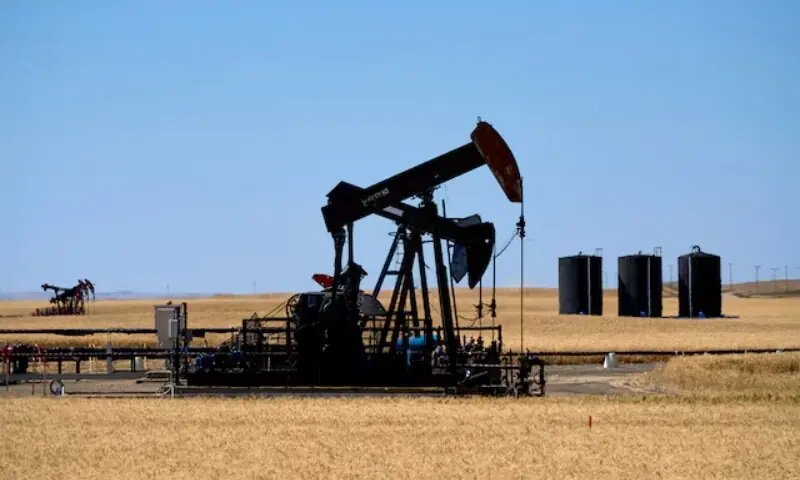
Oil prices decline as easing geopolitical tensions improve supply outlook.
Oil prices fell about 1% on Thursday, extending losses for a third straight session. Signs of progress in indirect US-Iran talks eased fears of supply disruption.
Brent crude futures dropped 77 cents, or 1.1%, to US$70.80 a barrel. US West Texas Intermediate fell 84 cents, or 1.2%, to US$67.74 a barrel. Both benchmarks had already lost more than 1% in the previous session and hit four-month lows.
Qatar’s Foreign Ministry said the talks made positive progress on issues linked to the memorandum that ended hostilities in June. Officials still said the sides had not reached a breakthrough on a lasting peace deal.
US-Iran Talks: Doha Negotiations End Without Breakthrough on Long-Term Peace
Investor sentiment improved because the Strait of Hormuz remained open to commercial shipping. The waterway carried about one-fifth of global oil supplies before the conflict and remains vital to energy markets.
Analysts said expectations of steady crude exports, along with higher global production, have raised oversupply concerns. That pressure has pushed oil prices lower.
OPEC+ is also expected to approve another increase in oil production targets for August when members meet later this week, industry sources said.
UBS cut its Brent crude forecasts after the US-Iran Islamabad Memorandum of Understanding and higher shipping through the Strait of Hormuz. It lowered its September-quarter forecast by US$25 a barrel and its December-quarter forecast by US$10.
UBS now expects Brent to average US$80 a barrel in the second half of 2026 and US$75 in 2027. The bank still warned that risks remain high, since tanker traffic into the Persian Gulf continues to lag outbound shipments.
Qatar’s Foreign Ministry said the next round of indirect US-Iran talks should take place after funeral ceremonies for Iran’s Supreme Leader Ayatollah Ali Khamenei on July 9.