Finance Bill: Pakistan Parliament Panel Approves Sweeping Tax Overhaul
Web Desk June 23, 2026ISLAMABAD: The National Assembly Standing Committee on Finance has approved the Finance Bill 2026 after introducing around 30 significant amendments that reshape taxation, enforcement and regulatory frameworks across multiple sectors.
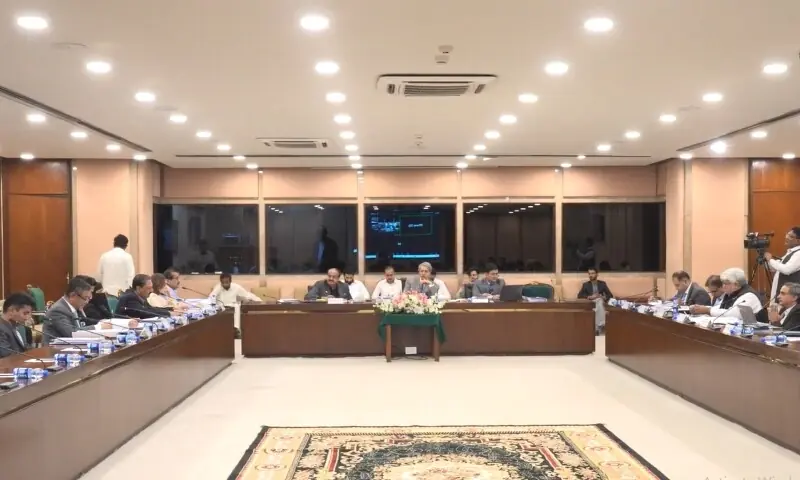
A parliamentary committee approves major amendments to Pakistan’s Finance Bill 2026 in Islamabad.
ISLAMABAD: The National Assembly Standing Committee on Finance has approved the Finance Bill 2026 after introducing around 30 significant amendments that reshape taxation, enforcement and regulatory frameworks across multiple sectors.
Lawmakers will now present the revised bill in the National Assembly, where members will conduct a clause-by-clause vote before giving final approval. The Senate committee had earlier forwarded 123 recommendations on the draft legislation.
The committee completed its report on Monday and formally recommended the updated version for adoption ahead of the final budget vote.
Finance Bill 2026: Committee approves major tax reforms and digital taxation measures
Mobile tax changes and digital enforcement
The committee approved a new instalment-based tax system for imported mobile phones, to be implemented through the Pakistan Telecommunication Authority (PTA) device registration system.
It also introduced stricter digital compliance measures for manufacturers. Authorities will require tax stamps, barcodes and full integration with production monitoring systems before goods can be cleared for sale or removal from factories.
Digital production tracking, faceless tax assessments and algorithm-based dispute resolution systems will also strengthen enforcement under the revised framework.
Customs and import reforms
The amended bill tightens customs procedures and introduces board-level approvals for key administrative decisions, which will now require ministerial clearance.
It reduces the limitation period for tax-related actions from 10 years to five and ensures that affected parties receive a hearing before confiscation orders are issued, except in urgent risk cases.
The committee also included chartered accountants as non-voting members in tax and customs proceedings to improve transparency.
Sector-specific tax adjustments
For the steel industry, the committee linked sales tax collection to electricity consumption, including captive power use, while allowing adjustments for compliant units to reduce refund accumulation.
It also introduced a reduced 1pc tax rate on coal imports for independent power producers and a 3pc value-added tax on imported goods sold without processing.
In the automotive sector, electric vehicles valued up to $75,000 will face zero federal excise duty. Vehicles priced between $75,000 and $110,000 will carry a 30pc duty, while those above $110,000 will face a 40pc charge.
Imported vehicles above 2000cc will face significantly higher excise rates, reaching up to 92pc for engines above 3000cc.
Digital economy and banking data reforms
The State Bank of Pakistan will establish a centralised digital repository of banking data to support tax collection and compliance monitoring. The system will allow access to financial records through unique identifiers.
A 5pc withholding tax will apply to income generated through social media platforms, while other changes revise taxation for financial services and port operators.
Reliefs, exemptions and business measures
The committee reduced the minimum tax rate to 0.5pc for 14 categories of distributors, including pharmaceuticals, fertilisers, sugar, cigarettes and consumer goods sectors.
Small businesses with turnover up to Rs200 million will gain the option to opt out of the final tax regime from tax year 2027.
Export-oriented firms generating more than 80pc of revenue from exports will also receive relief from super tax.
The exemption list expands to include several welfare and institutional bodies, including provincial social security institutions and charitable organisations.
Governance and compliance tightening
Authorities will impose stronger penalties for repeat violations, with fines linked to turnover in some cases. The bill also introduces safeguards allowing taxpayers to challenge auditor appointments and raise objections within 15 days.
Confiscated goods must now be auctioned through transparent and often electronic public procurement systems.
Two members of the committee submitted dissenting notes, highlighting divisions over aspects of the proposed reforms as the legislation moves toward final parliamentary approval.