
Islamabad MoU: Shehbaz Sharif Iran peace deal talks with Pezeshkian
Islamabad MoU has drawn global attention after Prime Minister Shehbaz Sharif held a telephone conversation with Iranian President Masoud Pezeshkian, as the Islamabad MoU gains momentum as a diplomatic breakthrough aimed at rebuilding Iran and stabilising regional tensions.
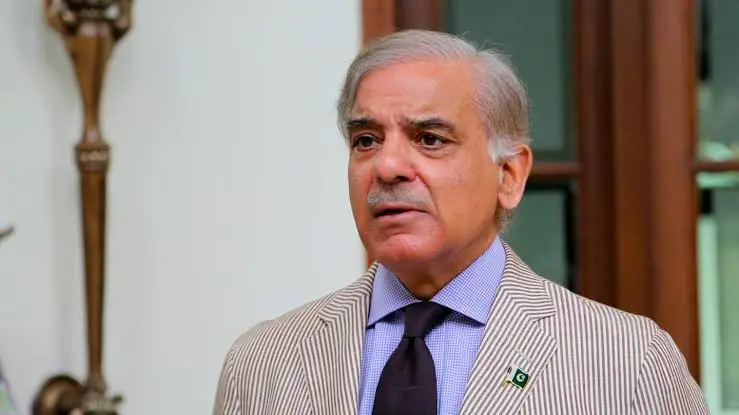
Shehbaz Sharif and Masoud Pezeshkian discuss Islamabad MoU in high-level call
Islamabad MoU has drawn global attention after Prime Minister Shehbaz Sharif held a telephone conversation with Iranian President Masoud Pezeshkian, as the Islamabad MoU gains momentum as a diplomatic breakthrough aimed at rebuilding Iran and stabilising regional tensions.
The Prime Minister’s Office said the two leaders discussed the implications of the agreement during a 30-minute call following the signing of a wider peace framework between Washington and Tehran.
Shehbaz Sharif said the Islamabad MoU could help revive Iran’s economy and strengthen regional stability. He described the deal as a key turning point for peace in the Middle East. He also congratulated Iran’s leadership and reaffirmed Pakistan’s support, saying Islamabad would cooperate in all areas of mutual interest.
Iran Deal: US Drops Naval Blockade After Historic Middle East Agreement
President Masoud Pezeshkian thanked Pakistan for its diplomatic role and praised its leadership and military officials for facilitating the agreement. He said Iran wanted to expand relations with Pakistan and deepen cooperation across multiple sectors.
The Islamabad MoU comes after more than 100 days of conflict and outlines steps including the reopening of the Strait of Hormuz and easing of economic restrictions on Iran. Officials say the agreement could improve global energy stability and ease pressure on markets, although further negotiations will determine implementation.
Both sides agreed to maintain close diplomatic contact and explore future high-level visits between Islamabad and Tehran, signalling a renewed phase of engagement between the two countries. Analysts say the deal could reshape regional alliances if both sides fully implement the framework.