US-Iran Talks: Trump Warns Tehran Ahead of New Switzerland Negotiations
Washington and Tehran exchange sharp messages as negotiators seek progress on a broader agreement to reduce regional tensions.
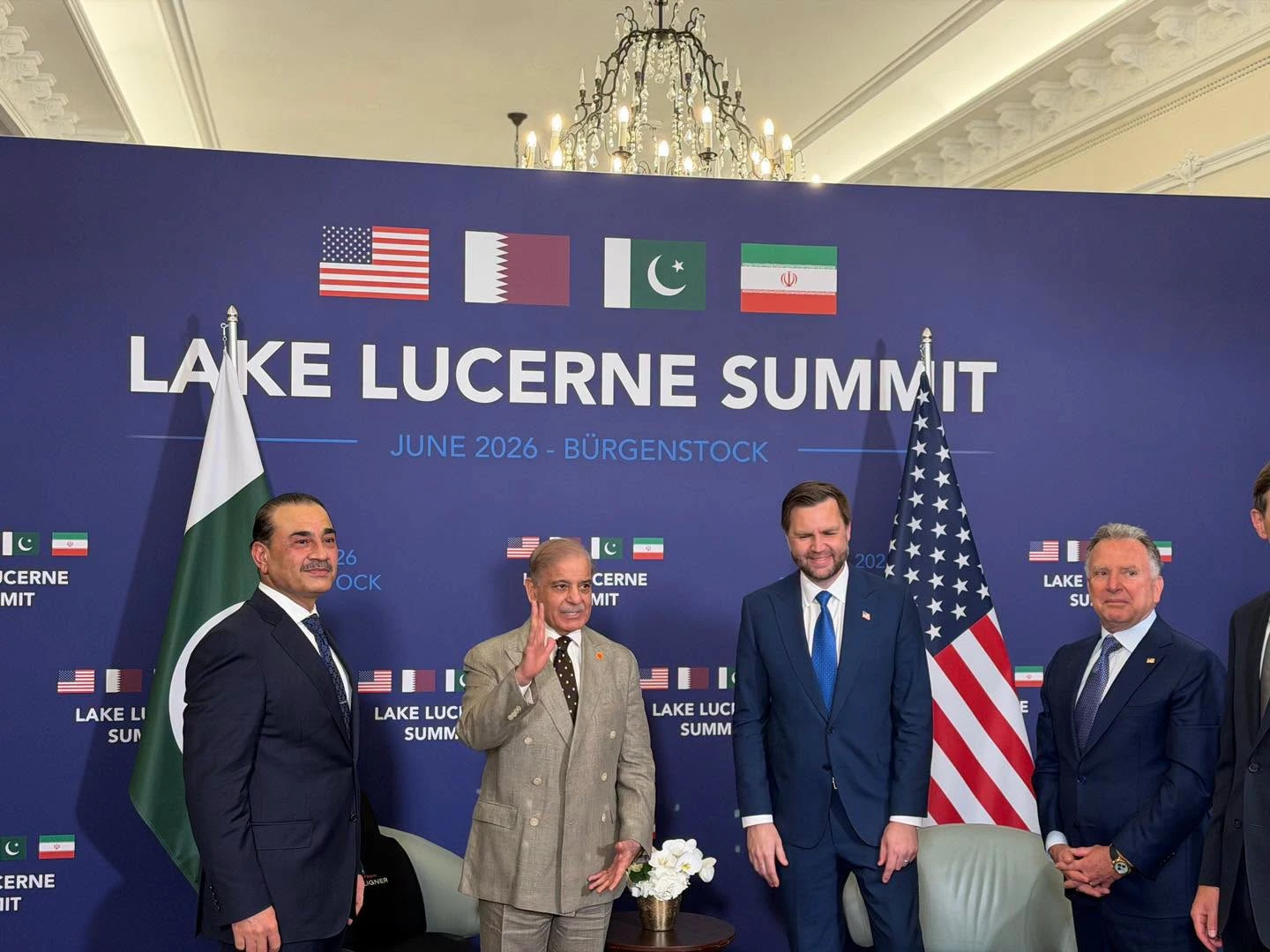
US and Iranian officials prepare for a new round of negotiations in Switzerland.
US-Iran Talks entered a new phase after US President Donald Trump warned Iran of possible tougher military action if Tehran failed to restrain allied groups operating in Lebanon ahead of a fresh round of negotiations in Switzerland.
The discussions brought together US Vice President JD Vance and senior Iranian officials as both sides attempted to build on a recent interim agreement designed to end hostilities and support stability in the Strait of Hormuz.
Pakistan and Qatar also participated in diplomatic efforts as mediators supporting continued engagement between Washington and Tehran.
Trump warned that further escalation in Lebanon could trigger a stronger response and urged Iran to limit the activities of groups aligned with Tehran.
AI Robots: Companies Offer Free Home Services to Train Future Household Machines
Iran’s lead negotiator Mohammad Bagher Ghalibaf rejected the warning and stated that the country’s armed forces remained prepared to respond to any confrontation.
The renewed diplomatic push follows an initial agreement reached last week that committed both sides to pursuing a broader settlement within 60 days and reducing tensions across the region.
The agreement also included efforts to reopen and stabilise the Strait of Hormuz, a key route for global energy supplies and maritime trade.
Ahead of the negotiations, JD Vance said the talks represented an opportunity to “turn over a new leaf” and suggested the United States remained open to improving relations if meaningful progress could be achieved.
Iran has continued to maintain that its strategic and nuclear policies are defensive and peaceful in nature.
Observers view the Switzerland negotiations as an important test of whether recent diplomatic momentum can translate into a more durable regional settlement.