Abdullah Ibrahim Iconic Anti Apartheid Jazz Composer Dies in Germany
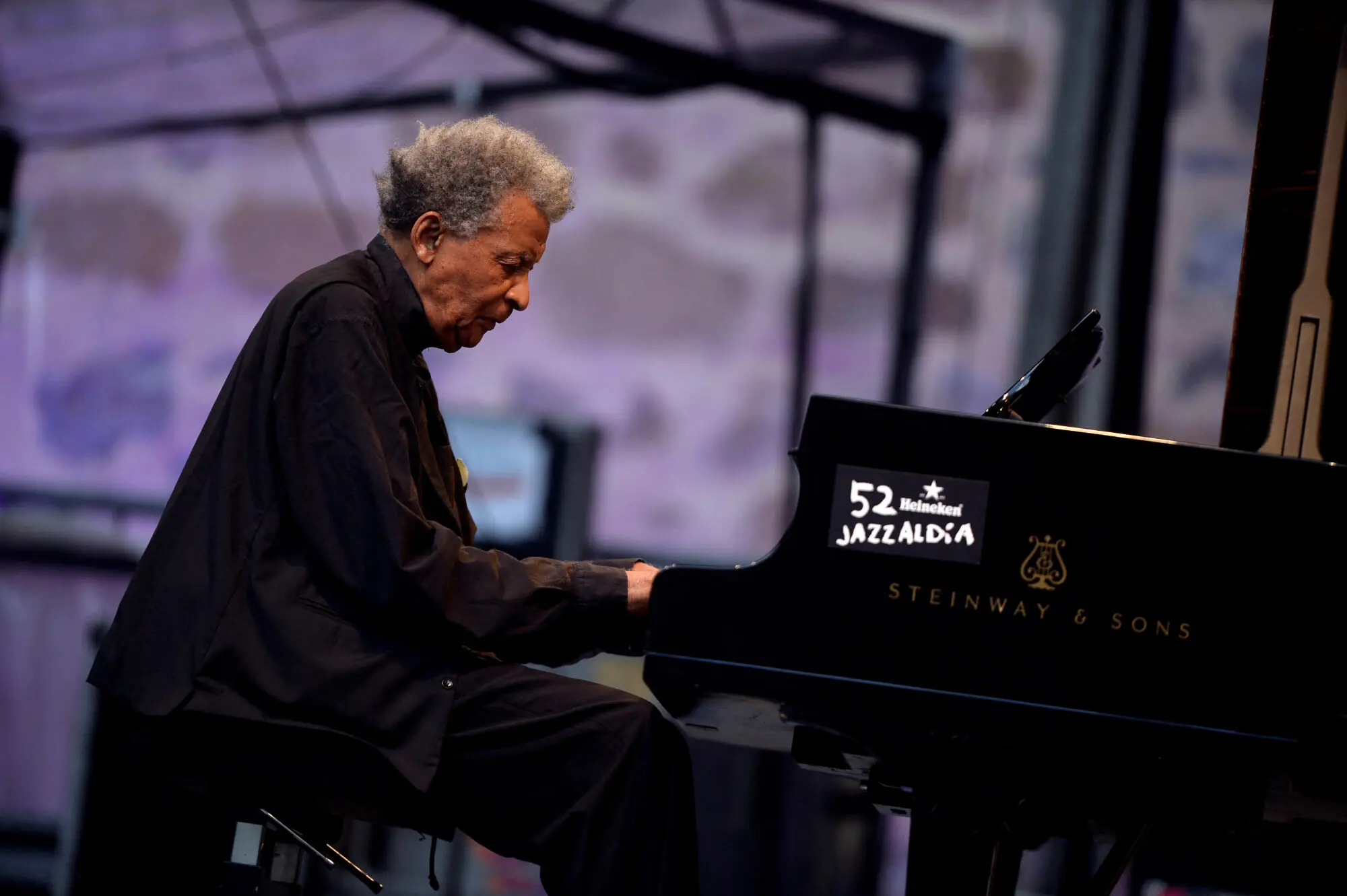
Abdullah Ibrahim performing at the piano during a celebrated international jazz concert.
Abdullah Ibrahim, the internationally celebrated South African jazz pianist and composer, died on Monday at the age of 91. According to a statement issued by his family, he passed away peacefully in Germany following a short illness while surrounded by loved ones.
The passing of Abdullah Ibrahim marks the end of a remarkable musical journey that influenced generations of jazz performers around the world. Moreover, his work extended beyond performance and became closely associated with cultural identity and artistic resistance during South Africa’s apartheid era.
Shehbaz Sharif Approves Federal Funding for Gilgit Baltistan Solar Project
Abdullah Ibrahim Early Jazz Career
Abdullah Ibrahim began his professional music career at the age of 15. His early performances quickly attracted attention and helped establish his place in South Africa’s developing jazz scene.
Moreover, his breakthrough came in 1963 while performing in Zurich. There, he was discovered by Duke Ellington, whose support opened international opportunities and expanded Ibrahim’s career globally.
Duke Ellington and Global Recognition
After discovering Ibrahim in Switzerland, Duke Ellington invited him to participate in a recording session in Paris. This opportunity introduced his work to wider audiences and led to additional performances abroad.
Furthermore, in 1965 Ibrahim and his wife Sathima Bea Benjamin relocated to New York. During this period, he occasionally led the Duke Ellington Orchestra and developed connections across the international jazz community.
Abdullah Ibrahim and Anti Apartheid Music
By the 1960s, jazz had become an important symbol of resistance in South Africa. Mixed-race performances and audiences challenged the segregation policies of the apartheid period.
Moreover, Abdullah Ibrahim and his future wife chose to continue their artistic work abroad. Their move reflected changing conditions for musicians during that era. Therefore, his music became associated with broader themes of identity and cultural expression.
Abdullah Ibrahim Converts to Islam
Several years after moving internationally, Ibrahim returned to Cape Town and converted to Islam. Following this decision, he adopted the name Abdullah Ibrahim.
Moreover, this period represented a personal and artistic transformation in his life. His later works reflected a blend of spiritual influence and evolving musical expression.
Mannenberg Legacy in Jazz History
In 1974, Abdullah Ibrahim recorded Mannenberg – Is Where It’s Happening. The composition later became one of the most recognised musical symbols associated with resistance to apartheid.
Furthermore, the work strengthened his reputation as both an artist and cultural figure. Today, many listeners continue to regard it as one of the defining recordings in South African jazz history.
Abdullah Ibrahim Lasting Influence
Over the course of his career, Abdullah Ibrahim recorded more than 70 albums and built a reputation as one of the world’s most respected jazz musicians. His compositions combined African musical traditions with global jazz influences.
Moreover, his contributions extended across generations and continents. Therefore, his legacy continues through recordings, performances, and the artists inspired by his work.