
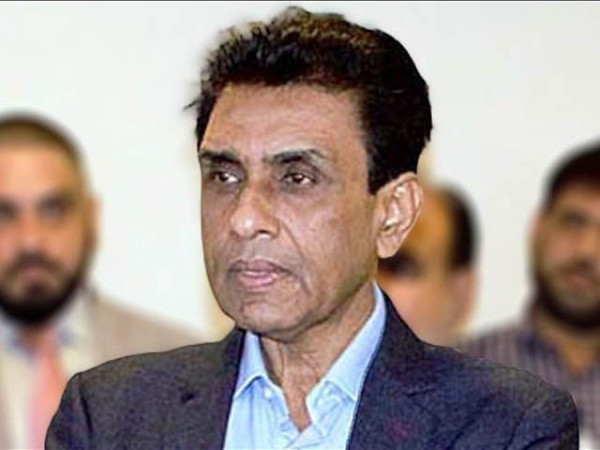
Khalid Maqbool Siddiqui Defends MQM Pakistan at Karachi Dialogue
Khalid Maqbool Siddiqui, MQM Pakistan, Karachi, The Azb, Article 140A, Local Government, Sindh Government, Karachi Development
The Karachi Dialogue event brought together political leaders, analysts, economists, and public policy voices to discuss long-standing urban challenges in Pakistan’s economic center. The Karachi Dialogue, organized under MQM Pakistan, focused on governance, local government, public services, and administrative reforms.
Participants discussed issues including economic management, education, healthcare conditions, and land digitalization. Moreover, speakers emphasized the need for institutional improvements to address the city’s long-term concerns.
Khalid Maqbool Siddiqui Defends MQM
During his address, MQM Pakistan Chairman Dr. Khalid Maqbool Siddiqui defended his party’s political record and questioned criticism directed toward the organization.
He stated that several allegations historically linked to MQM, including references to major incidents and criminal accusations, had not been proven against the party in courts. He also argued that political opposition affected public perception of MQM’s role in Karachi.
Additionally, he highlighted development initiatives that he said were carried out during periods associated with the party’s local governance influence.
MQM Pakistan Highlights Urban Governance
Khalid Maqbool Siddiqui discussed governance models and argued for greater administrative authority at the local level. According to his remarks, urban areas require stronger institutional structures to improve public service delivery.
He also referred to census-related concerns and questioned the allocation and use of public financial resources over recent years. Furthermore, he stated that administrative reforms should remain within the constitutional framework.
During the discussion, he reiterated support for forming a new administrative province focused on urban areas and described it as a policy debate rather than a constitutional departure.
Karachi Dialogue Examines Local Authority
Other speakers at the event raised concerns about Karachi’s infrastructure, governance model, and public institutions.
Analyst Mazhar Abbas reportedly expressed concern over cultural and urban decline while discussing access to public services and educational institutions. Meanwhile, journalist Aamir Zia argued that Karachi’s issues extend beyond local identity and carry national economic significance.
Business representative Muhammad Hassan Bakhshi also spoke about investment concerns and the city’s development priorities.
Article 140A Emerges Central Topic
Dr. Asim Bashir referred to international municipal models and argued that stronger local administration could improve city planning outcomes.
Speakers discussed the implementation of Article 140A and emphasized empowering local institutions with greater administrative and financial authority. At the close of the event, participants broadly agreed that governance reforms and institutional empowerment remain central themes in discussions about Karachi’s future development.