Arts Council Karachi Holds Condolence Reference for Syed Abid Rizvi Legacy
Web Desk June 12, 2026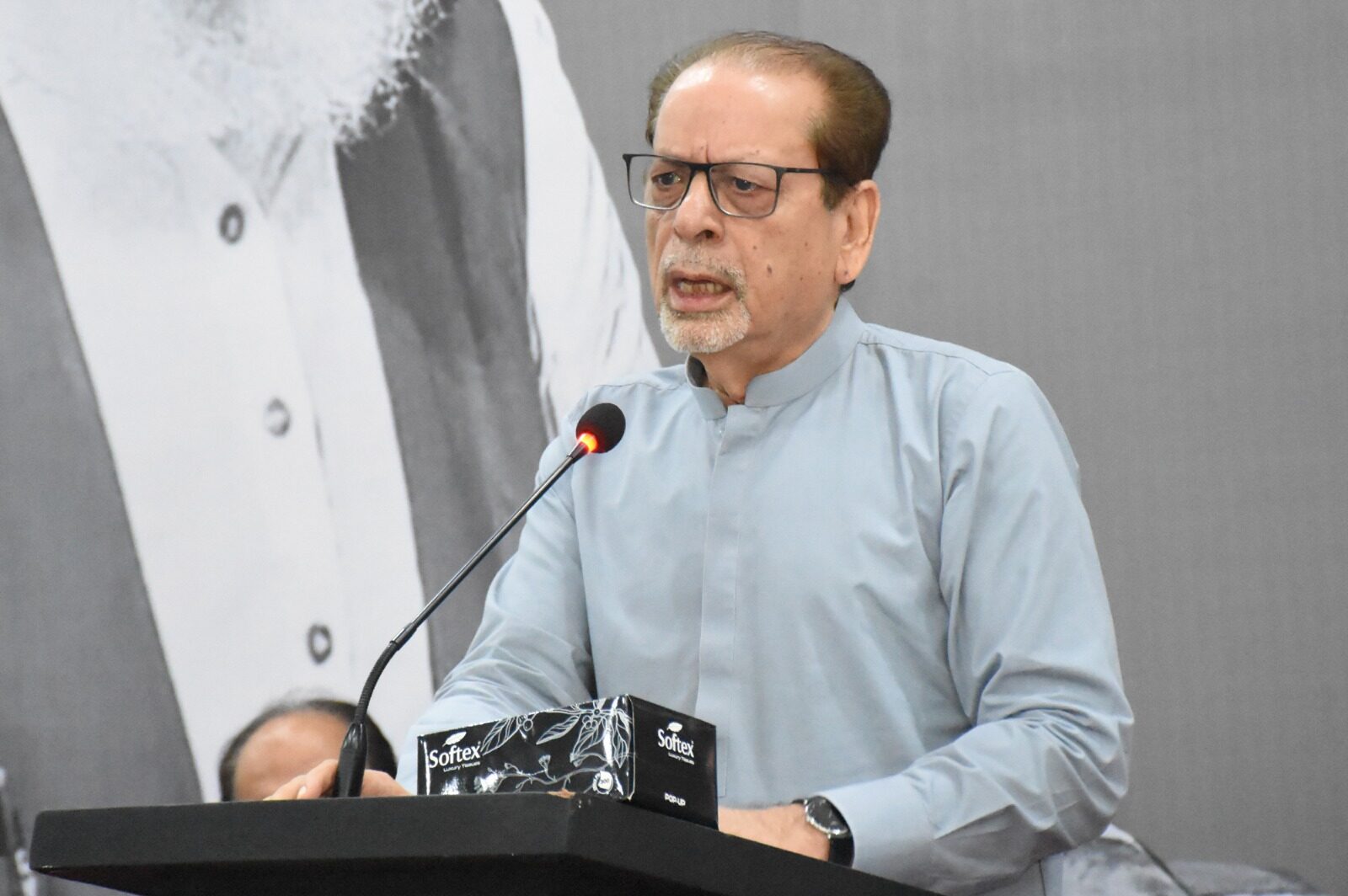
Literary figures pay tribute to Syed Abid Rizvi at Arts Council Karachi.
Karachi — Syed Abid Rizvi was remembered during a condolence reference organized by the Arts Council of Pakistan Karachi at Haseena Moin Hall. The gathering brought together literary personalities, journalists, writers, and social figures to reflect on his contributions to literature, broadcasting, and social service.
The event highlighted the impact of Syed Abid Rizvi on Karachi’s literary community. Participants recalled his dedication to cultural activities, support for literary institutions, and efforts to connect writers and intellectuals across generations.
Muhammad Ahmed Shah on Syed Abid Rizvi
Arts Council President Muhammad Ahmed Shah attended the ceremony as the special guest. He stated that organizing memorial gatherings for respected personalities is always difficult.
According to Shah, Rizvi was known for his compassion, sincerity, and strong spiritual values. He recalled that Rizvi frequently checked on friends and colleagues and offered prayers and encouragement.
Shah further noted that Rizvi maintained a deep connection with literary activities and mushairas. Moreover, he played an important role during the early years of the World Urdu Conference when resources were limited.
He also said that Rizvi was among the founding patron members of the Arts Council and remained closely associated with the institution throughout his life.
Literary Figures Recall Syed Abid Rizvi
Professor Sahar Ansari described Syed Abid Rizvi as an energetic and intellectually refined personality. He stated that Rizvi actively participated in literary gatherings, book launches, and cultural programs with enthusiasm and commitment.
Furthermore, Ansari said that Rizvi helped bring many notable literary figures into mushairas and cultural events. After joining Anjuman Taraqqi-e-Urdu, he reportedly contributed to strengthening the organization and improving its literary environment.
Journalist Hassan Abbas also shared his memories of Rizvi. He stated that they shared a relationship based on respect and affection.
According to Abbas, Rizvi remained deeply engaged in reading and writing. He often shared his thoughts and articles with friends and encouraged people to focus on positive qualities while promoting forgiveness and goodwill.
Dr. Fatima Hassan Reflects on Syed Abid Rizvi
Renowned poet Dr. Fatima Hassan said that Syed Abid Rizvi was a sincere friend and trusted companion. She recalled that their association began through literary activities in 1988 and later developed into a close friendship.
She stated that they worked together at numerous literary events and traveled together on several occasions. In addition, she remembered his support during difficult times and described him as a caring and dependable individual.
Dr. Hassan also noted that Rizvi rendered valuable services to Anjuman Taraqqi-e-Urdu and achieved success in different areas of life.
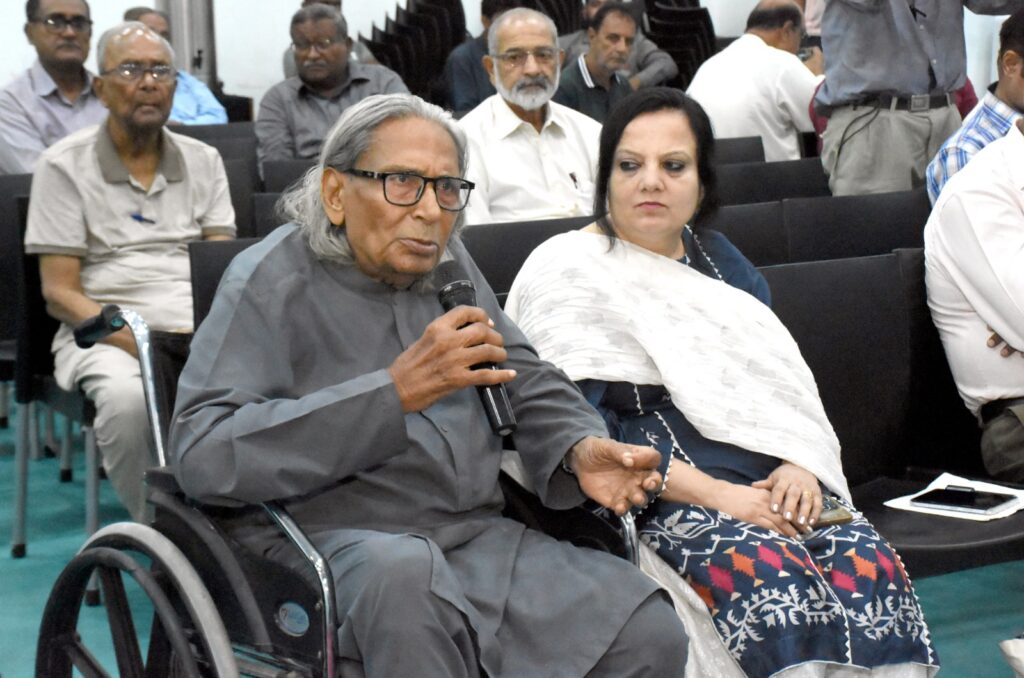
Family Shares Memories of Syed Abid Rizvi
Syed Sohail Rizvi, son of the late Syed Abid Rizvi, spoke about his father’s devotion to knowledge, literature, and community service.
He stated that Rizvi encouraged learning and regularly supported students. Moreover, helping people and guiding them remained a natural part of his personality throughout his life.
Sohail Rizvi thanked Muhammad Ahmed Shah and the Arts Council team for organizing the memorial gathering and honoring his father’s legacy.
Anjuman Taraqqi-e-Urdu and Syed Abid Rizvi
Owais Adeeb Ansari said that Syed Abid Rizvi played a significant role in strengthening Anjuman Taraqqi-e-Urdu and helping establish it as a respected literary institution.
He further observed that Rizvi reflected the traditions of courtesy, hospitality, and cultural refinement associated with Lucknow. According to Ansari, individuals who combine sincerity, affection, and respect for humanity are increasingly rare.
The condolence reference concluded with participants remembering Rizvi’s literary contributions, social service, and commitment to cultural development. His colleagues and friends stated that his work and values will continue to inspire future generations within Pakistan’s literary community.