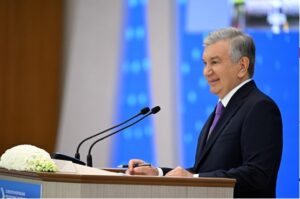
US Defence Secretary Pete Hegseth used a D-Day anniversary speech in Normandy to criticise European migration policies, drawing attention to one of the continent’s most debated political issues. His remarks linked modern migration challenges to broader concerns about security and national identity.
The comments quickly generated discussion because migration remains a key issue across Europe. Moreover, several governments continue to face pressure over border control, asylum policies, and irregular migration routes.
Pete Hegseth Links Migration To Security
Speaking during commemorations marking the Allied landings in Normandy, Pete Hegseth said some European nations were facing what he described as an “invasion” through migration.
According to his speech, different European coastlines are now confronting challenges that he believes threaten stability. He specifically referenced countries including Spain, Italy, Greece, and Bulgaria.
Furthermore, Hegseth questioned when European capitals would take stronger action to address migration concerns. His remarks echoed positions frequently expressed by members of the Trump administration.
Normandy Ceremony Highlights Pete Hegseth Message
The ceremony marked 82 years since Allied forces landed on the beaches of Normandy during World War II. The operation helped liberate Nazi-occupied regions of north-western Europe and remains one of history’s most significant military campaigns.
During his address, Pete Hegseth argued that European nations must continue defending the freedoms secured through past sacrifices. He stated that freedom requires ongoing commitment from current leaders and security institutions.
As a result, his speech connected historical remembrance with contemporary political and security debates.
JD Vance And Migration Debate Intensifies
Hegseth’s comments followed recent statements by US Vice-President JD Vance, who also criticised migration policies in Europe.
Vance recently linked migration concerns to the fatal stabbing of British student Henry Nowak in Southampton. However, the remarks prompted criticism from British officials.
Meanwhile, the UK government responded by warning against outside attempts to influence domestic democratic discussions. Officials also noted that the victim’s family did not want the tragedy used to create further division.
Donald Trump Migration Views Remain Central
Migration has remained a major focus of the administration of Donald Trump. The president has repeatedly argued that uncontrolled migration creates economic and social challenges.
Previously, Trump criticised European immigration policies and warned about the long-term impact of migration trends. Additionally, the administration’s National Security Strategy reportedly argued that current demographic and migration patterns could significantly reshape Europe over the coming decades.
Domestically, immigration enforcement has remained a central policy objective. Consequently, federal agencies have increased immigration-related operations since early 2025.
Europe Migration Pressures Continue
Migration remains a significant political issue across Europe. Several parties supporting stricter immigration measures have gained support in recent elections and opinion polls.
Sea arrivals into Europe reached their highest levels during the 2015 migration crisis, when more than one million people crossed the Mediterranean. Although arrivals have declined from those peaks, migration continues to influence political debates throughout the region.
At the same time, governments face the challenge of balancing border security, humanitarian obligations, and economic needs. Therefore, discussions surrounding migration policy are likely to remain prominent across Europe and beyond.
Pete Hegseth Remarks Renew Migration Discussion
The comments by Pete Hegseth have added another dimension to ongoing debates about migration and border security in Europe.
While supporters argue that stronger controls are necessary, critics contend that migration discussions require balanced and evidence-based approaches. Nevertheless, Hegseth’s remarks during a historic D-Day commemoration ensured that migration once again became a focal point of international political discussion.