Arts Council Karachi Pays Tribute to Asif Farrukhi on Sixth Death Anniversary
KARACHI: The Arts Council of Pakistan Karachi organized a commemorative event at the Josh Malihabadi Library to mark the sixth death anniversary of renowned fiction writer, translator, editor, and scholar Asif Farrukhi. The gathering brought together leading literary figures, writers, poets, academics, and admirers to celebrate his remarkable contributions to literature and cultural dialogue.
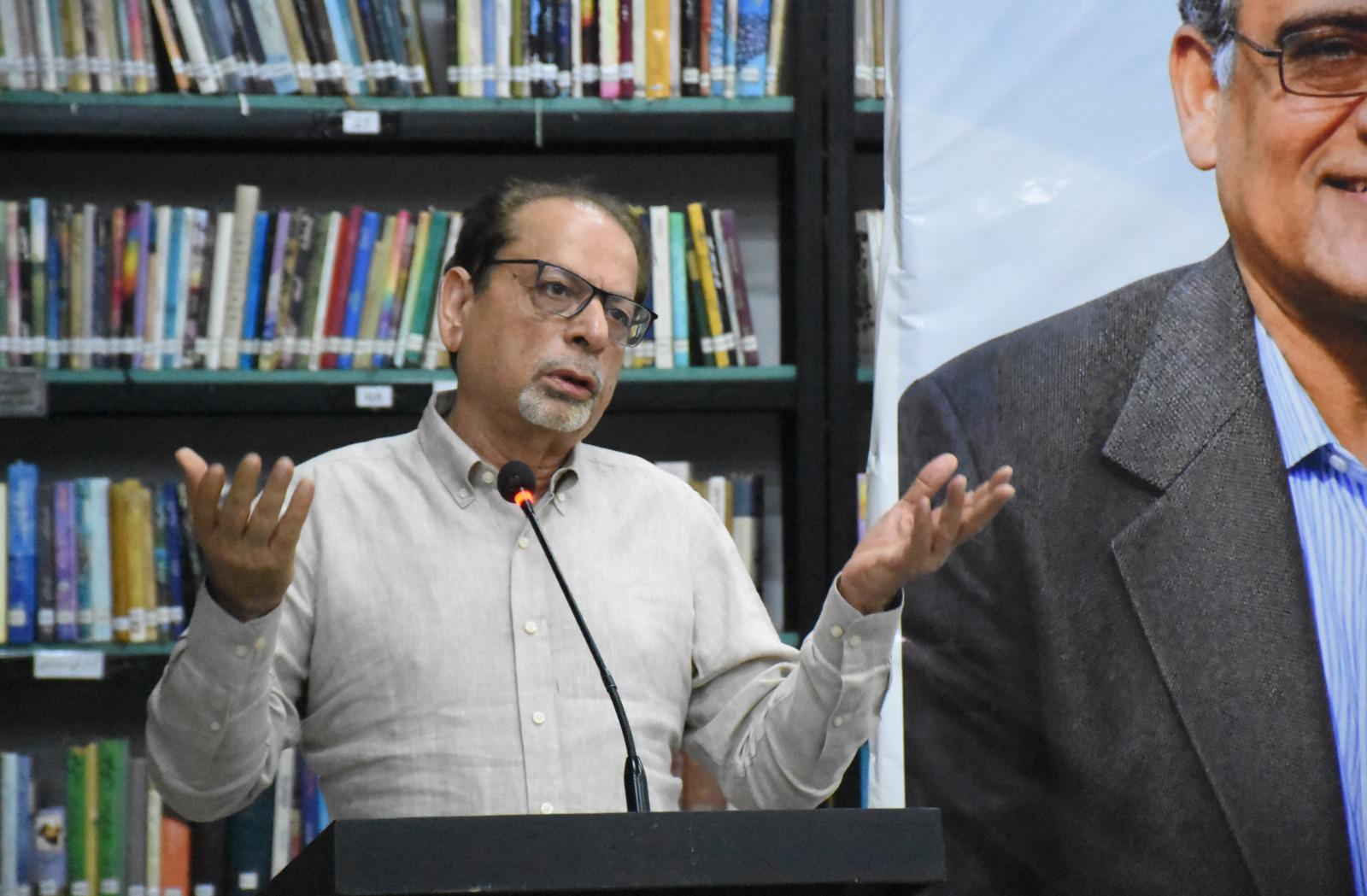
KARACHI: The Arts Council of Pakistan Karachi organized a commemorative event at the Josh Malihabadi Library to mark the sixth death anniversary of renowned fiction writer, translator, editor, and scholar Asif Farrukhi. The gathering brought together leading literary figures, writers, poets, academics, and admirers to celebrate his remarkable contributions to literature and cultural dialogue.
Mondelez Pakistan and NOWPDP Launch Culinary Skills Program for Persons with Disabilities
The event was presided over by veteran poet Zehra Nigah. Distinguished speakers included Muhammad Ahmed Shah, Noor ul Huda Shah, Dr. Fatima Hasan, Pirzada Salman, Ameena Saiyid, and several other prominent members of Pakistan’s literary community.
Zehra Nigah Recalls a Deep Personal Bond
In her presidential address, Zehra Nigah described Asif Farrukhi as more than a literary figure. She said he was like a younger brother and an integral part of her extended family.
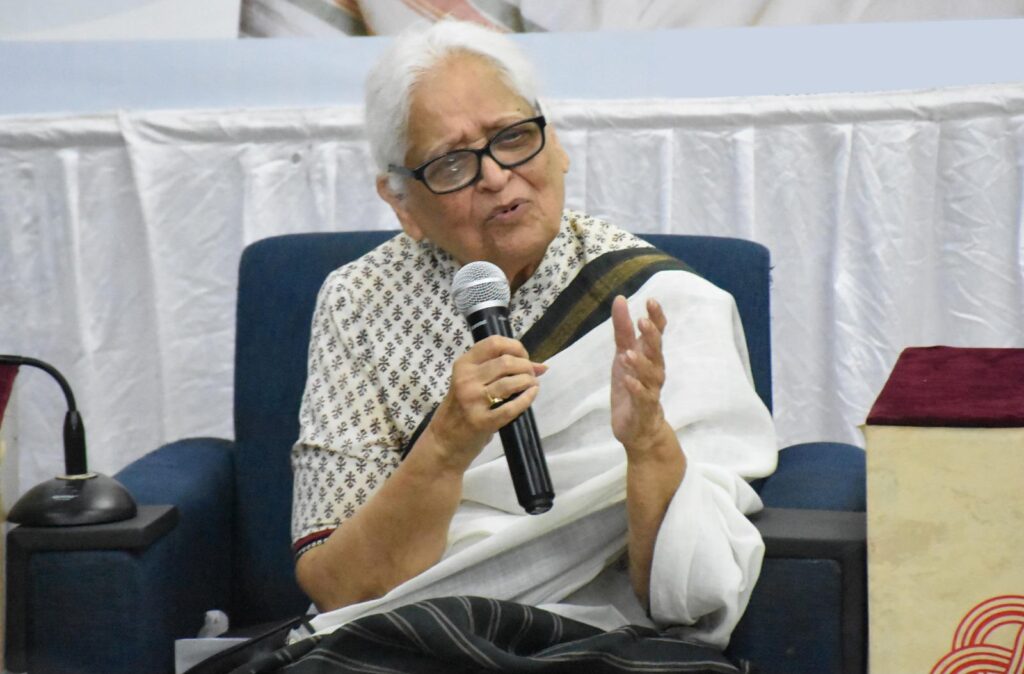
She fondly recalled a memorable journey from Lahore to Faisalabad with Farrukhi and Intizar Hussain. According to her, discussions on literature, poetry, history, and culture made the trip unforgettable.
She remembered Farrukhi as a rare blend of affection, knowledge, friendship, and humanism.
Ahmed Shah Highlights Farrukhi’s Lasting Legacy
Muhammad Ahmed Shah said Asif Farrukhi’s contributions extended far beyond the traditional roles of writer, translator, editor, or publisher.
He noted that Farrukhi’s greatest achievement was his ability to connect writers from different cities, languages, and generations. According to Shah, the impact he left on Pakistan’s literary landscape will continue to inspire future generations.
International Literary Figures Join Tribute
Indian novelist Khalid Javed joined the event through a video link from New Delhi. He described his relationship with Asif Farrukhi as both literary and personal.
Javed noted that several of his works were published in Pakistan through Farrukhi’s efforts. He praised Farrukhi’s extensive reading habits and his dedication to introducing regional and international literature to Urdu readers through translation.
Meanwhile, renowned critic and fiction writer Nasir Abbas Nayyar also participated virtually. He described Farrukhi as a multidimensional literary personality whose work in fiction, criticism, translation, editing, and literary festivals had a lasting influence on contemporary literature.
Contributions to Translation and Cultural Dialogue
Speakers highlighted Farrukhi’s role in translating important works from American, Latin American, European, South Asian, and Pakistani literature into Urdu.
Noor ul Huda Shah noted that he acted as a bridge between languages and cultures, helping strengthen literary ties between Sindhi and Urdu writers.
Other speakers emphasized his commitment to promoting literary exchange, cultural understanding, and intellectual engagement across diverse communities.
Remembered as Mentor and Friend
Several participants shared personal memories of Farrukhi’s generosity and encouragement toward emerging writers.
Akhlaq Ahmed remembered him as a cheerful and supportive friend. Shah Muhammad Pirzada highlighted his keen interest in Sindhi literature and modern Sindhi poetry.
Pirzada Salman recalled that Farrukhi was among the first individuals to recognize and encourage his literary talent. Tariq Aslam described him as a mentor, friend, teacher, and role model whose passion for reading and learning was extraordinary.
A Lasting Place in Pakistan’s Literary History
Other speakers, including Iqbal Khurshid, Kashif Raza, Ambreen Haseeb Amber, Hoori Noorani, Dr. Fatima Hasan, and Afzal Ahmed Syed, paid tribute to Farrukhi’s intellectual depth, humility, and lasting impact on Urdu literature.
The participants unanimously agreed that Asif Farrukhi’s contributions to fiction, translation, literary festivals, and cultural dialogue have secured him a permanent place in Pakistan’s literary history.
The event concluded with a collective acknowledgment of his enduring legacy and his role in shaping contemporary Urdu literature through scholarship, creativity, and cultural engagement.