
Ishaq Dar Expresses Hope for Permanent US-Iran Ceasefire, Highlights Pakistan’s Mediation Role
Web Desk May 6, 2026ISLAMABAD: Deputy Prime Minister and Foreign Minister Ishaq Dar has expressed optimism that the ongoing temporary ceasefire between the United States and Iran will evolve into a permanent peace agreement, emphasizing Pakistan’s continued diplomatic efforts in this regard.
ISLAMABAD: Deputy Prime Minister and Foreign Minister Ishaq Dar has expressed optimism that the ongoing temporary ceasefire between the United States and Iran will evolve into a permanent peace agreement, emphasizing Pakistan’s continued diplomatic efforts in this regard.
Pakistan Navy Reviews Maritime Security as Admiral Naveed Ashraf Chairs Command & Staff Conference
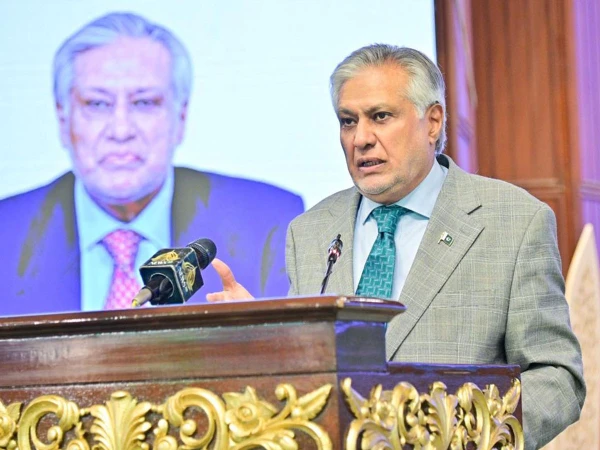
Speaking at the sixth International Paigham-e-Islam Conference organized by the Pakistan Ulema Council in Islamabad, Ishaq Dar said Pakistan is actively working to ensure that the current truce transitions into a lasting ceasefire.
He stressed the importance of unity within the Muslim world, noting that global challenges require collective leadership and coordination among scholars and policymakers to maintain cohesion within the Ummah.
Highlighting key geopolitical issues, Dar reiterated that disputes such as Palestine and Indian Illegally Occupied Jammu and Kashmir remain top priorities for Pakistan. He stated that lasting peace in South Asia is contingent upon resolving the Kashmir issue in accordance with United Nations resolutions and the aspirations of the Kashmiri people through a referendum.
The foreign minister also revealed Pakistan’s active diplomatic role following the escalation between Iran and Israel, noting that Islamabad helped facilitate direct dialogue between Washington and Tehran—marking a significant shift from previously indirect negotiations often mediated through Oman.
According to Dar, Pakistan participated directly in the negotiations at the request of both parties, with Prime Minister Shehbaz Sharif assigning the responsibility to him, Field Marshal Asim Munir, and National Security Adviser Asim Malik. He said the team engaged in extensive discussions lasting over 21 hours without interruption, contributing to the cessation of hostilities.
He noted that prior to the ceasefire, daily attacks had resulted in significant casualties across the region. Pakistan’s diplomatic intervention, he said, helped halt the escalation and reduce loss of life.
Dar further reaffirmed Pakistan’s commitment to the security of Makkah and Madinah, stating that safeguarding the holy sites remains a unified national priority. He also referenced Pakistan’s strategic defense cooperation with Saudi Arabia, underlining that any threat to the Kingdom would be taken seriously.
Concluding his remarks, the deputy prime minister emphasized that Pakistan will continue its diplomatic efforts to strengthen unity among Muslim countries and ensure lasting peace in the region.