Rs3.2 Trillion Housing Scheme Faces Constitutional Questions Over Interest-Based Loans
Rs3.2 Trillion Housing Scheme Faces Constitutional Questions Over Interest-Based Loans
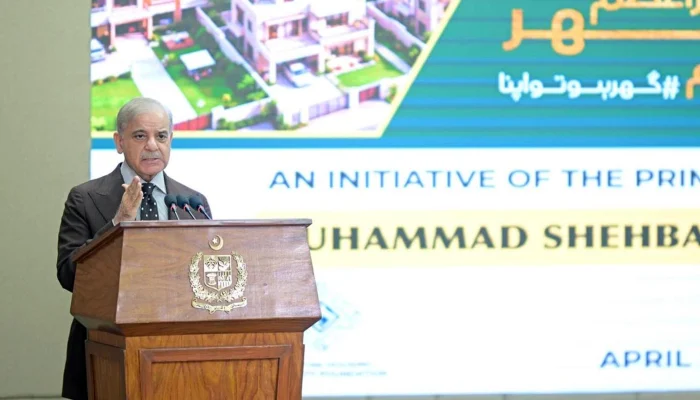
ISLAMABAD: The federal government’s newly launched Rs3.2 trillion housing finance initiative is facing scrutiny over potential constitutional conflicts, as it continues to rely on interest-based lending despite a binding deadline to eliminate Riba from Pakistan’s financial system by January 1, 2028.
Meryl Streep Criticizes Marvel Films, Calls Modern Cinema “Boring”
Official sources have raised concerns that the structure and timeline of the scheme contradict constitutional requirements. The five-year programme, introduced by Prime Minister Shehbaz Sharif under the Apna Ghar Programme, includes an allocation of Rs321 billion in its first year to support 50,000 housing units, with a total target of 500,000 units nationwide.
However, analysts point out that the plan’s duration extends beyond the 2028 deadline, meaning new interest-based loans will continue to be issued even after the constitutional cutoff. Additionally, each loan carries a repayment period of up to 20 years, effectively locking borrowers into interest-based obligations well beyond the mandated timeline.
The scheme offers loans of up to Rs10 million, with a fixed markup rate of 5% for the first 10 years, after which market-based rates will apply. Critics argue that this structure not only maintains but potentially expands reliance on conventional interest-based banking at a time when the state is required to transition toward Shariah-compliant financial systems.
Sources suggest that the constitutional implications of the programme may not have been fully considered during its design. Efforts to obtain comments from Information Minister Attaullah Tarrar were unsuccessful.
Speaking at the launch ceremony, which was attended by senior officials including Ishaq Dar, the prime minister described the initiative as a “sacred obligation” aimed at providing affordable housing to low-income citizens while stimulating economic growth and job creation.
The scheme will be implemented across all provinces, as well as in Azad Jammu and Kashmir and Gilgit-Baltistan.
Despite its economic objectives, experts warn that unless the programme is restructured to align with interest-free or Islamic financing models, it could face significant legal and constitutional challenges as the 2028 deadline approaches.
The debate highlights the broader challenge of balancing economic development initiatives with constitutional and religious mandates in Pakistan’s financial system.