Justice Babar Sattar Warns Judicial Transfers Threaten Independence, Raises Concerns Over Constitutional Integrity
Justice Babar Sattar Warns Judicial Transfers Threaten Independence, Raises Concerns Over Constitutional Integrity
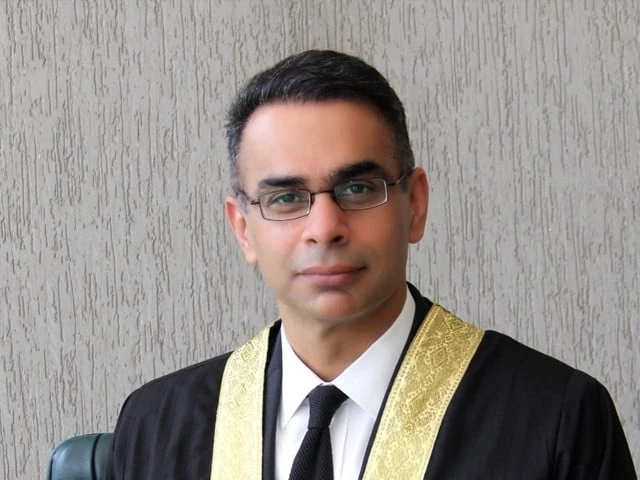
ISLAMABAD: Justice Babar Sattar of the Islamabad High Court, recently transferred to the Peshawar High Court, has strongly cautioned that the transfer of judges could seriously undermine judicial independence in Pakistan, warning that such actions may create a “chilling effect” on the remaining autonomy of the judiciary.
Court of Appeal Rejects Brenton Tarrant’s Bid to Overturn Christchurch Mosque Shooting Convictions
In a detailed letter addressed to the Judicial Commission of Pakistan (JCP), Justice Sattar requested a personal hearing before the approval of his transfer. However, his request was not taken up by the commission prior to the decision.
He expressed concern that the use of judicial transfers under constitutional provisions could be “weaponised” to pressure judges into compliance, warning that such practices may encourage “impunity, chicanery, and mediocrity” within the judicial system.
Justice Sattar argued that amendments to Articles 200 and 209 of the Constitution could be misused as tools to influence judicial conduct, adding that judges might face indirect pressure through the threat of transfers or consequences for non-compliance.
In his remarks, he stated that even during authoritarian regimes in Pakistan’s history, such mechanisms for transferring judges were not employed in this manner. He warned that the current approach could set a dangerous precedent, potentially turning the judiciary into an institution vulnerable to external influence.
The judge further noted that judicial history contains examples where courts, under pressure, invoked the “doctrine of necessity,” cautioning against repeating such patterns that weaken constitutional governance.
Justice Sattar emphasised that judges are bound by oath to deliver justice “without fear or favour,” but argued that instability in tenure could compromise this principle by placing them under constant institutional pressure.
He also referenced concerns raised by six Islamabad High Court judges in a previous letter to the Supreme Judicial Council regarding alleged interference by state institutions in judicial affairs, suggesting that the current developments must be viewed in that broader context.
While acknowledging that his own transfer might personally be a “blessing in disguise,” he stressed that the wider implications for judicial independence are deeply troubling and could damage institutional integrity.
Concluding his letter, Justice Sattar stated that although he disagreed with the rationale behind the transfers and believed they may be based on questionable considerations, he would abide by whatever decision the Judicial Commission ultimately renders.
The matter has reignited debate over judicial independence and the balance of power between constitutional institutions in Pakistan.