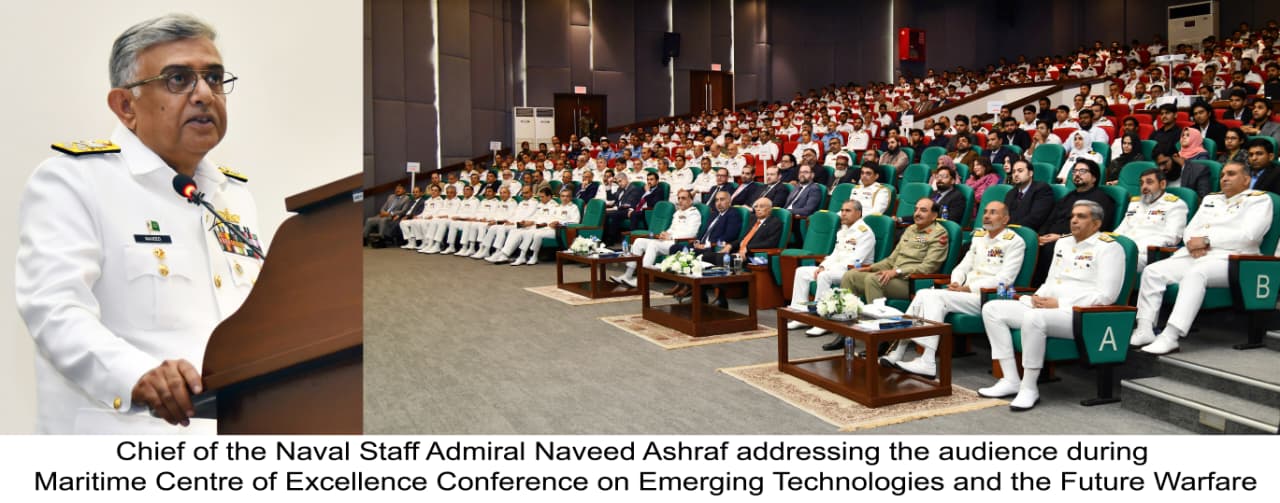
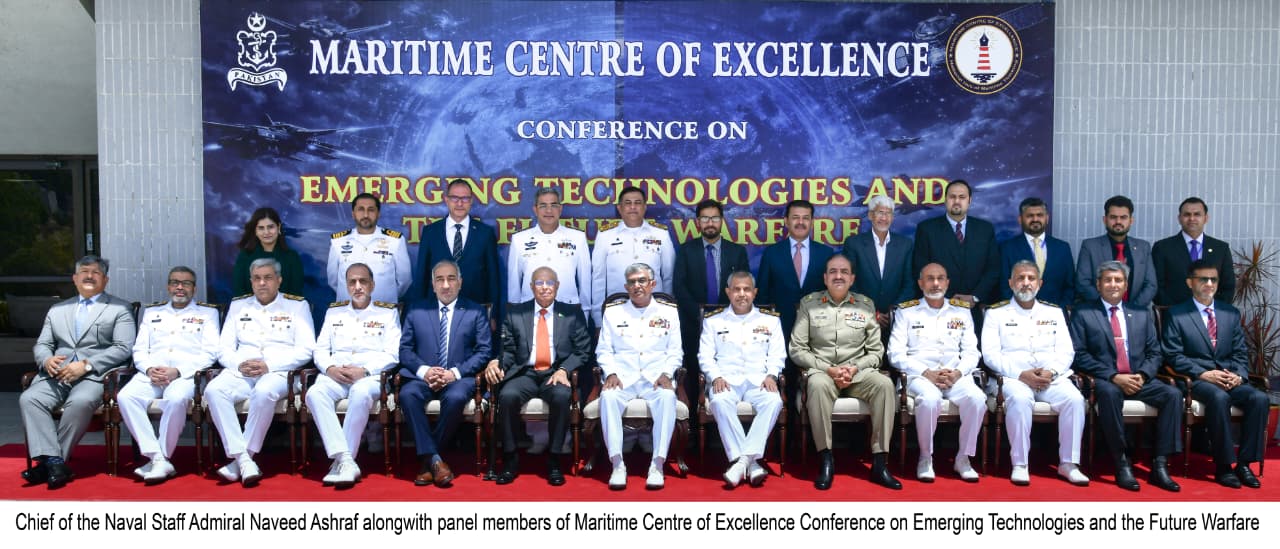
KARACHI: A two-day international conference on “Emerging Technologies and the Future Warfare,” hosted by the Maritime Centre of Excellence (MCE), concluded in Karachi, bringing together maritime experts, academia, defence industry representatives, policymakers, and students to discuss evolving geostrategic dynamics and the growing influence of technology on modern warfare.
UK and Bangladesh Strengthen Education Cooperation Ahead of Education World Forum 2026 in London
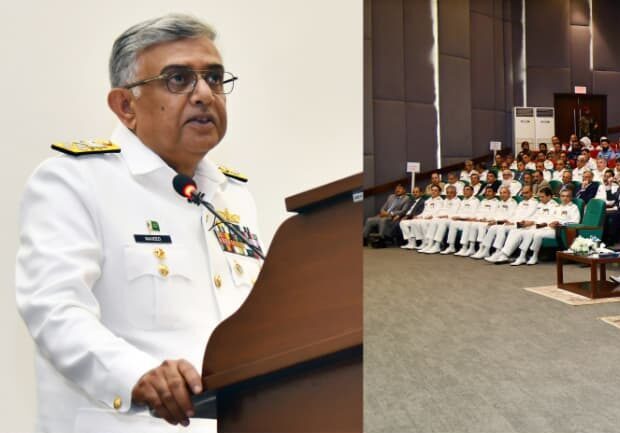
Chief of the Naval Staff Admiral Naveed Ashraf, NI, NI (M), T Bt, graced the event as Chief Guest and underscored the critical importance of collaboration between industry, academia, and end-users in driving innovation, operational readiness, and technological adaptability in defence systems.
Addressing the conference, the Naval Chief emphasized that strong institutional synergy is essential for promoting indigenization and self-reliance in Pakistan’s defence sector. He noted that such cooperation would help develop a cost-effective, globally competitive defence ecosystem with potential for future exports.
He further highlighted the strategic significance of the Indian Ocean region, describing it as a central arena where the future of maritime warfare is being shaped. He pointed out that the region plays a vital role in global trade routes, and any disruption could have far-reaching consequences on supply chains, energy markets, and the global economy.


The conference also shed light on the increasingly blurred boundaries between civilian and military applications of emerging technologies, noting that advancements in areas such as artificial intelligence, cyber capabilities, and autonomous systems are reshaping operational doctrines, force structures, and battlefield outcomes.
Participants emphasized that rapid technological transformation is redefining the nature of warfare, creating both opportunities and challenges for Pakistan’s defence ecosystem, particularly in terms of preparedness, innovation, and strategic response.
The event was attended by senior military leadership, diplomats, policymakers, academic experts, industry stakeholders, and students from various universities. It concluded with a collective call for sustained intellectual and institutional collaboration to better understand and harness future trends in technology-driven warfare.