Supreme Court of Pakistan Declares Breakthrough in Digital Justice System, Expands Virtual Hearings and Automation Reforms
Web Desk April 22, 2026Islamabad: The Supreme Court of Pakistan on Wednesday announced what it described as a major milestone in judicial reform, stating that it has established a new benchmark in the delivery of “digital justice” through the expanded use of technology, virtual hearings, and automated case management systems.
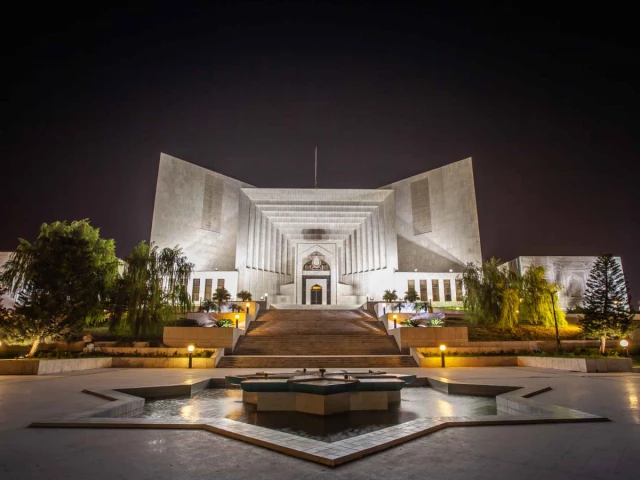
Islamabad: The Supreme Court of Pakistan on Wednesday announced what it described as a major milestone in judicial reform, stating that it has established a new benchmark in the delivery of “digital justice” through the expanded use of technology, virtual hearings, and automated case management systems.
In an official statement, the apex court reaffirmed its commitment to a transparent, efficient, and people-friendly judicial system, highlighting that court proceedings are now being conducted seamlessly across the country using modern digital infrastructure, even under challenging circumstances.
According to the statement, a landmark hearing was conducted with the Islamabad bench presiding in person while lawyers appeared virtually from multiple cities, including Quetta, Karachi, and Hyderabad. Chief Justice of Pakistan Yahya Afridi participated from Islamabad, while Justice Ayesha Malik joined the proceedings remotely from Lahore, demonstrating the growing integration of video-link technology within judicial functions.
The court noted that the full cause list was heard without interruption, with litigants and counsel joining proceedings online from different parts of the country. It added that even during emergency situations, judicial work continued uninterrupted through digital platforms.
One of the key reforms highlighted is the transition from traditional paper-based case files to fully digitised records. The Supreme Court said this shift has significantly reduced dependence on physical documentation from branch registries, improving efficiency and accessibility.
The court further stated that several modern systems have already been implemented, including case barcoding, e-filing, and e-office solutions. These reforms now allow for electronic transmission of judicial orders, enabling near-instant delivery of decisions to relevant parties.
Officials said video-link hearings have helped reduce geographical barriers, lower litigation costs, and improve access to justice for citizens across remote and urban areas alike.
In a separate development, the Supreme Court also announced new standard operating procedures (SOPs) aimed at ensuring uninterrupted judicial functioning during unexpectedly declared public holidays. The SOPs, issued by Chief Justice Yahya Afridi, are designed to maintain continuity in court operations and strengthen case management efficiency.
Under the new framework, urgent civil and criminal matters will be prioritised, including family disputes, bail applications, criminal revisions, cases involving elderly prisoners above 80 years of age, restoration petitions, settlement-related matters, and cases involving simple legal questions.
The court also introduced measures to reduce backlog pressure, directing that at least 40% of cases on each final cause list should consist of the oldest pending matters, including those dating back to 2018.
To improve fairness and logistical coordination, special scheduling facilitation has been introduced for lawyers from Sindh and Balochistan, with their cases placed later in weekly cause lists to accommodate travel constraints.
Looking ahead, the Supreme Court announced plans to introduce an automated case fixation system designed to enhance transparency and reduce discretionary delays. The system will use algorithm-based prioritisation to structure case listings more objectively, alongside weekly and monthly cause lists aimed at improving predictability and judicial workflow.
Officials said these reforms mark a significant shift toward a modernised justice system, aligning Pakistan’s judiciary with global trends in digital governance and court automation.