Trump Extends Iran Ceasefire After PM Shehbaz, Field Marshal Munir’s request
Web Desk April 22, 2026Islamabad/Washington: U.S. President Donald Trump has agreed to extend the ongoing ceasefire with Iran following a formal request from Pakistan’s leadership, including Prime Minister Shehbaz Sharif and Army Chief Asim Munir, providing more time for diplomatic efforts to move forward.
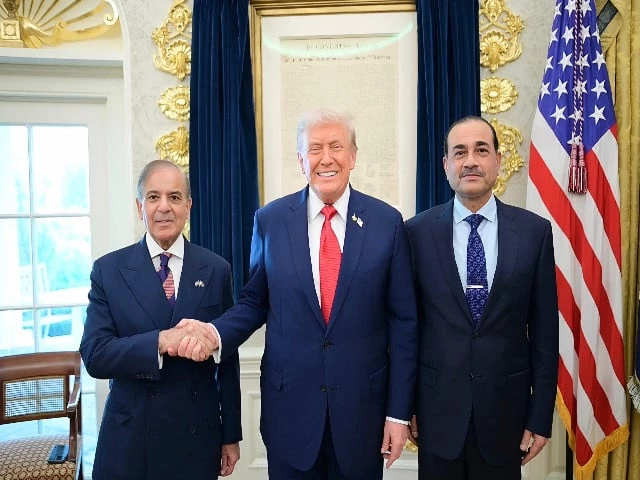
Islamabad/Washington: U.S. President Donald Trump has agreed to extend the ongoing ceasefire with Iran following a formal request from Pakistan’s leadership, including Prime Minister Shehbaz Sharif and Army Chief Asim Munir, providing more time for diplomatic efforts to move forward.
Thermometer swallowed as a child removed from stomach in China.
In a statement posted on Truth Social, Trump said the decision was made in light of the evolving situation in Iran and at Pakistan’s request to allow Tehran to present a unified proposal for negotiations. He added that while the ceasefire would remain in place temporarily, U.S. forces have been directed to maintain full operational readiness and continue enforcement measures, including the maritime blockade.
“I have directed our military to remain ready and able, while extending the ceasefire until Iran submits its proposal and discussions are concluded,” Trump stated.
Prime Minister Shehbaz Sharif welcomed the move, thanking Trump for accepting Pakistan’s request and reaffirming Islamabad’s commitment to facilitating dialogue. He expressed hope that both sides would respect the ceasefire and work toward a comprehensive peace agreement during the expected second round of talks in Islamabad.
Earlier, Information Minister Attaullah Tarar said Pakistan was still awaiting confirmation from Iran regarding its participation in the talks. He emphasized that Pakistan remains in close contact with Iranian authorities and continues to push for a diplomatic resolution.
However, uncertainty persists as Iranian Foreign Ministry spokesperson Esmaeil Baghaei stated that Tehran has yet to make a final decision on attending the negotiations. He also condemned recent U.S. actions against Iranian vessels, calling them violations of international law.
Meanwhile, planned travel by a U.S. delegation to Pakistan—expected to include Vice President JD Vance—has been delayed due to additional policy consultations in Washington, according to U.S. media reports.
Tensions remain high amid continued maritime confrontations, including U.S. boarding of sanctioned vessels and Iran’s claims of successfully bypassing naval restrictions. Tehran has warned it will defend its national interests, while Washington has reiterated its determination to enforce sanctions and prevent Iran from advancing its nuclear capabilities.
Despite earlier hardline remarks by Trump rejecting any extension of the ceasefire, the latest development reflects a temporary shift toward diplomacy, largely influenced by Pakistan’s mediation efforts.
With the ceasefire extended but uncertainties unresolved, the coming days are expected to be critical in determining whether negotiations in Islamabad can lead to a broader and lasting agreement or if the region risks renewed escalation.