Pakistan Awaits Iran Decision as Ceasefire Deadline Looms
Web Desk April 21, 2026Islamabad: Pakistan is still awaiting a formal response from Iran regarding its participation in the proposed second round of peace talks with the United States, as the deadline for a fragile ceasefire draws closer.
Islamabad: Pakistan is still awaiting a formal response from Iran regarding its participation in the proposed second round of peace talks with the United States, as the deadline for a fragile ceasefire draws closer.
Sindh Police Officers Promoted in Rank-Pinning Ceremony at Central Police Office Karachi
Federal Information Minister Attaullah Tarar said on Tuesday that Islamabad remains actively engaged with Tehran through diplomatic channels, emphasizing Pakistan’s role as a mediator committed to de-escalating tensions between the two sides. He noted that the ceasefire is set to expire at 4:50am PST on April 22, making Iran’s decision on participation critical for the continuation of dialogue.
Tarar said Pakistan has made “sincere and consistent efforts” to persuade the Iranian leadership to join the talks, adding that diplomatic engagement is ongoing amid a rapidly evolving regional situation.
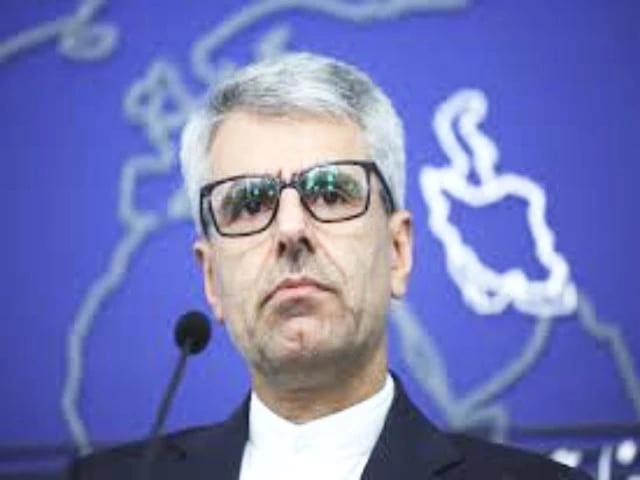
However, uncertainty persists after Iranian Foreign Ministry spokesperson Esmaeil Baghaei stated that Tehran has not yet made a final decision regarding attendance. He also strongly criticized recent U.S. actions against Iranian vessels, describing them as violations of international law and labeling them “piracy at sea,” a development that could further complicate diplomatic efforts.
Iranian state media also reported that no delegation has yet departed for Pakistan, dismissing earlier speculation about imminent participation and indicating that Tehran’s involvement would depend on changes in U.S. conduct.
On the other hand, U.S. President Donald Trump has taken a firm stance, stating that he does not intend to extend the ceasefire and warning that military action could resume if negotiations fail to produce a deal. Despite the tough rhetoric, Washington has expressed optimism that talks will proceed, with reports suggesting that a U.S. delegation, potentially led by Vice President JD Vance, is expected to travel to Islamabad.
The situation is further complicated by rising tensions at sea, where U.S. forces have stepped up enforcement actions against vessels linked to Iran. In response, Iranian authorities have condemned such moves and vowed to defend their national interests, warning that any escalation would have serious consequences.
With both sides maintaining strong positions and the ceasefire deadline approaching, the prospects for the Islamabad talks remain uncertain. Analysts believe the coming hours will be decisive in determining whether diplomacy can prevail or whether the region risks sliding back into confrontation.
Pakistan, meanwhile, continues to position itself as a key diplomatic bridge, seeking to prevent further escalation and promote a negotiated settlement between the two adversaries.