Mian Zahid Hussain Urges Successful Islamabad Peace Talks, Warns of Global Economic Risks Amid Energy Volatility
Web Desk April 20, 2026Prominent business leader Mian Zahid Hussain has welcomed progress in ongoing diplomatic efforts in Islamabad aimed at easing tensions in the broader US–Israel–Iran conflict, while warning that global economic stability depends heavily on the success of the negotiations.
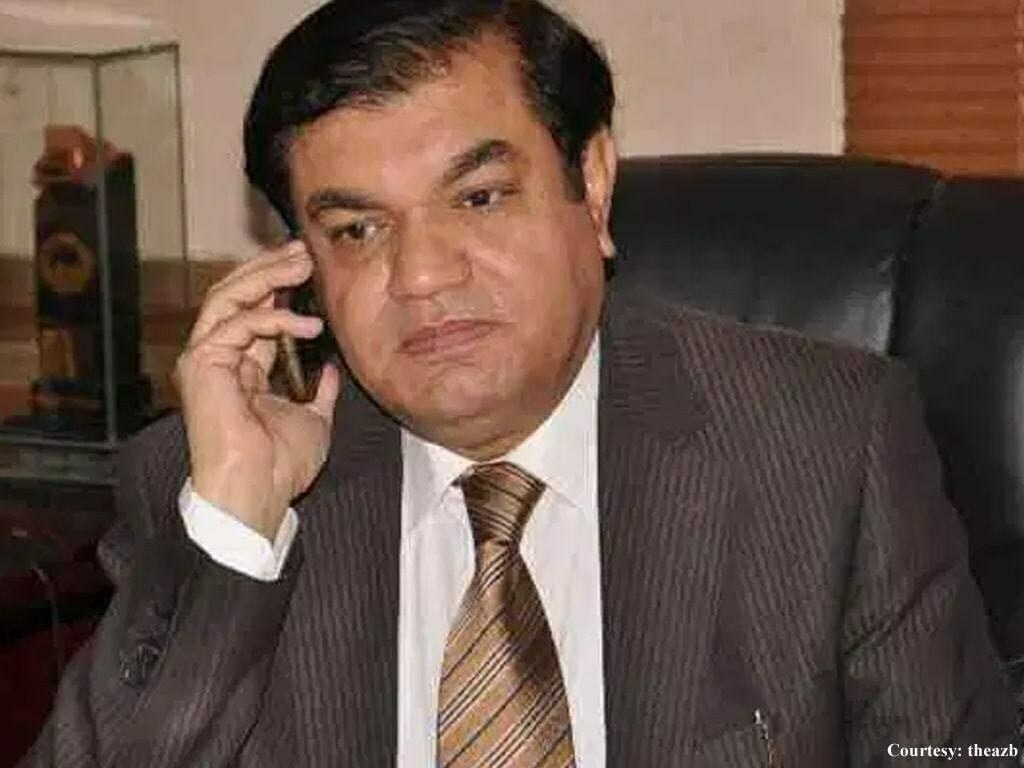
Prominent business leader Mian Zahid Hussain has welcomed progress in ongoing diplomatic efforts in Islamabad aimed at easing tensions in the broader US–Israel–Iran conflict, while warning that global economic stability depends heavily on the success of the negotiations.
SAARC Chamber Secretariat in Pakistan to Boost Regional Trade, Says Rafiq Suleman
Mian Zahid Hussain, who serves as President of the Pakistan Businessmen and Intellectuals Forum and Chairman of the National Business Group Pakistan, said the conditional two-week ceasefire that came into effect on April 8, 2026, has provided temporary relief to a global economy shaken by energy market volatility and geopolitical uncertainty.
He noted that during the height of the conflict, disruptions around the Strait of Hormuz—a key global energy route handling nearly 20% of the world’s petroleum supply—led to sharp increases in oil prices, significantly impacting industrial costs and inflation worldwide, including in Pakistan.
The business leader praised Pakistan’s civil and military leadership for facilitating diplomatic engagement, particularly highlighting the “Islamabad Talks” held at the Serena Hotel Islamabad on April 11–12, 2026. He said the talks marked the first high-level direct contact between the United States and Iran since 1979, representing a major diplomatic breakthrough despite the absence of a final agreement.
He further acknowledged recent high-level regional diplomacy, including engagements by Pakistan’s leadership in key Middle Eastern countries, which he said helped build a broader consensus for de-escalation and stability.
Mian Zahid Hussain also emphasized the importance of continued dialogue, noting that a second round of talks scheduled in Islamabad carries significant global stakes as the ceasefire period nears its end. He urged all parties to prioritize reopening safe maritime passage in the Strait of Hormuz and work toward long-term stability to prevent renewed economic shocks.
He warned that failure to reach a structured agreement could trigger another surge in global inflation, energy instability, and market uncertainty.
Concluding his remarks, he said Pakistan’s emerging role as a diplomatic facilitator enhances its international standing and presents a critical opportunity to contribute to long-term peace and economic stability in the region.