Hormuz Shipping Halts as Iran Tightens Grip
Shipping activity through the Strait of Hormuz came to a standstill on Sunday after Iran reasserted strict control over the critical maritime route, just days before a fragile ceasefire with the United States is set to expire.
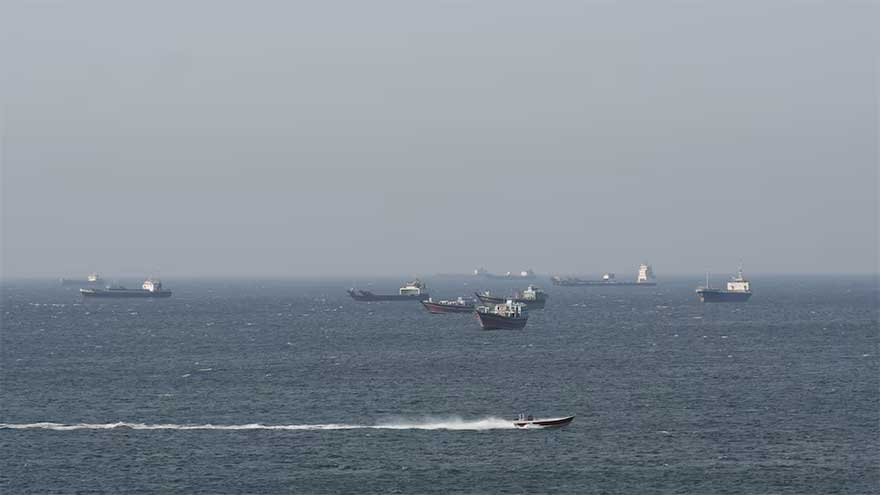
Shipping activity through the Strait of Hormuz came to a standstill on Sunday after Iran reasserted strict control over the critical maritime route, just days before a fragile ceasefire with the United States is set to expire.
Call for Asim Munir’s Nobel Peace Prize Nomination
Maritime data indicated that vessel traffic in the narrow waterway — responsible for carrying roughly one-fifth of global oil supplies — had effectively stopped following renewed tensions. Reports of gunfire targeting at least two ships attempting to transit the strait further heightened fears, prompting several vessels to turn back.
Iran reversed its earlier decision to allow commercial shipping, accusing Washington of violating the ceasefire by maintaining a blockade on Iranian ports. The move has injected fresh uncertainty into already fragile diplomatic efforts aimed at ending the conflict, now in its eighth week.
Despite the escalation, both sides signaled cautious optimism over ongoing talks. Donald Trump said “very good conversations” were underway with Tehran, while Iran’s chief negotiator Mohammad Baqer Qalibaf acknowledged progress but stressed that significant gaps remain, particularly on nuclear issues and control of the strait.
Negotiations hosted in Islamabad — the first direct talks between Washington and Tehran in decades — ended without agreement last week, though preparations for another round appear to be underway. Pakistan has been playing a central mediating role in efforts to broker peace.
Tensions have been further inflamed by strong rhetoric from Iran’s leadership. Supreme Leader Mojtaba Khamenei warned that Iranian naval forces were ready to respond forcefully, while U.S. officials defended their maritime restrictions and hinted at renewed military action if a deal is not reached.
The disruption has raised alarm across global energy markets, with hundreds of vessels reportedly stranded in the Gulf awaiting safe passage. The uncertainty threatens to prolong supply shocks that have already driven oil prices sharply higher since the conflict began in late February.
With the ceasefire deadline approaching, the situation remains highly volatile, as both diplomatic momentum and military posturing continue to shape the trajectory of the crisis.