PHEVs Gain Momentum in Pakistan as Chery Master Crosses 2,000 Bookings
Web Desk April 17, 2026Karachi, April 17, 2026 — Plug-in hybrid electric vehicles (PHEVs) are emerging as the leading choice for early-stage electrified mobility in Pakistan, as structural challenges continue to slow the adoption of fully electric vehicles (EVs), according to industry data and market trends.
Karachi, April 17, 2026 — Plug-in hybrid electric vehicles (PHEVs) are emerging as the leading choice for early-stage electrified mobility in Pakistan, as structural challenges continue to slow the adoption of fully electric vehicles (EVs), according to industry data and market trends.
Erdogan Warns of Global Crisis, Calls for Diplomacy at Antalya Forum
The shift reflects a broader global transition led by China, now the world’s largest car exporter, where new energy vehicles — including hybrids and EVs — are driving rapid expansion in automotive exports.
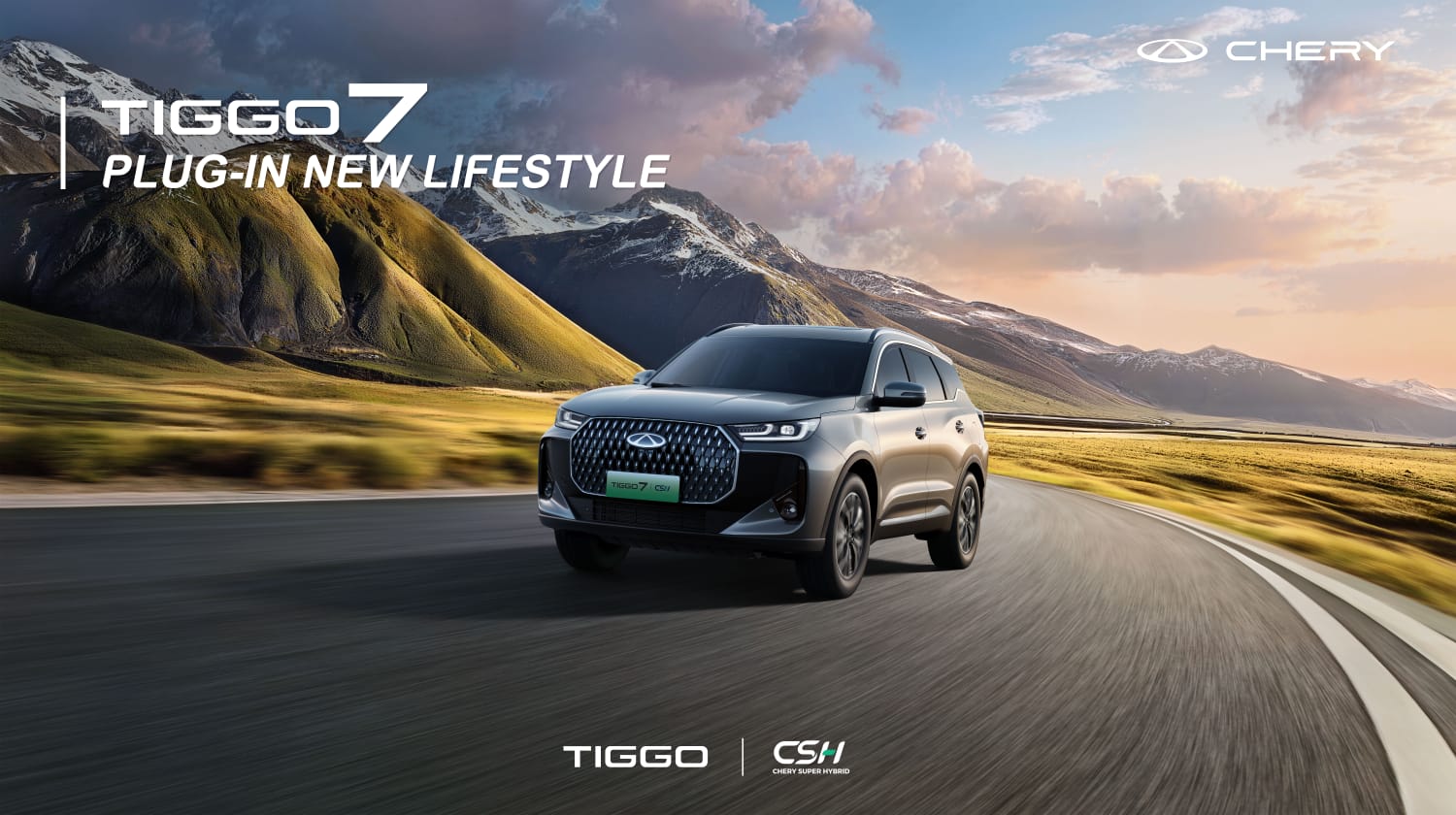
In Pakistan, early market signals indicate growing demand for plug-in hybrid SUVs, with Chery Master Pakistan reporting more than 2,000 bookings for its Tiggo PHEV lineup shortly after launch, according to company officials.
The demand spans multiple segments, including urban commuters and family SUV buyers, with models such as the Tiggo 7, Tiggo 8, and Tiggo 9 gaining particular traction.
Industry analysts attribute the rising preference for PHEVs to fuel economy concerns and practical usability rather than upfront purchase cost alone. With fuel prices remaining high, conventional vehicles continue to impose significantly higher per-kilometre operating costs compared to hybrid alternatives, especially in urban driving conditions.
At the same time, limited charging infrastructure, grid reliability challenges, and range anxiety continue to constrain full EV adoption across the country, particularly outside major metropolitan areas.
This has positioned PHEVs as a transitional technology, offering electric-only driving for short commutes while retaining petrol engines for longer distances — a balance that better suits current market realities.
Market observers note that China’s automotive export strategy increasingly aligns with this hybrid-first transition, enabling broader adoption in markets where EV ecosystems are still developing.
The strong response to PHEV launches in Pakistan’s SUV segment suggests a phased shift toward electrified mobility, where plug-in hybrids are expected to dominate the early adoption cycle in the near to medium term.
Experts say consumer behaviour — shaped by fuel costs, convenience, and infrastructure limitations — will continue to play a decisive role in shaping the country’s automotive future.