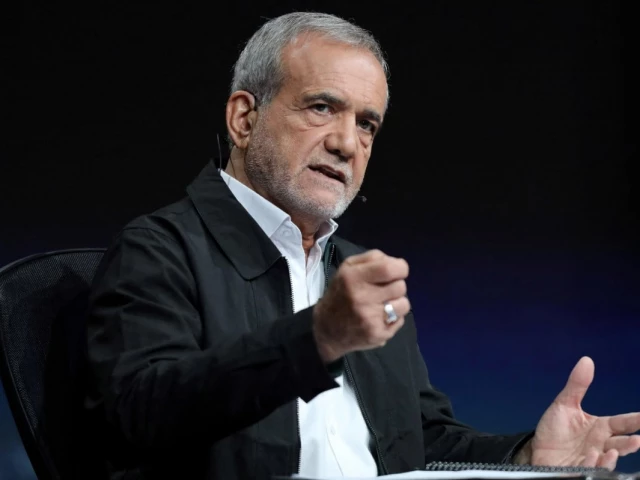
Tensions in the Middle East escalated on Thursday as Israeli airstrikes on Lebanon killed over 250 people, casting doubt on the Pakistan-brokered two-week ceasefire between the United States and Iran. Iranian President Masoud Pezeshkian condemned the attacks on X, calling them a “blatant violation” of the ceasefire and asserting that Iran would not abandon the Lebanese people.
Pakistan, Romania Strengthen Maritime Ties After Landmark KPT–Constan?a MoU
Israel’s Prime Minister Benjamin Netanyahu vowed to continue targeting Hezbollah forces, claiming the strikes were not part of the US-Iran truce. Hezbollah resumed attacks across southern Lebanon, including rocket and drone strikes on Israeli positions.
Iranian negotiators are scheduled to travel to Islamabad for talks with a US delegation led by Vice President JD Vance on Saturday. However, Iran has maintained its blockade of the Strait of Hormuz, threatening global energy supplies. Physical oil prices surged to record highs, approaching $150 per barrel in some markets.
World leaders, including those from Canada, Japan, Spain, and several European nations, have called for the ceasefire to extend to Lebanon. Spain has announced the reopening of its embassy in Tehran to support diplomatic efforts. Pakistan also reiterated that Lebanon should be included in the truce.
The conflict has left more than 3,000 dead in Iran and over 1,700 in Lebanon, with large-scale destruction in Beirut. The strait’s control by Iran continues to disrupt global oil flows, further complicating the fragile peace efforts.