Roshan Economy Package” a Positive Step, but Sustainable Industrial Survival Requires Real Relief in Electricity and Gas Tariffs . Saleem Memon
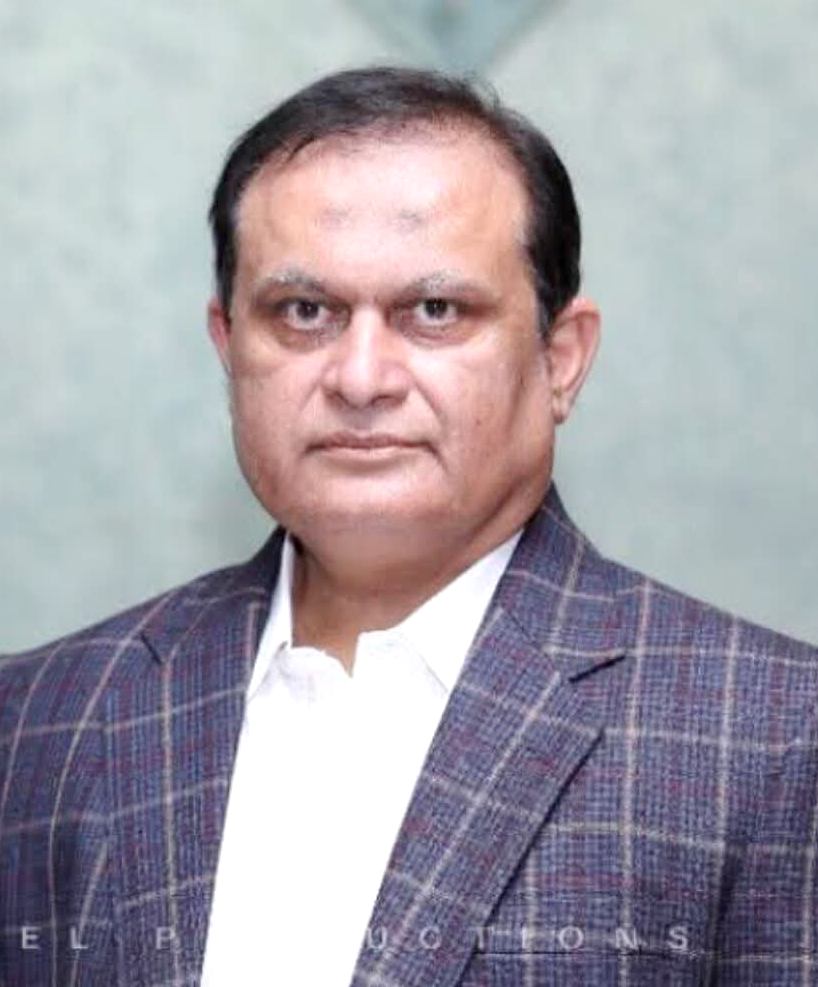
Hyderabad : President Hyderabad Chamber of Small Traders & Small Industry (HCSTSI), Muhammad
Saleem Memon, has welcomed the announcement of the “Roshan Economy Concessional Electricity Package” by
the Prime Minister of Pakistan, Mian Muhammad Shehbaz Sharif, terming it a commendable and encouraging
decision that reflects the government’s commitment to revive industrial and agricultural growth. However, he
emphasized that for the sustainable survival of industries, protection of employment, and reduction in the cost of
doing business, it is essential that the electricity and gas tariffs be reduced to the lowest possible level.
He noted that while the government’s initiative to introduce a concessional rate of Rs. 22.98 per unit for additional
electricity consumption by industrial and agricultural consumers is a positive beginning, the current rates are still too
high to lower production costs. He further stated that the main causes of expensive electricity in Pakistan are the
capacity charges and imbalanced agreements made in the past. Unless these are reviewed and revised, the actual cost
of electricity cannot be reduced, making it increasingly difficult to conduct business in the country.
President Saleem Memon remarked that the continuously rising cost of production has severely affected domestic
industries and weakened Pakistan’s export competitiveness. Therefore, he urged the government to reduce electricity
and gas tariffs to the minimum possible level for industrial consumers and to implement the practical
recommendations already submitted by the Hyderabad Chamber and other business bodies.
He stressed that until capacity charges and contractual burdens are rationalized, electricity will remain unaffordable,
making it nearly impossible for industries—especially small and medium enterprises—to sustain operations. Hence,
the government must prioritize industrial relief to preserve employment and prevent the closure of production units.
Mr. Memon further suggested that the government should initially implement concessional rates in industrial areas,
where the rate of electricity theft is significantly low. This will not only enhance electricity demand but will also
encourage those consumers who have shifted to alternative energy sources to reconnect with the national grid
system. Consequently, government revenue will increase, and the unused additional generation capacity of around
7,000 megawatts will be effectively utilized.
He cautioned that if electricity and gas prices are not reduced substantially, many industrialists will be compelled to
shift towards cheaper renewable and alternative energy sources, which would eventually increase the capacity
payment burden on the government. He stressed that Pakistan’s energy sector can only become sustainable if the
government takes corrective measures to reform the imbalanced agreements made in the past and moves towards a
balanced, industry-friendly energy policy.
The President of the Hyderabad Chamber appreciated the Prime Minister, the Federal Minister for Energy, and the
economic team for this positive initiative, but underscored that long-term industrial growth depends on further
practical relief in energy tariffs, transparent policy measures, and sustainable energy reforms. He assured that the
Hyderabad Chamber of Small Traders & Small Industry would continue to extend full cooperation to the
government in its efforts to build a strong, stable, and productive economy for Pakistan.