US-Iran Talks Stall as Ceasefire Faces Collapse
Web Desk April 20, 2026Tensions between the United States and Iran escalated sharply on Monday as prospects for renewed diplomacy dimmed and the fragile ceasefire appeared increasingly at risk of collapse. Iranian officials signaled there were currently no plans to resume negotiations, accusing Washington of lacking seriousness in pursuing peace and violating ceasefire commitments.
Tensions between the United States and Iran escalated sharply on Monday as prospects for renewed diplomacy dimmed and the fragile ceasefire appeared increasingly at risk of collapse. Iranian officials signaled there were currently no plans to resume negotiations, accusing Washington of lacking seriousness in pursuing peace and violating ceasefire commitments.
Picasso painting worth Rs 280 million sold for just Rs 32,000.
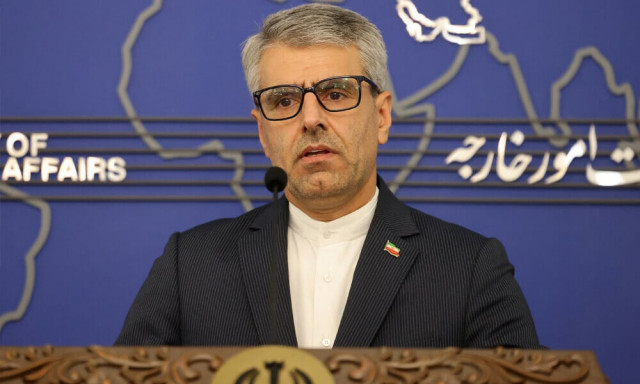
Iranian Foreign Ministry spokesperson Esmail Baghaei stated that continued US “violent actions,” including enforcement of a naval blockade, had undermined trust and derailed diplomatic momentum. A senior Iranian source further emphasized that Tehran’s core defense capabilities, particularly its missile programme, remain non-negotiable.
The latest escalation follows a dramatic maritime confrontation in the Strait of Hormuz, a critical global oil transit route. The US military confirmed it had seized an Iranian-flagged cargo vessel allegedly attempting to breach its blockade near Bandar Abbas after a prolonged standoff. American forces disabled the ship before boarding it, a move strongly condemned by Tehran as “armed piracy.”
US President Donald Trump defended the operation, stating that US forces had taken full control of the vessel and were inspecting its contents. Iran, however, warned of imminent retaliation, with military officials vowing a response to what they described as unlawful aggression.
The incident has further strained already fragile ceasefire conditions, with Iran rejecting participation in a second round of talks that Washington had hoped to initiate before the truce expires. Tehran cited ongoing US pressure tactics, shifting demands, and the blockade as key obstacles to diplomacy.
The situation has also drawn international concern. China criticized the interception of the vessel and urged all parties to avoid escalation and ensure safe passage through the strategic waterway. Chinese officials described the situation as “sensitive and complex,” calling for restraint to stabilize global trade flows.
Global markets reacted swiftly, with oil prices surging and stock markets showing volatility amid fears of prolonged disruption in Gulf shipping lanes. The S&P 500 also reflected uncertainty as investors weighed geopolitical risks tied to energy supply chains.
Iranian officials reiterated that any resolution must include the removal of restrictions on its oil exports. First Vice President Mohammadreza Aref warned that limiting Iran’s exports while expecting regional stability was unsustainable, presenting what he described as a stark choice between a free oil market or broader economic consequences.
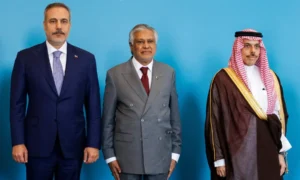
Meanwhile, diplomatic efforts led by Pakistan—which has played a key mediating role—continue amid uncertainty. Preparations in Islamabad for a potential second round of talks are underway, though the likelihood of negotiations proceeding remains unclear.
As the conflict enters its eighth week, it has already triggered one of the most severe shocks to global energy supplies in recent history. With thousands of casualties reported and regional tensions spreading across the Middle East, the window for diplomacy appears to be narrowing rapidly.