Trade Deficit: FPCCI Warns of Widening Gap as Pakistan’s Exports Fall Sharply in June
Business leaders urge urgent policy reforms after June trade deficit reaches $4.53 billion and FY26 deficit climbs to $39.47 billion
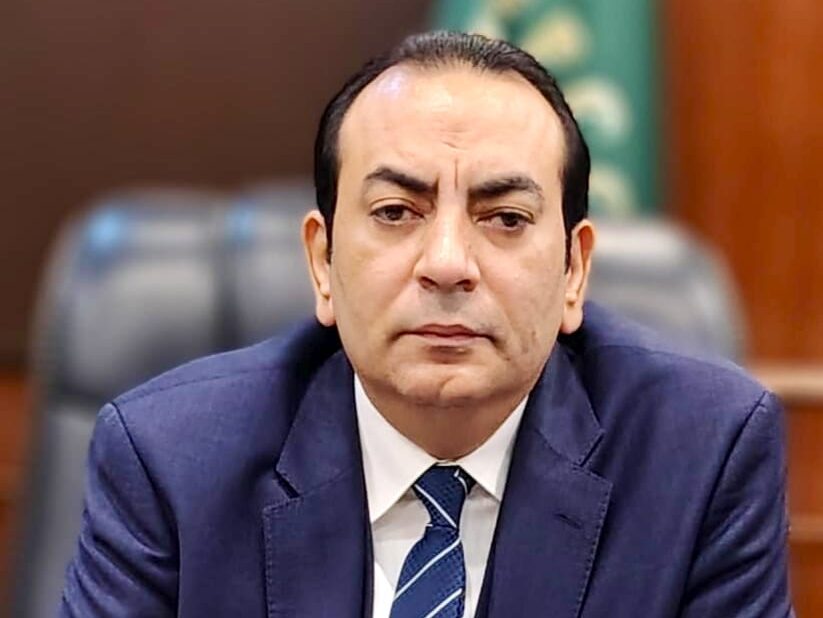
FPCCI President Atif Ikram Sheikh addresses concerns over Pakistan's widening trade deficit.
Pakistan’s trade deficit widened sharply to $4.53 billion in June 2026, prompting the Federation of Pakistan Chambers of Commerce and Industry (FPCCI) to warn that falling exports and rising imports pose a serious threat to the country’s economic stability and foreign exchange reserves.
FPCCI President Atif Ikram Sheikh described the latest trade figures as a warning sign for policymakers, saying Pakistan’s export sector is facing mounting pressure from high production costs, expensive energy, elevated interest rates and an unpredictable tax environment.
Khamenei Funeral: PM Shehbaz, Field Marshal Asim Munir Pay Tribute to Iran’s Late Supreme Leader
According to data released by the Pakistan Bureau of Statistics (PBS), exports fell 16.73% month-on-month to $2.24 billion in June, while imports increased 24.07% to $6.77 billion, widening the monthly trade gap.
Atif Ikram Sheikh said the decline reflects the growing challenges confronting export-oriented industries. He added that rising energy tariffs, costly financing and policy uncertainty have weakened Pakistan’s competitiveness in international markets.
He urged the government to reduce electricity costs, restore the Final Tax Regime (FTR) for exporters and lower the policy interest rate to help industries remain operational and protect export earnings.
The FPCCI also highlighted that Pakistan’s cumulative trade deficit for fiscal year 2025-26 (FY26) reached $39.47 billion, representing a 21.57% increase compared with the previous fiscal year.
Senior Vice President Saquib Fayyaz Magoon said the widening gap between imports and exports is becoming increasingly difficult to sustain and could place additional pressure on Pakistan’s macroeconomic stability.
He called on the government to discourage luxury and non-essential imports while ensuring that exporters have uninterrupted access to raw materials without unnecessary regulatory barriers.
Vice President and Regional Chairman Sindh Abdul Mohamin Khan said manufacturers in Sindh, particularly in Karachi’s industrial zones, are experiencing the greatest impact of the export slowdown.
He said high electricity tariffs, deteriorating infrastructure and rising industrial land costs have significantly increased production expenses, making it difficult for businesses to expand manufacturing capacity.
Abdul Mohamin Khan urged both the federal and provincial governments to remove unnecessary taxes and establish fast-track business facilitation centres across Sindh to reduce operational hurdles for industry.
The FPCCI leadership also called on the Ministry of Finance and the Ministry of Commerce to begin immediate consultations with the business community and formulate a crisis-response strategy aimed at shifting Pakistan’s economy from short-term stabilisation measures towards sustainable export-led growth.