The Cough We Ignore Could It Be an Early Warning of COPD?
A persistent morning cough, wheezing or breathlessness may signal chronic lung disease. Recognising the symptoms early can help protect lung health.
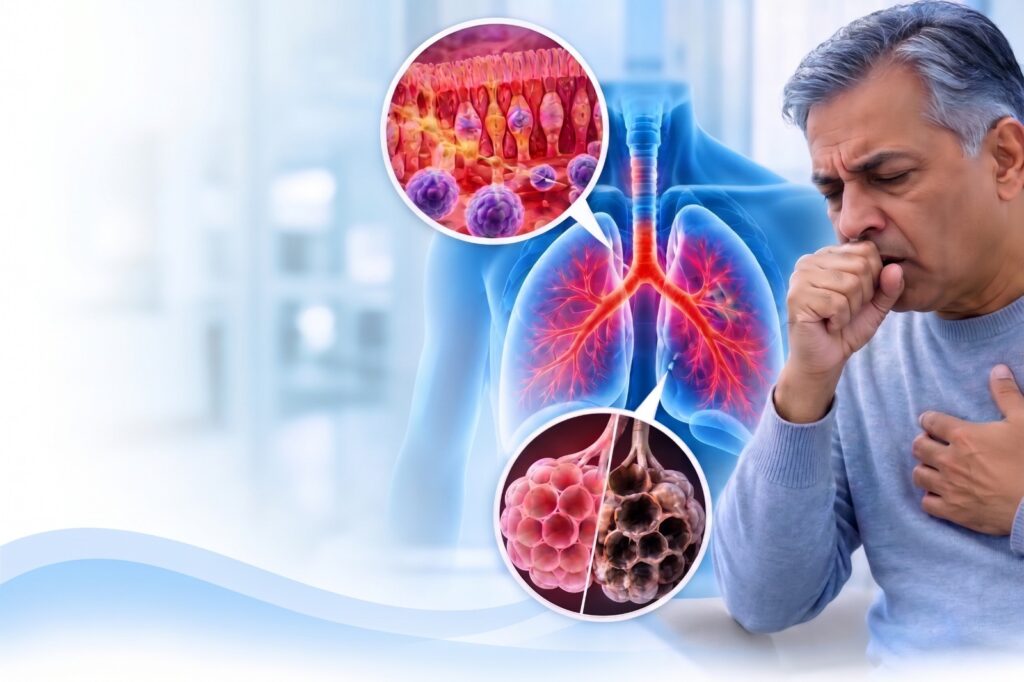
COPD A persistent cough may be an early warning sign of lung disease.
If you or someone in your family has been coughing every morning for months, it may be tempting to blame the weather, dust or ageing. Over time, the cough can become part of the daily routine. The mucus may seem normal, while breathlessness on stairs or wheezing at night may not appear serious enough to seek medical advice.
However, persistent symptoms should never be dismissed. They could indicate chronic obstructive pulmonary disease (COPD), a progressive lung condition that restricts airflow and makes breathing increasingly difficult.
COPD: A Major Global Health Challenge
COPD remains one of the world’s leading causes of death. The World Health Organization (WHO) reported in June 2026 that the disease caused 3.4 million deaths in 2023, accounting for approximately 6% of all deaths worldwide. It ranks as the third leading cause of death globally.
The condition mainly includes chronic bronchitis and emphysema. Chronic bronchitis causes inflammation in the airways and persistent mucus production. Emphysema gradually damages the tiny air sacs in the lungs, reducing their ability to transfer oxygen.
COPD often develops slowly. As the disease progresses, everyday activities can become increasingly difficult. Even a short walk may leave someone struggling to catch their breath. Unfortunately, many people receive a diagnosis only after their symptoms have become severe.
Smoking and Air Pollution Increase the Risk
Smoking is one of the leading causes of COPD. However, people who have never smoked can also develop the disease.
Exposure to second-hand smoke, household pollution from cooking fuels, workplace dust, chemicals and fumes can also damage the lungs. These risks make COPD a concern for communities beyond regular smokers.
World Culture Festival Karachi 19th Day Features Global Artists, Workshops and Theatre
Much of the lung damage caused by COPD is irreversible. Therefore, prevention, early diagnosis and appropriate treatment are essential.
What Happens When Tobacco Burns?
For smokers, exposure to cigarette smoke is a major concern. Burning tobacco releases thousands of chemicals that can irritate and damage the respiratory system.
The National Cancer Institute reports that tobacco smoke contains more than 7,000 chemicals. At least 250 are known to be harmful, including substances linked to cancer and other serious diseases.
Nicotine is primarily responsible for tobacco addiction. However, the toxic mixture produced by burning tobacco causes much of the serious harm associated with smoking.
The US Surgeon General has identified smoking cessation as the only established intervention that reduces the long-term loss of lung function in people with COPD who smoke.
Quitting Smoking Must Remain the Priority
Stopping smoking is the most important step a smoker with COPD can take. Yet quitting can be difficult, particularly for people who have struggled with dependence for years.
Some smokers continue despite trying nicotine replacement products, counselling or medication. Their difficulty quitting does not make continued smoking harmless. Instead, it highlights the need for effective, ongoing support.
This is also where discussions about tobacco harm reduction arise. The underlying idea is to reduce exposure to harmful substances, particularly those produced by burning tobacco.
For smokers who cannot quit immediately, some harm-reduction approaches focus on alternatives that do not involve tobacco combustion. However, reduced exposure to certain toxic chemicals does not mean an alternative is safe. Products differ in their risks, and continued nicotine use can sustain dependence. Such alternatives should never be presented as COPD treatments or as substitutes for evidence-based smoking cessation support.
Recognising Symptoms and Seeking Early Help
A persistent cough, regular wheezing, mucus production or breathlessness deserves medical attention. These symptoms do not automatically mean someone has COPD. Other respiratory and medical conditions can cause similar problems.
A healthcare professional can assess symptoms and recommend appropriate tests. Spirometry, a breathing test that measures airflow, is the main test used to confirm COPD.
Early diagnosis allows patients to access treatment and support. Depending on the individual’s condition, management may include inhaled medicines, pulmonary rehabilitation, vaccinations and oxygen therapy when clinically necessary.
People can also protect their lungs by avoiding cigarette smoke, reducing exposure to household fumes and workplace pollutants, and taking steps to limit contact with polluted air.
COPD has no cure, and the damage it causes can be permanent. Nevertheless, appropriate treatment and lifestyle changes can help manage symptoms and slow the disease’s progression.
That morning cough may seem harmless today. But it could be an early warning that the lungs need attention. Listening sooner, seeking medical advice and reducing harmful exposure can make a meaningful difference to the years of healthy breathing ahead.