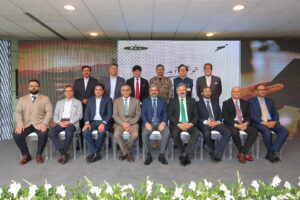

Thar Coal: K-Electric Backs Block-1 Mine Expansion and Jamshoro Plant’s Shift to Indigenous Fuel
Stakeholders target full conversion of the 660MW Jamshoro Power Project to Thar coal by 2029, aiming to reduce electricity costs and dependence on imported fuel.
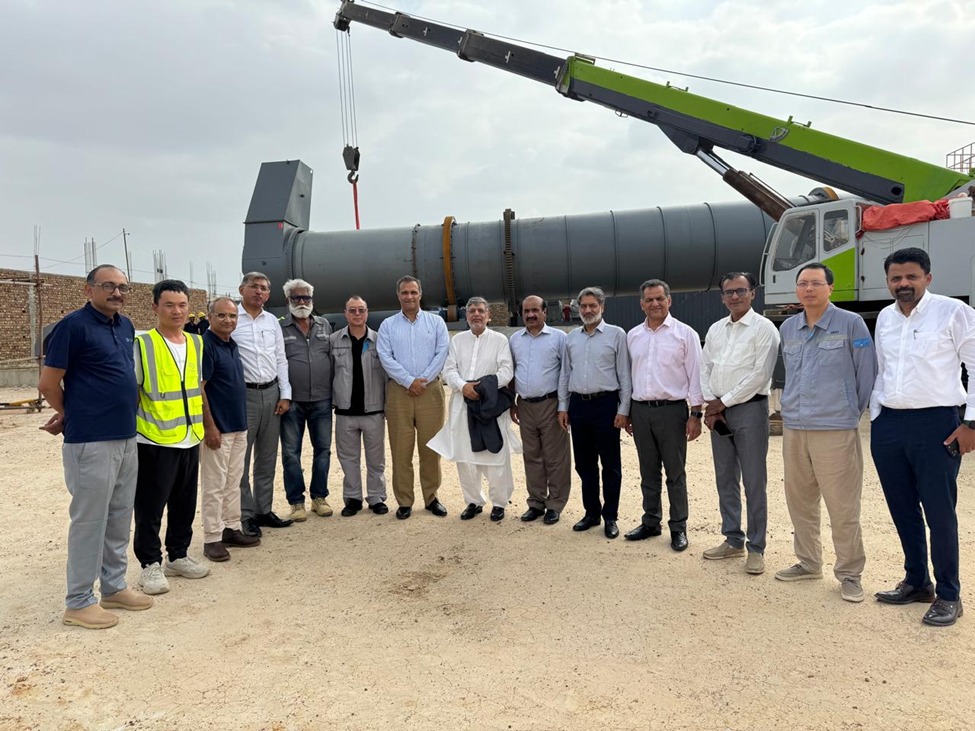
Stakeholders meet at Thar Block-1 to discuss mine expansion and the Jamshoro power plant's transition to indigenous coal.
THAR, July 28, 2026: Thar Coal moved closer to playing a larger role in Pakistan’s energy mix as K-Electric (KE) and key stakeholders agreed to advance plans for expanding the Block-1 coal mine and converting the 660-megawatt Jamshoro Power Project to indigenous coal by 2029.
FPCCI Meeting: Pakistan and Rwanda Explore Stronger Corporate and Trade Partnerships
The plans were discussed during a high-level meeting at the Thar Block-1 mine site attended by K-Electric Chairman Shaheryar Arshad Chishty, Thar Coal Energy Board (TCEB) Managing Director Tariq Ali Shah, Sino Sindh Resources Limited (SSRL) Chief Executive Officer Li Jigen, Jamshoro Power Company Limited (JPCL) Chief Executive Officer Muhammad Abdul Vakil, representatives of the Private Power and Infrastructure Board (PPIB) and other stakeholders.
Participants reviewed coal supply arrangements for the Jamshoro project during its interim blended-coal operations and its planned transition to full utilisation of indigenous Thar coal. The discussions also covered opportunities to integrate Thar coal into K-Electric’s broader power generation strategy.
K-Electric said it had funded and commissioned an independent feasibility study by German engineering consultancy Dornier Power and Heat GmbH, which concluded that converting the Jamshoro plant to Thar coal is both technically and economically viable.
According to the study, the conversion could generate an estimated US$3.2 billion in economic benefits over the remaining life of the project while significantly reducing reliance on imported coal and helping conserve Pakistan’s foreign exchange reserves.
K-Electric Chairman Shaheryar Arshad Chishty said increasing the use of locally sourced energy would help lower electricity generation costs, strengthen energy security and reduce pressure on the country’s external finances.
He added that the Jamshoro conversion, together with K-Electric’s efforts to optimise its own generation portfolio, forms part of the company’s broader operational and financial transformation aimed at delivering long-term value to Karachi’s electricity consumers.
K-Electric also said the combined coal demand from the Jamshoro project and its future generation portfolio would support the expansion of the Block-1 mine’s annual production capacity from approximately 7.8 million tonnes to around 15.6 million tonnes.
SSRL confirmed its readiness to undertake the mine expansion before JPCL’s planned transition to indigenous coal in 2029, ensuring uninterrupted long-term fuel supplies while improving the cost competitiveness of Thar coal.
SSRL Chief Executive Officer Li Jigen said the company intends to finance the expansion through its own resources. He added that the project would incorporate advanced mining technologies, including electric mining vehicles, greater use of grid electricity instead of diesel-powered equipment and modern Bucket Chain Excavator (BCE) systems to improve efficiency, reduce operating costs and minimise environmental impacts.
The stakeholders also agreed to finalise the Coal Supply Agreement (CSA) as soon as possible to enable SSRL to begin procuring critical mining equipment, including electric dump trucks and other long-lead assets required for the expansion.
TCEB Managing Director Tariq Ali Shah reaffirmed the board’s commitment to facilitating the expansion through the necessary regulatory approvals. Representatives of JPCL and PPIB also expressed support for the initiative and agreed to continue coordination on technical, commercial, regulatory and supply-related matters.
K-Electric said its investment in the feasibility study and continued engagement with stakeholders reflects its commitment to supporting projects that strengthen Pakistan’s energy security, reduce dependence on imported fuels and help create a more sustainable and cost-effective power sector.