SMAP Warns Pakistan’s GSP+ Status at Risk, Calls for Urgent Reforms
Salt Manufacturers Association urges government to address EU requirements, reform taxation and reduce industrial costs to protect export access
GSP+ Status: SMAP calls for urgent reforms to protect Pakistan’s preferential access to European markets.
The Salt Manufacturers Association of Pakistan (SMAP) has urged the government to introduce immediate reforms to protect Pakistan’s Generalised Scheme of Preferences Plus (GSP+) status. The association warned that failure to meet the scheme’s requirements could put the country’s preferential access to European Union markets at risk.
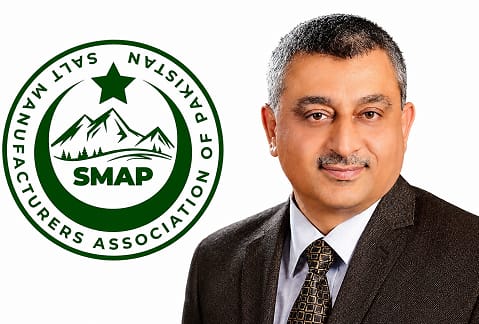
In a statement, SMAP Chairman Ismail Suttar said Pakistan needed a clear and coordinated strategy to meet GSP+ conditions. He highlighted human rights protection, a stable tax regime and comprehensive economic reforms as key priorities.
Suttar stressed that assurances alone would not protect the trade facility. Instead, Pakistan must take practical measures and demonstrate credible implementation of its international commitments.
GSP+ Access Critical for Export Industries
Suttar said duty-free access to European markets provides significant opportunities for Pakistan’s export-oriented industries.
However, losing the facility could affect industrial production, employment and foreign exchange earnings. He urged the government to take the European Union’s concerns and the conditions for retaining GSP+ status seriously.
SMAP Calls for Fair and Wider Tax Reforms
Highlighting weaknesses in the tax system, Suttar noted that millions of traders remained outside the tax net.
He called for a simple, transparent and fair tax structure that encourages voluntary compliance. He also stressed that efforts to expand the tax base should not impose additional burdens on businesses that already meet their tax obligations.
Sarsabz Farmers Secure 119 of 120 District Positions in Punjab Wheat Yield Competition
Furthermore, he urged the government to consult trade and industrial bodies before introducing new tax measures.
High Energy Costs Undermine Industrial Competitiveness
The SMAP chairman said high electricity and gas tariffs, heavy taxation and expensive financing continued to weaken the competitiveness of Pakistani industries.
Frequent changes in government policies also created uncertainty for businesses, he added.
Suttar called for lower energy costs, rationalised taxation and affordable financing. He also urged policymakers to maintain consistent long-term policies to support exporters and strengthen industrial growth.
SMAP Seeks Coordinated Action Ahead of EU Review
Suttar emphasised the need for stronger coordination among the ministries of finance, commerce, and industries and production.
He warned that authorities must not delay reforms ahead of the next GSP+ review cycle.
The SMAP chairman urged the government to develop a practical strategy in consultation with exporters and relevant trade organisations. He said timely action was essential to protect Pakistan’s preferential access to European markets and improve the competitiveness of its exports.