PTC Urges PM Shehbaz to Protect Export Facilitation Scheme for Textile Exporters
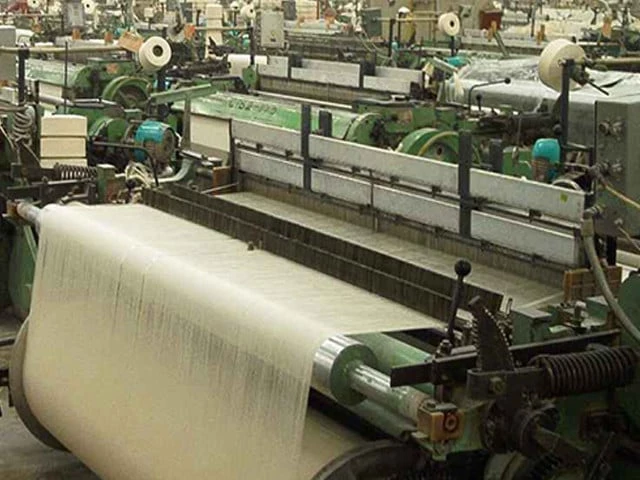
Pakistan Textile Council urges the government to protect exporters’ access to yarns and fabrics under the Export Facilitation Scheme.
The Pakistan Textile Council (PTC) has urged Prime Minister Shehbaz Sharif to reject demands for further exclusions under the Export Facilitation Scheme (EFS). The council warns that removing yarns and fabrics covered by Chapters 52 and 55 of the Pakistan Customs Tariff could harm the country’s value-added textile exports.
PTC Chairman Fawad Anwar signed a letter to the prime minister. The council also sent copies to the chairman of the Federal Board of Revenue (FBR) and the secretary of the Ministry of Commerce.
The council supports government efforts to prevent misdeclaration and misuse of the EFS. However, it says further restrictions would place genuine exporters under additional financial pressure.
PTC Warns Against Further EFS Restrictions
PTC said some business associations focused on the domestic market were seeking further exclusions from the scheme. The council noted that the government had already removed raw cotton, cotton yarn and grey cloth from the EFS in 2025 through SRO 1359(I)/2025.
Oil Prices Rise as Strait of Hormuz Attacks Heighten Supply Fears
According to PTC, earlier consultations had established an understanding that stakeholders would not seek further exclusions.
“Accepting these demands would cause serious and lasting harm to Pakistan’s value-added exports,” Anwar stated in the letter.
Global Textile Demand Shifts Towards Man-Made Fibres
PTC highlighted the growing importance of man-made fibres (MMF) in global textile and apparel production. According to Textile Exchange’s Materials Market Report 2025, synthetic fibres accounted for 69% of global fibre production in 2024, while cotton represented 19%.
MMF-based products account for about 63% of global textile and apparel trade. However, they represent only around 12% of Pakistan’s textile and apparel exports, according to the council.
PTC also pointed to Bangladesh’s plans to increase the MMF share of its apparel exports from approximately 24% to 40% by 2030. The council cited this target as an example of the growing competition in the segment.
Imported Inputs Remain Important for Exporters
Pakistan has almost no domestic production of viscose or lyocell fibres, PTC said. The council added that local polyester producers face cost and scale disadvantages compared with suppliers in China and ASEAN countries.
As a result, value-added exporters often depend on imported MMF yarns and fabrics. International buyers frequently specify these materials for their orders.
PTC warned that the 2025 exclusions already require exporters to pay taxes upfront on certain inputs. This increases production costs and ties up working capital.
Further exclusions covering all yarns and fabrics under Chapters 52 and 55 could increase costs for apparel and made-ups exporters. The council said such restrictions could also limit access to globally demanded fibres, discourage investment in new production capacity and weaken international buyers’ confidence in Pakistan as a sourcing destination.
Council Supports Stronger Action Against Misuse
PTC reiterated its support for firm action against misdeclaration, under-invoicing and the diversion of EFS imports into the domestic market.
The council said FBR and Pakistan Customs have the legal authority, systems and personnel to investigate and prosecute violations. It also cited recent detections as evidence that enforcement measures can identify misuse.
“The misuse of a few cannot justify penalising genuine exporters or dismantling a scheme that is central to export competitiveness,” Anwar added.
PTC Proposes Three Measures
The council asked the prime minister to support three measures:
Retain access to legitimate export inputs: Keep the EFS available for genuine export production without further exclusions for yarns and fabrics under Chapters 52 and 55.
Strengthen enforcement: Use input-output coefficient audits, match EFS imports against export documents, conduct risk-based examinations and impose strict penalties on offenders.
Address domestic suppliers’ concerns: Restore zero-rating on local supplies of inputs to EFS users instead of taxing imported inputs.
PTC said textiles and apparel remain Pakistan’s largest export sector. It stressed that the sector’s growth depends on competitive access to the materials demanded by international markets.
The council reaffirmed its willingness to work with the government to prevent misuse of the scheme while protecting genuine exporters and the foreign exchange they earn for Pakistan.