Pentagon Unveils Record $1.5 Trillion Defense Budget, Marking Largest Post-WWII Increase
The Pentagon has released details of President Donald Trump’s proposed $1.5 trillion defense budget request for fiscal year 2027, marking the largest year-on-year increase in US military spending since World War II.
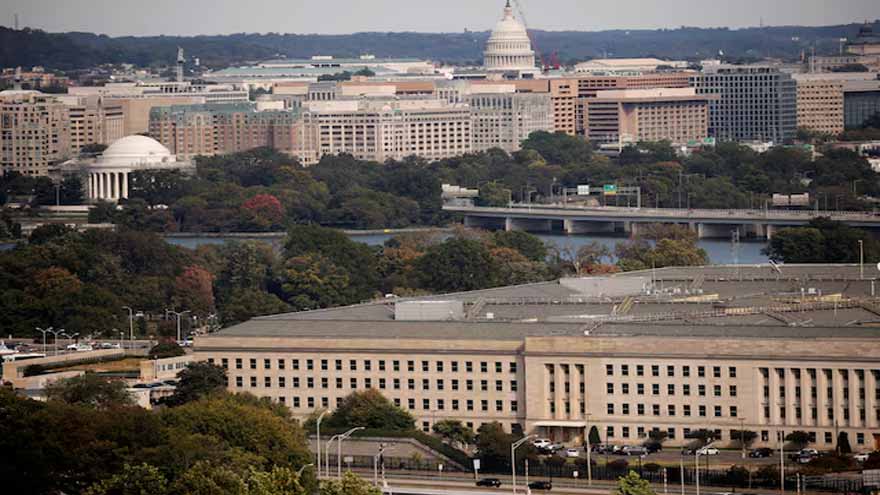
The Pentagon has released details of President Donald Trump’s proposed $1.5 trillion defense budget request for fiscal year 2027, marking the largest year-on-year increase in US military spending since World War II.
Sindh Terminates BRT Red Line Contract Over Delays and Poor Performance
According to defense officials, the budget represents a major restructuring of US military priorities and includes a newly defined category called “presidential priorities,” focusing on missile defense systems, artificial intelligence, drone warfare, and strengthening the defense industrial base.
The proposal allocates massive funding for advanced weapons development, including the “Golden Dome” missile defense initiative, next-generation AI systems, and expanded autonomous warfare capabilities designed to enhance battlefield decision-making and operational speed.
A significant portion of the budget is directed toward naval expansion under a programme described as the “Golden Fleet” initiative. The Pentagon has requested more than $65 billion for the construction of 18 warships and 16 support vessels, making it the largest US shipbuilding effort since the early 1960s.
In aviation, the plan increases procurement of Lockheed Martin F-35 Lightning II aircraft to 85 units annually and allocates $102 billion for aircraft procurement and research, representing a 26% rise compared to the previous year. Funding also supports continued development of next-generation systems such as the Boeing F-47 fighter and the Northrop Grumman B-21 stealth bomber.
Drone warfare receives one of the largest boosts in the budget, with $53.6 billion earmarked for autonomous systems and battlefield logistics. An additional $21 billion will be spent on munitions, counter-drone technologies, and advanced combat systems. Officials described this as the most extensive investment in unmanned warfare capabilities in US history.
The Defense Autonomous Warfare Group, which previously operated on a far smaller budget, will now see funding surge to approximately $54 billion. The expansion incorporates and replaces earlier initiatives aimed at rapidly deploying commercial and military drone technologies.
The budget also includes plans for multi-year procurement contracts for ammunition and weapons systems, aimed at stabilizing supply chains and ensuring long-term production capacity across major defense contractors and smaller suppliers.
Personnel spending is also set to rise, with a proposed 7% pay increase for junior enlisted troops, 6% for mid-level personnel, and 5% for senior ranks. The military is additionally expected to expand by 44,000 service members in fiscal year 2027.
Notably, the budget does not yet include specific funding related to ongoing operations involving Iran. Pentagon officials indicated that a separate supplemental request may be submitted later to cover operational and replenishment costs linked to active conflicts.
The overall package includes a $1.15 trillion core defense budget along with a $350 billion supplemental request, requiring congressional approval through a reconciliation process similar to previous fiscal measures.