Pakistan Urges Citizens Aged 50+ to Get Shingles Vaccine as Experts Warn of Rising Risk and Complications
Web Desk May 10, 2026Health experts in Pakistan are urging adults aged 50 and above to get vaccinated against shingles, a painful and potentially serious condition caused by reactivation of the chickenpox virus (varicella-zoster).
Health experts in Pakistan are urging adults aged 50 and above to get vaccinated against shingles, a painful and potentially serious condition caused by reactivation of the chickenpox virus (varicella-zoster).
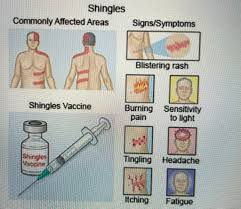
Medical professionals warn that around one in three people may develop shingles in their lifetime, with older adults and immunocompromised individuals at significantly higher risk. The illness typically begins with burning, tingling, or pain on one side of the body, followed by a blistering rash that can last for days or weeks.
While shingles is usually not life-threatening, it can lead to severe complications. These include postherpetic neuralgia (PHN), a long-term nerve pain condition that can persist for months or years after the rash heals, as well as serious issues such as vision loss if the infection affects the eyes, facial paralysis, hearing impairment, or, in rare cases, brain inflammation.
Health experts emphasize that vaccination remains the most effective preventive measure. They recommend that all adults aged 50 and above in Pakistan get vaccinated, even if they have previously had shingles, as it significantly reduces both the risk of infection and the severity of complications.
Doctors also caution that individuals with weakened immune systems, including cancer patients, HIV-positive individuals, and organ transplant recipients, face a higher risk and should take extra precautions.
Although shingles itself is not directly contagious, the virus can spread from active blisters to individuals who have never had chickenpox, potentially causing them to develop the disease. Patients are therefore advised to avoid contact with vulnerable groups such as pregnant women, newborns, and immunocompromised individuals until the rash has fully healed.