

Pakistan Makes Record Rs1.2 Trillion Early Debt Repayment
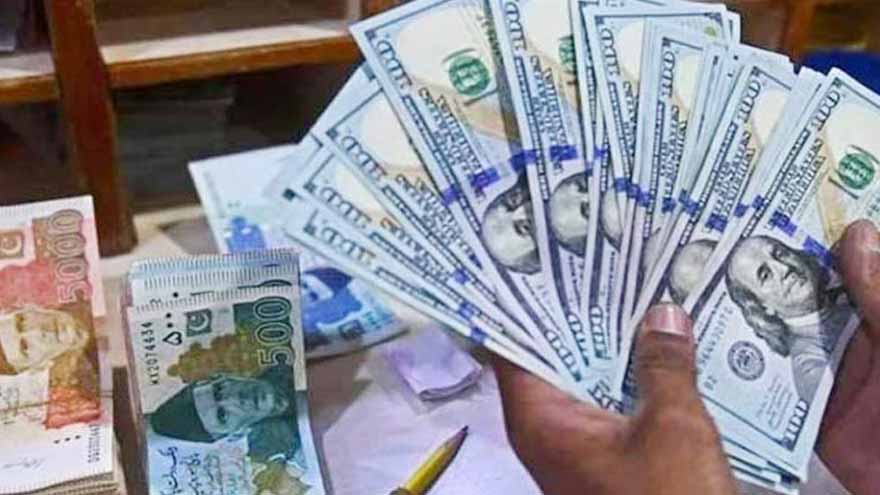
Pakistan records its largest single early debt repayment of Rs1.2 trillion.
Pakistan debt repayment has reached a new record after the country paid Rs1.2 trillion ahead of schedule.
Finance Minister’s adviser Khurram Shehzad announced the development in a post on X.
He said Pakistan had now made nearly Rs6 trillion in early debt repayments.
According to Shehzad, total early repayments have reached around Rs5.92 trillion.
The figure exceeds the previous record of Rs1.133 trillion. Pakistan made that payment in August 2025.
Early repayments rise during current fiscal year
Shehzad said Pakistan repaid Rs2.9 trillion ahead of schedule during the 2025-26 fiscal year.
The country has already repaid another Rs1.2 trillion early during the 2026-27 fiscal year, he added.
Actress Laila Says She Left Work She Considered Against Allah’s Will
The latest payment represents Pakistan’s largest single early debt repayment.
Officials expect the move to reduce the country’s overall debt burden.
It could also ease pressure from large debt servicing payments in the coming years.
Government signals change in debt management
The finance minister’s adviser described the repayment as a change in Pakistan’s debt management strategy.
He said the country was moving beyond conventional repayment practices.
The government is instead focusing on strengthening the wider fiscal position.
The latest repayment comes as Pakistan seeks to improve economic stability and reduce external financial pressures.
Moody’s upgrades Pakistan’s sovereign rating
The development follows an upgrade from global ratings agency Moody’s earlier this week.
Moody’s raised Pakistan’s sovereign rating to B3 from Caa1.
The agency cited improvements in governance and a reduction in external vulnerability.
Moody’s also said it expected the recent improvement in Pakistan’s debt affordability to remain durable.
The agency linked the outlook to sustained macroeconomic stability.
The latest Pakistan debt repayment record marks another step in the government’s efforts to improve debt management and strengthen the country’s fiscal position.