Pakistan Leaders Welcome US Iran Peace Agreement for Stability
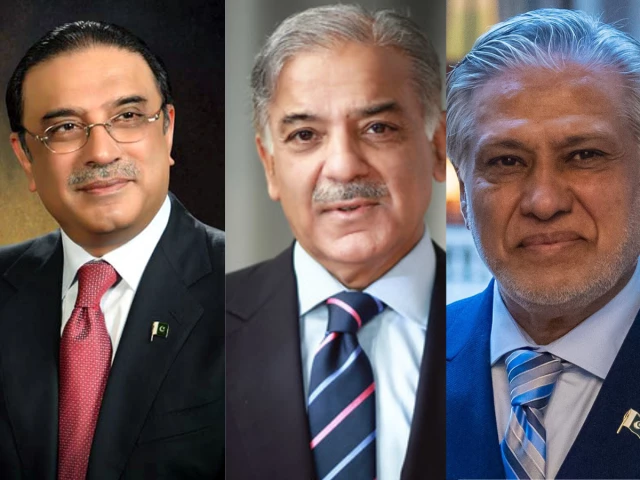
Pakistan leadership responds to the US-Iran diplomatic breakthrough
Pakistan’s political leadership on Monday welcomed the US Iran Agreement and described it as an encouraging development for regional stability and global economic confidence. The statements followed reports of a preliminary understanding aimed at ending months of military tensions and reducing wider economic uncertainty.
Pakistan Stock Exchange Surges After US Iran War Deal Signals
The US Iran Agreement received support from senior Pakistani officials who highlighted diplomacy as the preferred path for conflict resolution. Moreover, leaders said continued engagement could strengthen regional peace and improve economic conditions worldwide.
Asif Ali Zardari Supports Agreement
President Asif Ali Zardari welcomed the announcement of a memorandum of understanding between the United States and Iran. In a statement shared on X, he expressed hope that the framework would eventually lead to a final settlement.
Zardari stated that the agreement could help establish durable and comprehensive peace across the region. Furthermore, he noted that Pakistan had consistently supported diplomatic engagement throughout the period of heightened tensions.
He also described the development as an important step toward strengthening multilateral cooperation and resolving disputes through engagement and mutual respect. According to his remarks, diplomatic efforts may contribute to greater stability and prosperity.
Shehbaz Sharif Highlights Diplomatic Progress
Prime Minister Shehbaz Sharif announced that negotiations between the United States and Iran had resulted in an agreement and an immediate end to military operations across multiple fronts, including Lebanon.
According to his statement, diplomatic engagement remained central to achieving progress. In addition, he indicated that continued dialogue could reduce regional uncertainty and support broader international stability.
Observers noted that political developments often influence investor sentiment and economic expectations. Therefore, the announcement received close attention across markets and diplomatic circles.
Ishaq Dar Praises Dialogue Efforts
Deputy Prime Minister and Foreign Minister Ishaq Dar also welcomed the agreement and called it a significant diplomatic breakthrough.
Dar stated that sustained diplomatic engagement and cooperation among friendly nations helped create conditions for progress. He added that the agreement offered reassurance to the international community and could support confidence in global markets.
Furthermore, Dar said Pakistan remained actively engaged with concerned parties and consistently advocated restraint and constructive dialogue. He maintained that diplomacy remains the most effective path for resolving disputes.
Dar also acknowledged the efforts of Saudi Arabia, Qatar, Türkiye, Egypt, the United Nations, and international partners for supporting diplomatic engagement.
Muhammad Aurangzeb Sees Economic Potential
Finance Minister Muhammad Aurangzeb described the agreement as a meaningful development for international economic stability.
Speaking during a Pakistan Stock Exchange ceremony, Aurangzeb reportedly said the agreement may reduce economic uncertainty linked to recent regional tensions. He suggested that improved stability could support Pakistan’s economic outlook in the coming fiscal year.
Additionally, he stated that Pakistan had managed the economic effects of recent tensions while continuing to encourage dialogue and de-escalation.
The minister noted that energy markets may still require time to stabilize. However, he added that broader economic expectations appeared more optimistic.
US Iran Agreement Shapes Regional Outlook
Pakistan has repeatedly supported diplomatic solutions for regional disputes and tensions. Officials indicated that continued negotiations may determine how quickly broader agreements can be achieved.
Reports indicated that US and Iranian officials agreed on a preliminary framework that includes discussions on ending military tensions, reopening strategic trade routes, and advancing future negotiations.
While several details remain under discussion, policymakers continue to present diplomacy as the preferred route toward stability. As negotiations move forward, attention will remain focused on whether the preliminary understanding evolves into a final agreement with long-term regional impact.