Pakistan’s Export Competitiveness Under Pressure as Import Bill Rises
Analyst Ateeq ur Rehman warns rising production costs and transport disruptions could further weaken Pakistan’s export growth
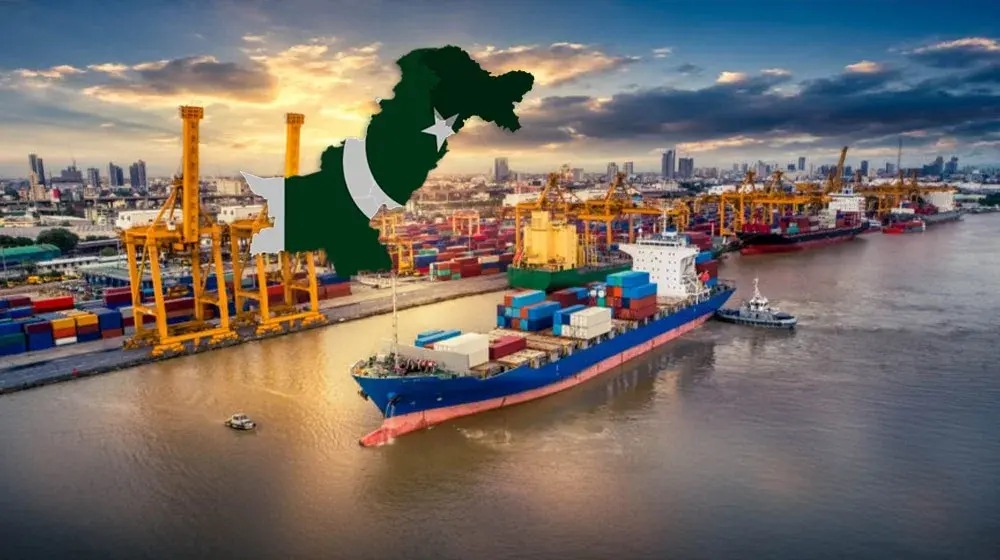
Analyst Ateeq ur Rehman highlights rising costs and supply chain risks facing Pakistan’s exporters
KARACHI, October 2026: Pakistan’s external trade is facing renewed pressure as export growth loses momentum while imports continue to rise, widening the gap between the two and adding to the country’s trade deficit, according to economic and financial analyst Ateeq ur Rehman.
He said exporters are already struggling with high production and manufacturing costs. Electricity and gas tariffs, fuel prices, interest rates and financing costs have increased the burden on businesses.
Heavy taxation, delayed refunds and regulatory hurdles are adding further pressure. Exporters also face higher costs for imported raw materials, logistics and shipping.
Rising Costs Challenge Exporters
According to Rehman, high energy costs remain one of the major challenges for export-oriented industries.
Expensive financing and high markups can limit investment in production capacity. At the same time, rising fuel and transportation costs increase the cost of moving goods to ports and international markets.
He also pointed to delays in tax refunds and regulatory difficulties. These issues can affect exporters’ cash flow and make it harder for businesses to compete with producers in other countries.
Higher duties on intermediate and capital goods are another concern. Rehman said such duties can increase production costs and make locally manufactured goods less competitive in international markets.
US Charges Four Over Alleged Hamas Financing Network
Transport Strikes Add Supply Chain Risks
Rehman said transport disruptions create another serious challenge for exporters.
He noted that Pakistan’s industrial system depends on the timely movement of raw materials and finished products. Any prolonged interruption can disrupt factory operations and production schedules.
Export shipments can also face delays when truckers go on strike or cargo movement stops.
If consignments fail to reach buyers on time, exporters may face penalties, price reductions and claims for damages, he said.
Rehman called for export cargo to receive safe and uninterrupted movement during transport disruptions. He said authorities should protect export consignments from unnecessary delays and obstacles.
A prolonged suspension of cargo movement could have wider economic consequences. These may include factory shutdowns, production delays, late export shipments and breaches of contractual commitments.
Pakistan Needs Faster Export Growth
Rehman estimated that Pakistan’s exports of goods and services currently stand at around $38 billion to $40 billion, equivalent to roughly 8% of GDP.
He said Pakistan needs to increase exports to $100 billion within two years. Achieving that target would require export growth of about 40% annually.
Rehman acknowledged that the target would be challenging. However, he said other countries have achieved major export transformations and Pakistan can also pursue stronger growth.
He identified increased production capacity, stronger institutions, better governance and improved workforce skills as key requirements.
Lower Costs Could Improve Competitiveness
Rehman said Pakistan needs a more efficient production and supply-chain system to support export expansion.
He argued that reducing the cost of intermediate and capital goods could help local producers compete more effectively.
Efficient movement of goods would also allow businesses to plan with greater certainty. As a result, companies could strengthen production schedules, improve supply-chain resilience and meet international delivery commitments more reliably.
Pakistan’s ability to expand exports, he added, will depend not only on demand in international markets but also on whether domestic industries can produce and deliver goods competitively.