Oil Prices Surge Above $110 as Strait of Hormuz Deadlock Deepens Global Supply Fears
Oil Prices Surge Above $110 as Strait of Hormuz Deadlock Deepens Global Supply Fears
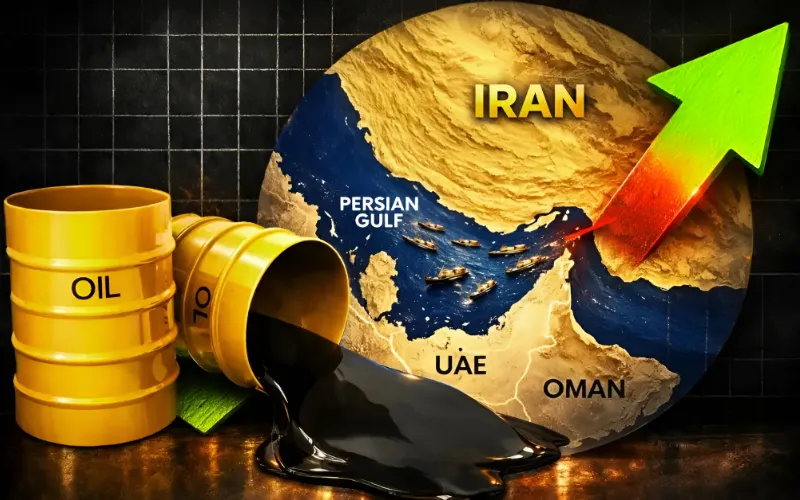
Global energy markets came under renewed pressure on Tuesday as oil prices surged sharply, with Brent crude crossing the $110-per-barrel mark amid escalating uncertainty over the Strait of Hormuz and stalled diplomatic efforts to end the ongoing Middle East conflict.
Iran–US Talks Stall as Diplomatic Focus Shifts Away from Islamabad Amid Regional Realignments
Brent crude for June delivery rose 2.7% to $111.19 per barrel, while West Texas Intermediate (WTI) gained 3.4% to $99.68 per barrel. The sharp increase reflects growing concerns over supply disruptions and geopolitical instability in a region critical to global energy flows.
The crisis has intensified as negotiations involving the United States and Iran remain deadlocked. Tehran has insisted that Washington can no longer dictate terms in any agreement, while US officials continue reviewing Iran’s latest proposal to reopen the strategic waterway.
The Strait of Hormuz—one of the world’s most important shipping lanes for oil and gas—has remained largely restricted since the outbreak of the US-Israeli conflict with Iran, severely disrupting global trade routes and adding volatility to energy markets.
Reports suggest that US President Donald Trump is unlikely to accept Iran’s current proposal, which reportedly prioritises reopening the strait before addressing broader issues such as nuclear negotiations.
Diplomatic momentum also weakened after Trump cancelled a planned visit by his envoys Steve Witkoff and Jared Kushner to Islamabad, a move that had previously been seen as part of broader mediation efforts.
Regional actors have expressed concern over the prolonged standoff. Qatar has warned that without a breakthrough, the situation could harden into a long-term “frozen conflict,” further destabilising energy markets and global trade.
Iran, meanwhile, has maintained restrictions on maritime traffic through the Strait of Hormuz since the conflict escalated, citing security concerns. The move has triggered significant disruption in oil shipping, with analysts warning of continued volatility unless a political settlement is reached.
Market analysts say investor sentiment has turned cautious. Kathleen Brooks, Research Director at XTB, noted that expectations for a diplomatic breakthrough have weakened, particularly as disagreements persist over sequencing—specifically Iran’s demand to delay nuclear discussions until after maritime issues are resolved.
At the same time, global equity markets showed mixed performance, with technology stocks under pressure as investors shifted focus toward corporate earnings and interest rate outlooks.
With negotiations stalled and geopolitical risks rising, energy markets remain highly sensitive to any developments that could further impact supply flows through the Strait of Hormuz.