
OICCI Calls for Tax Cuts, Simplification in Budget 2026–27 Consultations with Finance Ministry
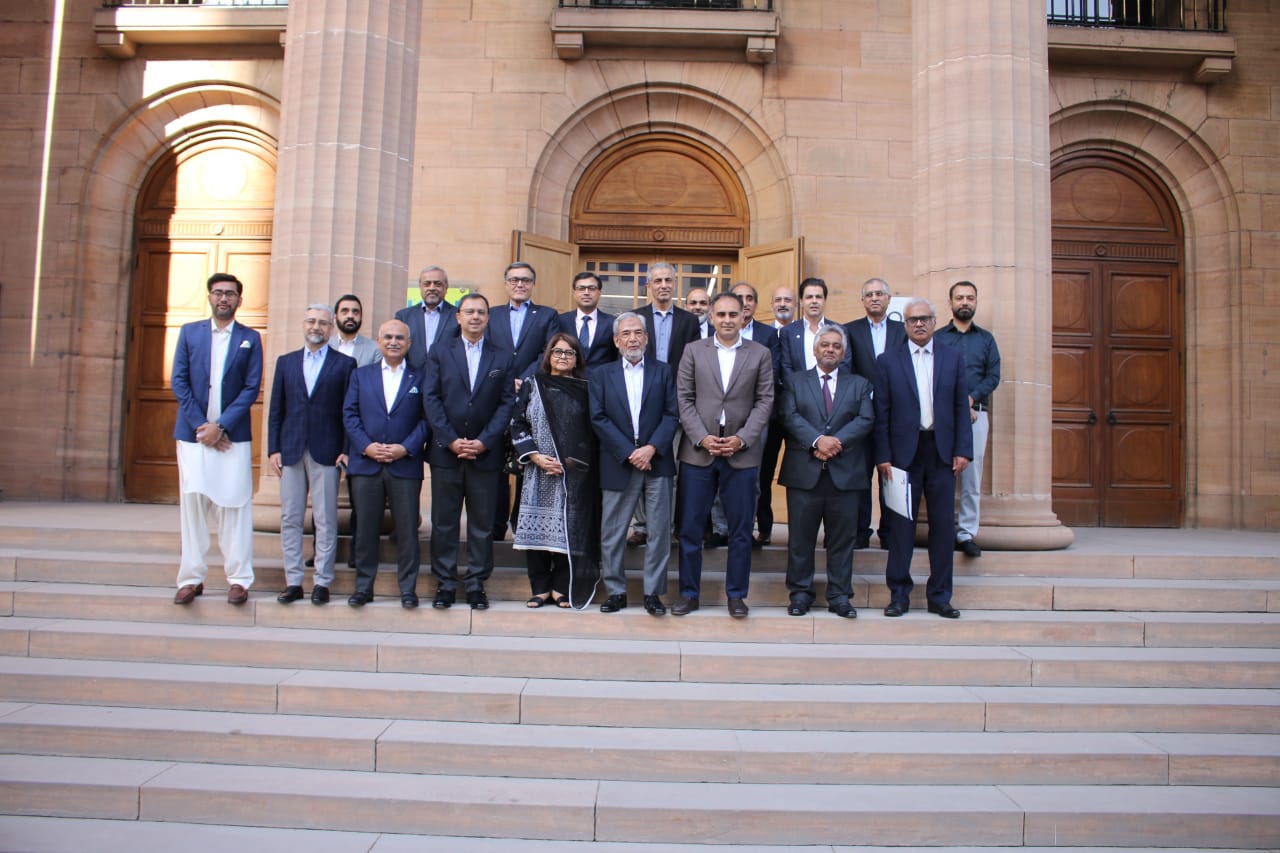
The Overseas Investors Chamber of Commerce and Industry (OICCI) has proposed a wide-ranging set of tax reforms for the Federal Budget 2026–27 during a consultation meeting with Minister of State for Finance and Revenue Bilal Azhar Kayani in Karachi.
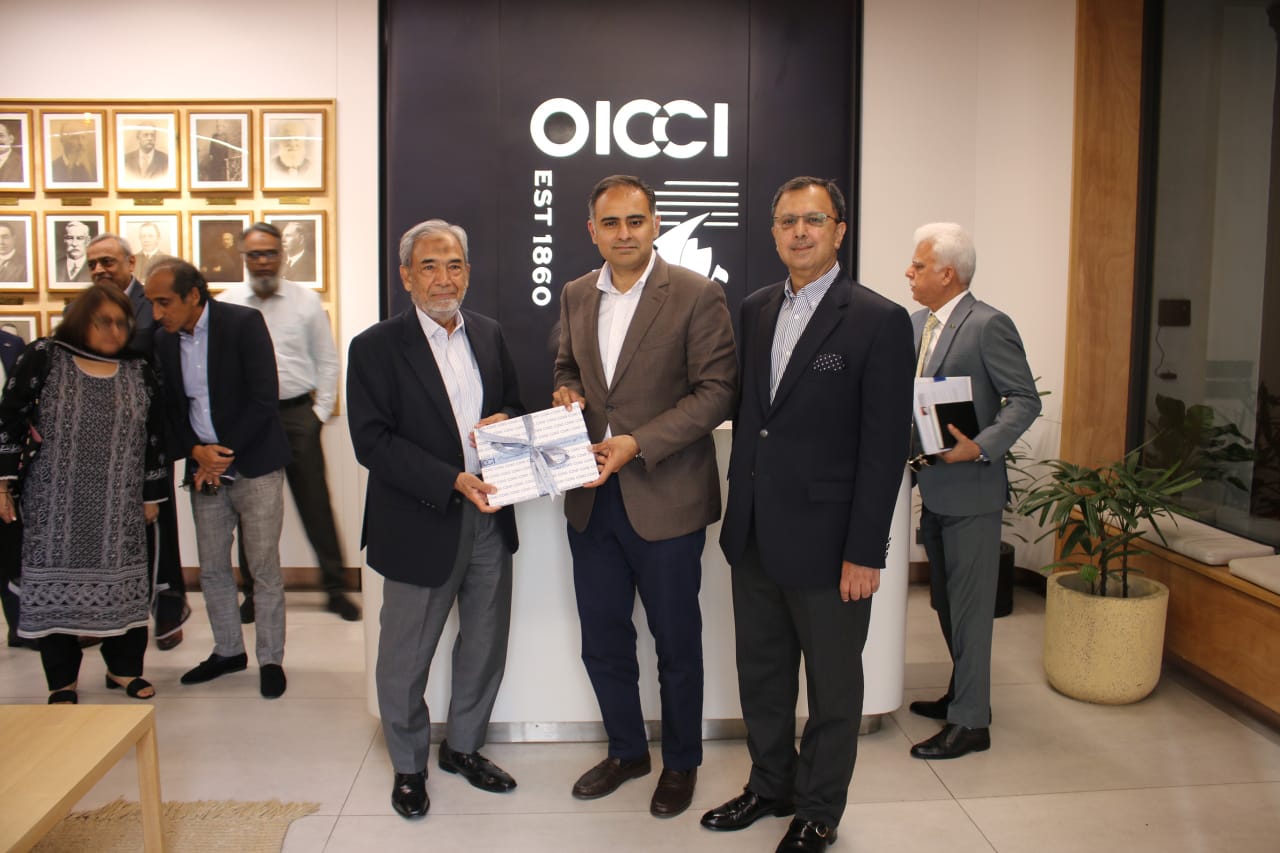
The Overseas Investors Chamber of Commerce and Industry (OICCI) has proposed a wide-ranging set of tax reforms for the Federal Budget 2026–27 during a consultation meeting with Minister of State for Finance and Revenue Bilal Azhar Kayani in Karachi.
China’s Humanoid Robots Outpace Humans in Beijing Half-Marathon Showcase
The proposals were presented as part of the government’s ongoing budget formulation process, with participation also from the Tax Policy Office. OICCI emphasized the need for a more predictable and investment-friendly tax regime to support economic growth and attract foreign investment.
Key Tax Proposals
The chamber recommended reducing the corporate tax rate to 28% in FY2026–27, with a gradual reduction to 25% over three years. It also called for the phased elimination of the Super Tax, noting that the combined burden of corporate tax, super tax, and other levies currently pushes the effective tax rate close to 46%.
OICCI further suggested:
Abolishing the super tax and 10% surcharge on high-income salaried individuals
Capping maximum personal income tax at 25%
Reducing sales tax on goods from 18% to 17%, with a long-term target of 15%
Rationalizing withholding and minimum tax structures
Concerns Over Investment Climate
The chamber highlighted concerns from foreign investors regarding delayed tax refunds, excessive compliance notices, and weak coordination between federal and provincial tax systems. It warned that high taxation in the banking sector may restrict credit availability and increase financing costs for businesses.
OICCI Secretary General M. Abdul Aleem stressed that reforms should focus on broadening the tax base rather than increasing pressure on existing taxpayers, calling for inclusion of under-taxed sectors such as agriculture, retail, real estate, and services.
Growth and Investment Outlook
OICCI also urged policymakers to support export-led industries through targeted measures and policy consistency, arguing that stability in taxation and regulation is essential for long-term economic planning.
Minister Kayani welcomed the feedback, underscoring the government’s commitment to stakeholder engagement and transparency in fiscal policymaking.
The proposals aim to shape a more competitive tax environment to encourage investment, improve compliance, and support sustainable economic growth in Pakistan.