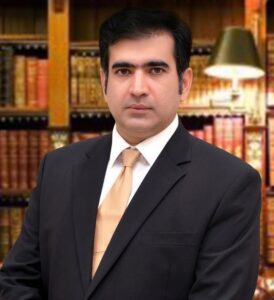
Mian Zahid Hussain Calls for 50% Credit Guarantees to Boost Microfinance
Web Desk October 13, 2026Business leader urges lower lending costs, stronger regional loan targets and greater financing for women, farmers and small businesses
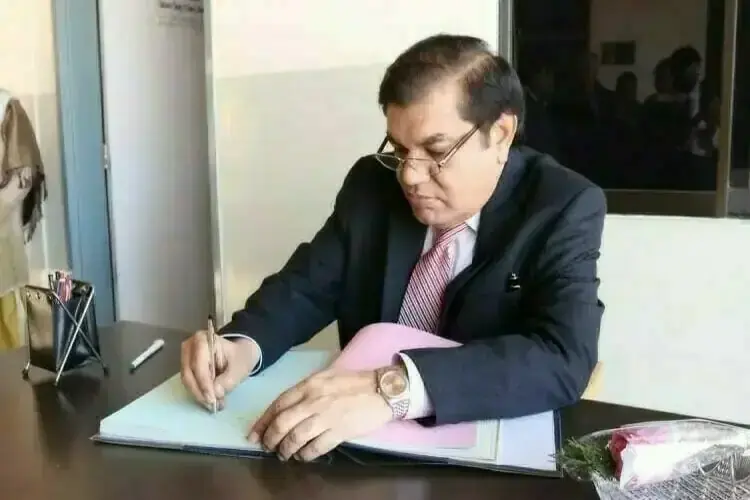
Mian Zahid Hussain calls for stronger microfinance guarantees and lower borrowing costs in Pakistan
KARACHI, October 13, 2026: Mian Zahid Hussain, President of the Pakistan Businessmen and Intellectuals Forum (PBIF), has called for higher credit guarantees and lower microfinance lending rates to improve financial inclusion, reduce poverty and support economic growth in Pakistan.
He proposed raising credit guarantees for women entrepreneurs, small farmers and micro-businesses to at least 50 per cent. He also urged the government to reduce microfinance markup rates to six percentage points below the Karachi Interbank Offered Rate (KIBOR).
Hussain said microfinance could play a greater role in economic recovery by helping low-income households, women and small businesses access funding. However, he warned that limited capital, uneven loan distribution and high borrowing costs continued to restrict the sector’s potential.
He called for stronger capital bases for microfinance institutions and regulatory measures suited to Pakistan’s economic conditions and aligned with international standards.
Microfinance Lending Remains Uneven
Citing the Pakistan Economic Survey 2025–26, Hussain said the microfinance industry’s gross loan portfolio reached Rs858.50 billion in December 2025, serving 13.39 million active borrowers. The sector operated through 4,145 branches managed by 11 microfinance banks and 26 non-bank microfinance companies.
He also cited State Bank of Pakistan (SBP) data for March 2026, which put microfinance banks’ total assets at Rs1,165.22 billion, deposits at Rs886.42 billion and outstanding consumer loans at Rs530.16 billion.
Despite this scale, Hussain said financing needed to reach more businesses that generate jobs and strengthen productive activity.
According to the figures he cited, microfinance banks provided Rs276.25 billion to agriculture, forestry and fishing in March 2026, while manufacturing received only Rs4.08 billion. He argued that cottage industries, small factories and value-added businesses needed greater access to credit.
Regional disparities also concerned him. The figures cited placed lending at Rs300.54 billion in Punjab, Rs120.57 billion in Sindh and Rs7.19 billion in Balochistan.
Hussain called for region-specific lending targets and simpler documentation to help underserved communities and businesses obtain financing.
KATI Seeks One-Month Extension in Income Tax Return Filing Deadline
Financial Stability and Deposit Protection
Hussain also raised concerns about the financial health of microfinance banks. Referring to the SBP’s Financial Stability Review 2025, he said non-performing loans reached Rs48 billion in December 2025, with a reported infection ratio of 9.1 per cent.
He put the sector’s capital adequacy ratio at negative 1.2 per cent, compared with the SBP’s stated minimum requirement of 15 per cent. He also said four of the 11 microfinance banks had failed to meet minimum capital requirements.
Although the sector’s annual pre-tax loss reportedly narrowed from Rs25 billion to Rs2 billion, Hussain cautioned that the improvement did not necessarily mean the underlying risks had disappeared.
He called for the rehabilitation of financially weak institutions, transparent supervision and effective protection of depositors’ funds.
Call to Raise Credit Guarantees to 50%
Hussain welcomed the SBP’s reported September 2026 initiative to provide a 25 per cent credit guarantee for women but urged the authorities to raise the coverage to at least 50 per cent.
He also called for an increase in the reported risk coverage of up to 20 per cent for small farmers and micro-businesses, announced in October 2026, to 50 per cent.
In addition, he urged policymakers to expand lending volumes and lower microfinance borrowing costs by setting markup rates six percentage points below KIBOR.
Hussain said microfinance should place greater emphasis on productive investment and self-employment rather than personal consumption. He argued that improving access to affordable finance for small businesses and rural communities was essential for broader economic development.