Kaspersky Research Predicts 75% of Global Energy Sector Will Digitize Within Two Years
Web Desk April 30, 2026ISLAMABAD: A new joint research report by Kaspersky and VDC Research has revealed that nearly 75 per cent of energy sector organizations worldwide are expected to achieve full digitalization within the next two years, signaling a major transformation in the global energy industry driven by advanced technologies, automation, and connected infrastructure.
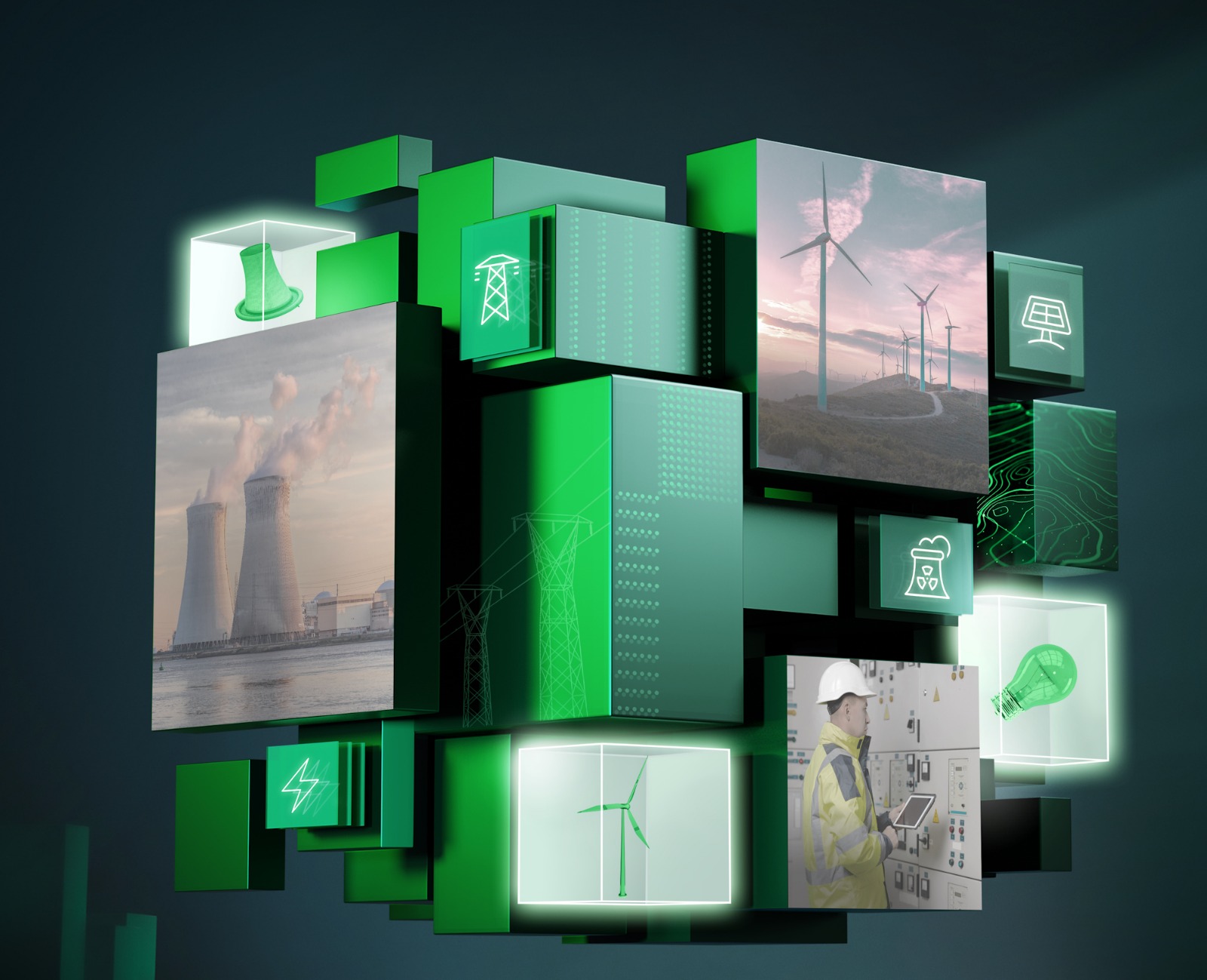
ISLAMABAD: A new joint research report by Kaspersky and VDC Research has revealed that nearly 75 per cent of energy sector organizations worldwide are expected to achieve full digitalization within the next two years, signaling a major transformation in the global energy industry driven by advanced technologies, automation, and connected infrastructure.
Wafi Energy Pakistan Reports 148% Profit Growth in Q1 2026 Amid Expansion Drive
The report, titled “Powering Cyber Resilience in the Energy Sector”, highlights that currently less than five per cent of energy organizations can be considered fully digital. However, rapid adoption of digital technologies is reshaping power generation, transmission, and distribution systems, promising improved efficiency, operational reliability, and sustainability across the sector.
According to the findings, energy companies are increasingly investing in artificial intelligence-driven analytics, predictive maintenance systems, digital twins, robotics, and automated drones to optimize operations, reduce outages, and improve grid management. These technologies are helping organizations better manage supply and demand while enabling smoother integration of renewable and distributed energy resources.
Despite these advancements, the report warns that increased connectivity is exposing critical infrastructure to growing cybersecurity threats. More than half of surveyed energy organizations reported experiencing cyber incidents that caused losses exceeding $1 million, underlining the severe financial and operational risks associated with cyberattacks on critical energy infrastructure.
The study identified key priorities driving digital transformation in the energy sector, including improving production efficiency, reducing operational costs, and strengthening cyber resilience. Experts noted that while digitalization offers substantial benefits, it also creates new vulnerabilities that require robust cybersecurity measures.
Commenting on Pakistan’s evolving energy landscape, Asim Nazir Raja, Director at Islamabad Electric Supply Company (IESCO), stated that the country’s energy sector is rapidly modernizing through the deployment of Advanced Metering Infrastructure (AMI), mobile applications, and other digital reforms aimed at enhancing transparency, operational efficiency, and customer services.
He emphasized that as Pakistan’s power sector becomes increasingly data-driven and interconnected, safeguarding customer data and securing critical infrastructure must remain a top priority. He added that IESCO is continuously investing in strengthening cyber resilience to counter emerging threats.
The report further revealed that more than 45 per cent of organizations face a shortage of specialized industrial cybersecurity professionals, making human expertise one of the biggest challenges in securing operational technology (OT) environments.
Researchers also highlighted a persistent divide between IT and operational departments within energy organizations, with nearly three-quarters of companies reporting that cybersecurity decisions are primarily managed by IT teams rather than operational leadership. This fragmentation, the report noted, can create gaps in protection strategies and weaken overall resilience.
Kaspersky stressed that protecting operational technology systems in the energy sector requires industrial-grade cybersecurity solutions specifically designed for critical infrastructure environments. The company said organizations must adopt unified visibility and control across IT, OT, and Industrial Internet of Things (IIoT) systems to prevent blind spots and improve threat detection capabilities.
The report concludes that as the global energy industry moves rapidly toward digitalization, cybersecurity will become a central pillar of energy security, operational continuity, and national resilience.