Pakistan Plans Blockchain-Based Naya Pakistan Certificates and Sovereign Bonds
Pakistan Plans Blockchain-Based Naya Pakistan Certificates and Sovereign Bonds
Pakistan is considering linking its Naya Pakistan Certificates (NPCs) and sovereign bonds to a regulated blockchain system through Digitally Native Notes (DNNs).
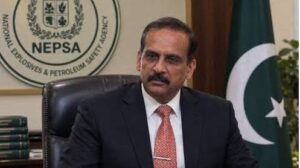
Field Marshal Asim Munir Says Propaganda and Terrorism Cannot Stop Pakistan’s Progress
As a result, the move could enable faster settlements and improve investment access for overseas Pakistanis.
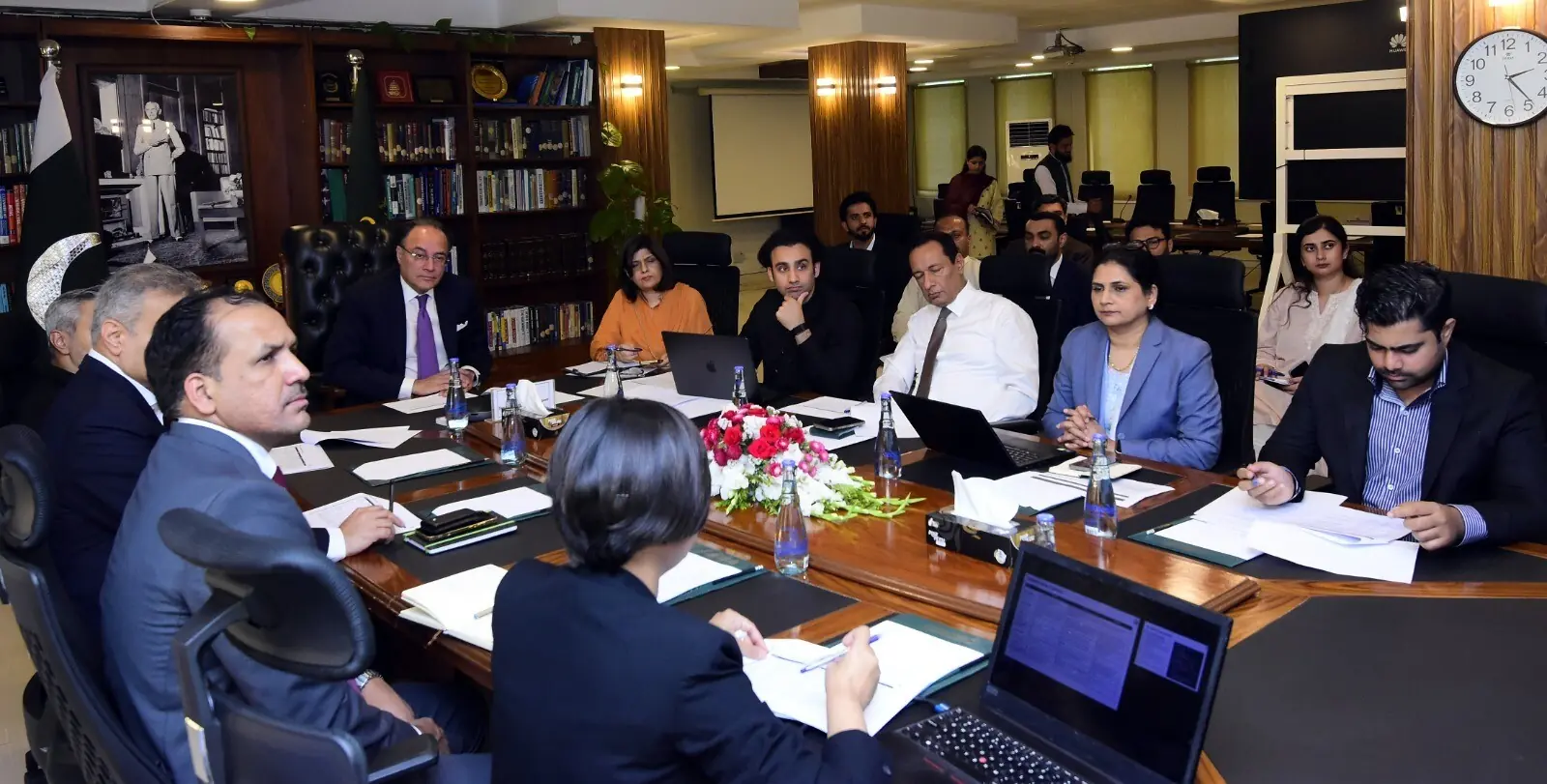
The proposal came under discussion during a high-level meeting chaired by Muhammad Aurangzeb.
Meanwhile, officials from the State Bank of Pakistan (SBP) and the Pakistan Virtual Assets Regulatory Authority (PVARA) also attended the meeting.
Government Reviews Tokenisation of Sovereign Assets
During the meeting, officials discussed the tokenisation of sovereign debt instruments and Naya Pakistan Certificates.
In addition, they reviewed regulatory frameworks, governance models, and possible implementation strategies.
The proposed model would allow sovereign bonds to be issued directly on a regulated blockchain platform through Digitally Native Notes.
Consequently, investors could benefit from same-day settlements through the new structure.
At the same time, the system would remain connected to conventional international clearing systems already used in Pakistan’s Eurobond programme.
Focus on Overseas Pakistanis and Retail Investors
Officials also discussed plans to tokenise NPCs to improve accessibility for overseas Pakistanis.
Furthermore, the proposal aims to expand retail investor participation through digital investment channels linked to global markets.
According to government officials, blockchain-based infrastructure could modernize Pakistan’s capital markets and improve investor access.
Notably, the meeting marked one of Pakistan’s first major governmental discussions on sovereign asset tokenisation.
Pakistan Studies Global Blockchain Models
Officials reviewed international examples of blockchain-based sovereign debt systems.
For example, the Asian Infrastructure Investment Bank and financial markets in Hong Kong and the Middle East have already started issuing Digitally Native Notes.
As a result, these systems aim to modernize financial markets and reduce settlement risks.
Roshan Digital Account Attracts Nearly $13 Billion
The meeting also reviewed the progress of the Roshan Digital Account (RDA).
Officials said the initiative has attracted nearly $13 billion in cumulative inflows since 2020.
Moreover, most of the funds have already been invested within Pakistan’s economy.
Officials added that the proposed digital investment framework could expand access for a wider international investor base under regulatory supervision.
Finance Minister Highlights Digital Future
Finance Minister Muhammad Aurangzeb said Pakistan remains committed to exploring advanced financial technologies.
According to him, these technologies can support economic modernization and increase investor participation.
He also described tokenised sovereign instruments as an important step toward the future evolution of Pakistan’s capital markets.
Meanwhile, the Ministry of Finance stated that future financial systems will rely on programmable infrastructure, real-time settlements, and digital networks.
Therefore, officials believe Pakistan has the opportunity to become part of the next generation of global financial infrastructure through blockchain integration and sovereign asset tokenisation.
Further technical discussions and regulatory coordination will continue before formal approvals.