Iran–US Tensions Escalate as Shipping Attacks Rise Ahead of Midterm Elections
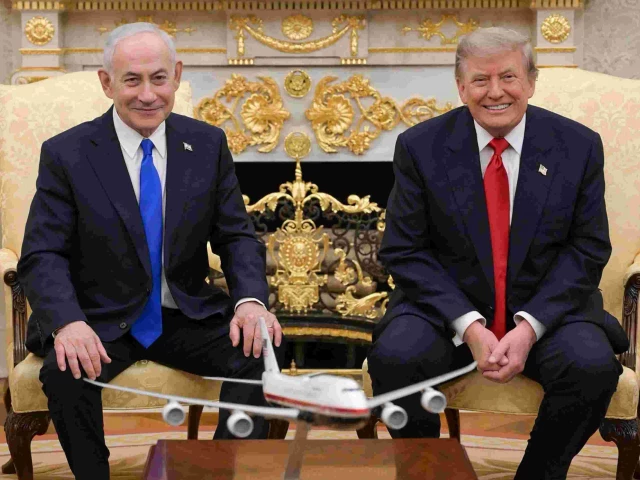
Rising tensions involving Iran, the United States and Israel raise concerns over commercial shipping through the Strait of Hormuz.
Tensions between the United States, Israel and Iran are intensifying amid reports of discussions about possible renewed military action and an increase in attacks and threats involving commercial shipping in the Strait of Hormuz.
According to a report by Axios, US President Donald Trump and Israeli Prime Minister Benjamin Netanyahu discussed the possibility of a major new operation against Iran ahead of elections in both countries. The report cited two US officials and other sources familiar with the discussions.
However, a White House official rejected the claim that the leaders had discussed resuming the war. The official said Trump had ruled out attacks on Iran before the US midterm elections in November.
Sources cited by Axios said both militaries remained on alert and continued preparations in case Washington changed its position. One US official described Trump’s stance as undecided, saying he had told Netanyahu to prepare without committing to renewed strikes.
Iran’s Nuclear Programme Raises Fresh Concerns
Netanyahu presented Israeli intelligence suggesting that Iran was seeking to rebuild its nuclear programme. The report said the intelligence included concerns that Iran might be operating the Pickaxe Mountain site for uranium enrichment.
Fire Reported at Saudi Aramco Complex in Dhahran After Missile Strike
The report also said US Defence Secretary Pete Hegseth and senior US Central Command leadership favoured renewed strikes, while most advisers supported maintaining sanctions and economic pressure.
Israeli military chief Lieutenant General Eyal Zamir reportedly warned US Joint Chiefs Chairman General Dan Caine that renewed fighting within three weeks could force Israel to postpone its October 27 vote because of the risk of Iranian missile retaliation.
Meanwhile, Qatari mediators were awaiting Iran’s response to the latest US counterproposal, according to the report.
Iran Reportedly Changes Tactics Against Shipping
cited two senior Iranian officials as saying Tehran had adopted new tactics to target vessels passing through the Strait of Hormuz.
The officials said Iran had increased the pace and changed the methods of attacks against ships it considered to be violating its restrictions. They also said the strategy aimed to keep oil prices elevated and influence the political environment ahead of the US midterm elections.
One official said the objective was to frustrate efforts by Washington and its allies to lower global oil prices. The officials did not disclose full details of the reported strategy.
The Strait of Hormuz is a critical international shipping route. Before the conflict, it carried roughly one-fifth of global oil and liquefied natural gas trade. Disruption to traffic through the waterway has therefore heightened concerns about energy supplies, shipping costs and international markets.
US Military Reports Use of Small Boats for Surveillance
A US military official told Reuters that Iran’s Islamic Revolutionary Guard Corps had begun using unarmed spotters in small boats to identify potential targets, including US naval vessels, following damage to Iran’s radar capabilities.
The official described an incident in which US forces encountered a dhow allegedly being used by Iranian spotters to relay information to the IRGC. According to the official, US forces instructed the occupants to abandon the vessel before destroying it. No casualties were reported.
The account has not been independently established in the supplied reporting. The Pentagon and Iran’s Foreign Ministry had not immediately responded to requests for comment.
Iran has also reportedly considered extending its operations beyond the Strait of Hormuz to the Gulf of Oman and other nearby waters. Maritime security sources cited in the Reuters report said recent incidents suggested that the geographical scope of attacks could already be expanding.
Commercial Shipping Faces Growing Risks
Maritime security reporting indicates that attacks and incidents involving commercial vessels have increased in recent days. The supplied report cites at least five incidents involving tankers and other ships around the Hormuz area over a 48-hour period, including drone strikes.
The United Kingdom Maritime Trade Operations agency has received reports of incidents affecting commercial shipping. The International Maritime Organization’s data, as cited in the report, also indicated a renewed rise in attacks.
The US Navy-led Joint Maritime Information Centre described the threat to merchant shipping in the Strait of Hormuz as “severe” in its latest assessment cited by Reuters. Reported risks included drone activity, targeted surveillance and attempts to communicate with commercial vessels by radio.
Iranian officials also warned that ships violating Tehran’s restrictions might not be safe even beyond the strait. One official said Iran was moving towards a complete closure for vessels it considered in violation of those restrictions.
Trump Signals Further Action Against Iran
Trump renewed his warnings against Iran during a campaign rally in Wasilla, Alaska, where he was supporting Republican candidates ahead of the November 3 midterm elections.
“Wait till you see what we do to Iran,” Trump told supporters, according to the report. He also reiterated that preventing Iran from obtaining a nuclear weapon remained a central objective.
His remarks came as Washington continued to apply economic pressure on Tehran through sanctions and a naval blockade of Iranian ports, while diplomatic efforts to reach an agreement remained unresolved.
The conflict has become an issue in the US election campaign, with military spending, energy prices and the risks of further escalation drawing attention. The war’s financial cost and the disruption to shipping have added pressure to efforts to restore stability.
Global Energy Markets Remain Exposed
The confrontation around the Strait of Hormuz continues to threaten international energy markets. Attacks, higher insurance premiums and uncertainty over safe passage have complicated efforts to restore normal commercial shipping.
Any further escalation could increase oil-price volatility and disrupt supplies to energy-importing countries. For now, the extent of Iran’s reported change in tactics and the prospects of renewed US-Israeli strikes remain uncertain, while diplomatic efforts continue.
The situation will depend on developments in negotiations, military decisions and the security of commercial shipping routes across the Gulf and surrounding waters.